





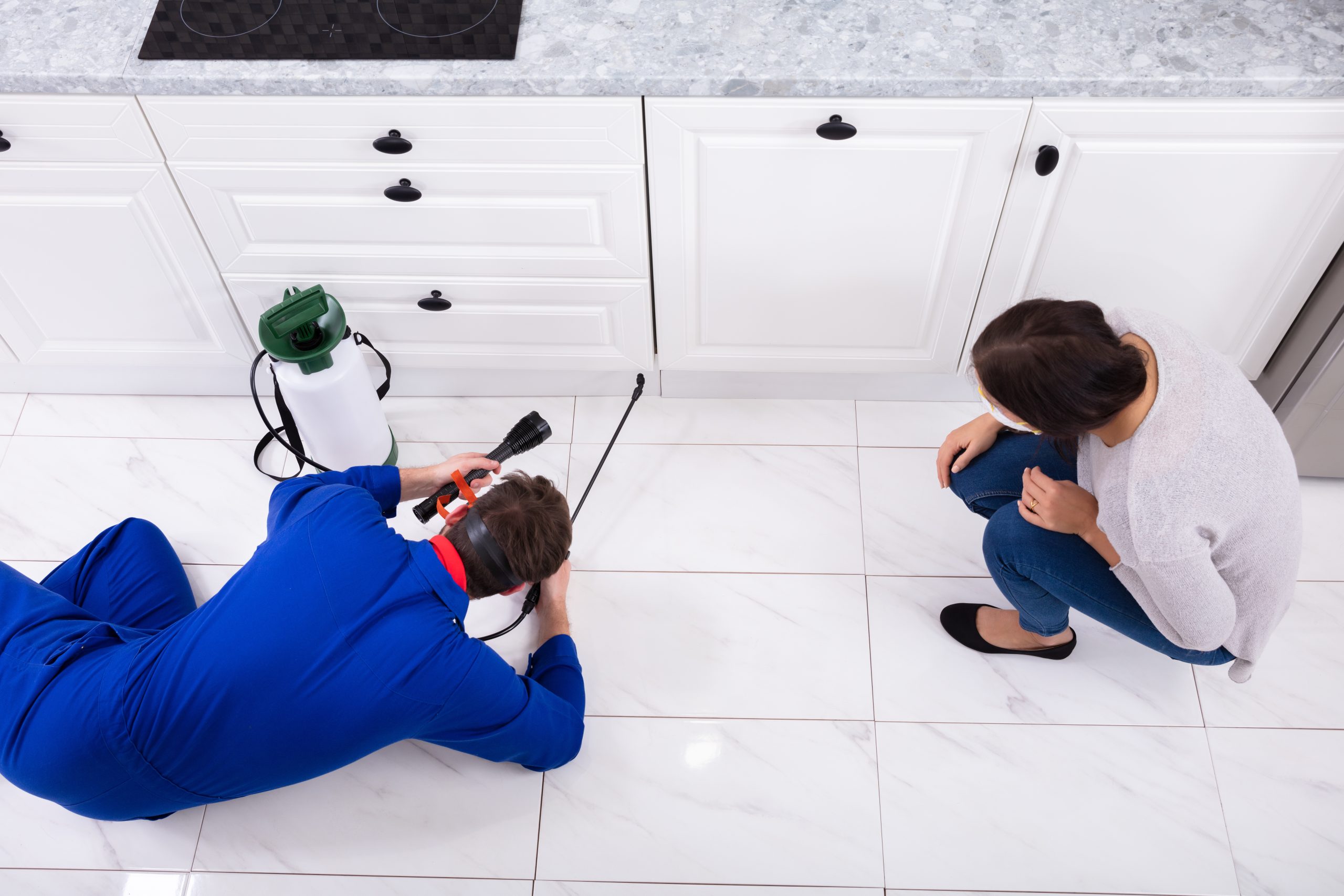
The way a property is landscaped can affect more than curb appeal. In Buckeye, AZ, outdoor features such as plants, irrigation systems, mulch, and yard maintenance routines can influence where pests find food, water, and shelter. Understanding the relationship between landscaping and pest activity can help homeowners make informed decisions about maintaining their properties.
Arizona’s warm climate allows many pests to remain active throughout much of the year. While landscaping does not automatically create pest problems, certain conditions can make yards more attractive to insects and other unwanted visitors. A thoughtful approach to outdoor maintenance can help reduce opportunities for pests to settle near homes.
How Landscaping Creates Pest-Friendly Conditions
Plants, soil, and outdoor structures naturally create habitats for many types of insects. Shrubs placed close to exterior walls, dense ground cover, and overgrown vegetation can provide hiding areas where pests may remain unnoticed.
Moisture is another important factor. Although Arizona is known for dry conditions, irrigation systems and watering schedules can create small areas of consistent moisture. These damp areas may attract pests looking for water sources, especially during warmer months when natural moisture is limited.
Common landscaping features that may influence pest activity include:
- Dense vegetation near the foundation
- Excess plant debris or fallen leaves
- Standing water from irrigation issues
- Overwatered areas of the yard
- Wood piles or organic materials stored outdoors
Keeping these areas maintained does not guarantee that pests will never appear, but it can make the property less inviting for certain species.
The Connection Between Irrigation and Pest Activity
Water management plays an important role in Arizona landscaping. Many homeowners use irrigation systems to maintain lawns, trees, and decorative plants, but leaks, broken sprinkler heads, or excessive watering can create conditions where pests are more likely to gather.
Areas with constant moisture can attract insects that rely on water sources to survive. In addition, moisture near the foundation may create conditions that allow pests to move closer to entry points around the home.
Regularly checking irrigation systems can help homeowners identify potential concerns, including:
- Sprinklers spraying directly onto exterior walls
- Leaking outdoor faucets
- Poor drainage around landscaping areas
- Water collecting near patios or walkways
A balanced watering routine helps maintain healthy landscaping while reducing unnecessary moisture around the property.
Plant Placement and Exterior Pest Prevention
Where plants are placed around a home can also influence pest activity. Shrubs, trees, and decorative plants that touch the exterior structure may create pathways for pests to reach entry points such as cracks, vents, or gaps around windows and doors.
Maintaining space between vegetation and the home’s exterior can make it easier to monitor potential pest activity. It also improves visibility around the foundation, making it easier to notice changes before they become larger concerns.
Homeowners may also consider:
- Trimming branches away from roofs and walls
- Removing dead plant material regularly
- Keeping mulch away from direct contact with the foundation
- Inspecting outdoor storage areas periodically
These simple landscaping habits support broader pest prevention efforts.
How Professional Pest Management Supports Landscaping Efforts
Landscaping improvements are one part of maintaining a pest-resistant property, but they work best alongside consistent monitoring and proper treatment approaches. Even well-maintained yards can experience pest activity due to weather conditions, nearby properties, or natural changes in the environment.
Professional Pest Control Services can help identify areas where pests may be entering or gathering around a home. A thorough inspection can reveal patterns that may not be obvious during everyday yard maintenance.
Companies like Grizzly Pest Control help homeowners address these concerns through customized approaches based on the property’s conditions. Their services focus on identifying pest issues and creating appropriate plans, including targeted Pest Treatment options when needed.
Choosing Landscaping Practices That Support Long-Term Prevention
A well-maintained landscape should balance appearance, plant health, and practical pest prevention. Homeowners do not need to remove plants or completely redesign outdoor spaces to reduce pest risks. Small adjustments can make a difference over time.
Some helpful practices include:
- Keeping grass and plants properly trimmed
- Removing standing water when possible
- Cleaning outdoor areas regularly
- Checking shaded areas where pests may hide
- Maintaining healthy soil and drainage conditions
These steps can reduce the number of areas where pests find shelter and resources.
Understanding the Role of Local Conditions in Buckeye
Every region has different environmental factors that influence pest behavior. In Buckeye, desert surroundings, seasonal temperature changes, and residential landscaping choices all contribute to how pests interact with homes.
Because many neighborhoods feature a mix of native plants, decorative landscaping, and irrigation systems, homeowners benefit from understanding how outdoor spaces affect pest activity. Small changes in maintenance routines can support a cleaner, more comfortable property environment.
By recognizing how landscaping choices connect with pest behavior, homeowners can take a more proactive approach to protecting their homes. Combining smart outdoor maintenance with reliable Pest Management Services and appropriate Pest Control Solutions can help address common challenges associated with Arizona living.
 SOLED ADEPPS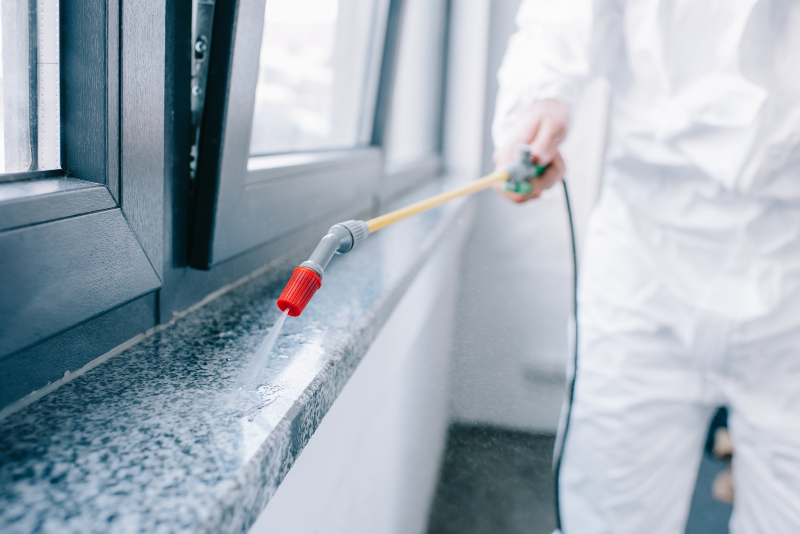
 Alexander Martin