Arizona is known for its sunshine, dry climate, and extended periods of high temperatures. While many residents appreciate the weather, vehicles often face unique challenges because of the state’s harsh environmental conditions. In cities like Surprise, AZ, where summer temperatures frequently exceed 100 degrees, heat can influence vehicle performance long before a warning light appears.
Many drivers associate vehicle stress with long road trips or heavy mileage, but heat exposure alone can affect numerous automotive systems. From batteries and tires to fluids and cooling systems, Arizona’s climate creates conditions that accelerate wear throughout the year. Understanding how heat impacts vehicle components can help drivers make informed decisions regarding maintenance and automotive repair.
Arizona Heat Is More Than a Summer Problem
While summer receives the most attention, vehicle components in Arizona experience heat-related stress throughout much of the year.
Even during spring and fall, pavement temperatures can significantly exceed air temperatures. Asphalt surfaces often reach temperatures well above 140 degrees during sunny afternoons.
These conditions affect:
- Rubber components
- Vehicle fluids
- Electrical systems
- Cooling systems
- Tires
- Air conditioning components
Because heat exposure is ongoing, wear accumulates gradually rather than occurring during a single season.
This makes year-round maintenance an important consideration for vehicle owners in Surprise and surrounding communities.
Battery Life Often Suffers in Hot Climates
Many people assume cold weather is the biggest threat to automotive batteries. However, excessive heat can be equally damaging.
High temperatures accelerate chemical reactions inside batteries, which may initially improve performance. Over time, however, this process can shorten battery lifespan.
Heat can contribute to:
- Internal corrosion
- Fluid evaporation
- Reduced battery capacity
- Difficulty holding a charge
In Arizona, batteries often require replacement more frequently than in cooler regions.
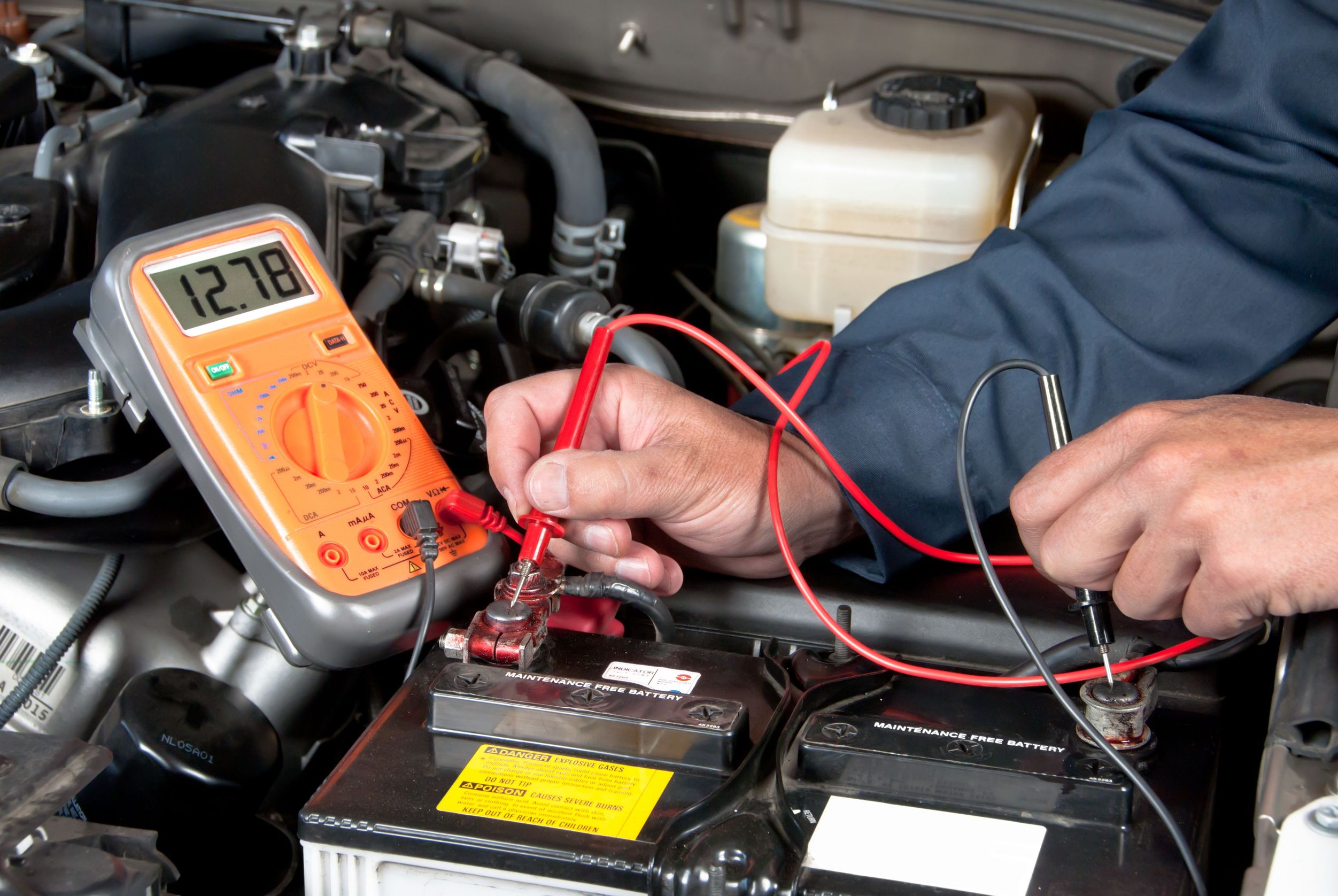
Routine inspections can help identify signs of battery deterioration before unexpected starting problems occur.
Tires Endure Constant Heat Exposure
Tires are one of the most heat-sensitive components on any vehicle.
As temperatures rise, air pressure inside tires naturally increases. Combined with hot road surfaces, this places additional stress on tire structures.
Potential concerns include:
- Accelerated tread wear
- Uneven tire wear
- Reduced traction
- Sidewall deterioration
- Increased risk of blowouts
Drivers who regularly travel highways throughout the Surprise area may experience even greater tire stress due to prolonged exposure to high pavement temperatures.
Proper tire inspections help monitor wear patterns and identify issues before they affect safety or performance.
Engine Cooling Systems Work Harder
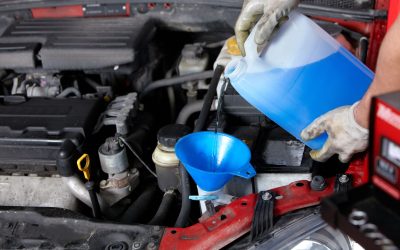
A vehicle’s cooling system is specifically designed to manage heat generated by the engine. In Arizona, cooling systems face the additional challenge of operating in an already hot environment.
Key cooling system components include:
- Radiators
- Water pumps
- Thermostats
- Cooling fans
- Hoses
- Coolant reservoirs
Even minor weaknesses within these components can become more noticeable during periods of extreme heat.
A small coolant leak or partially restricted radiator may not cause problems during mild weather but can contribute to overheating during Arizona summers.
Regular inspections help ensure cooling systems remain capable of handling demanding conditions.
Vehicle Fluids Break Down Faster
Automotive fluids play a critical role in lubrication, cooling, cleaning, and hydraulic operation.
Heat can accelerate fluid degradation, reducing effectiveness over time.
Examples include:
Engine Oil
Engine oil lubricates moving components while helping remove excess heat. High temperatures can cause oil to lose viscosity and protective properties more quickly.
Transmission Fluid
Transmission systems generate significant heat during normal operation. Arizona temperatures can further increase thermal stress, potentially affecting fluid performance.
Brake Fluid
Brake fluid absorbs moisture over time. Elevated temperatures may contribute to fluid degradation and reduced braking efficiency.
Power Steering Fluid
Heat exposure can gradually affect fluid quality and steering system performance.
Routine fluid inspections remain an important part of long-term vehicle care.
Air Conditioning Systems Face Increased Demand
In Arizona, air conditioning systems are not simply a comfort feature—they are used regularly for much of the year.
Continuous operation places stress on components such as:
- Compressors
- Condensers
- Hoses
- Refrigerant lines
- Electrical controls
Over time, heat exposure combined with frequent use can contribute to component wear.
Drivers may notice signs such as:
- Reduced cooling performance
- Longer cooling times
- Unusual noises
- Inconsistent cabin temperatures
Because air conditioning systems work so frequently in Arizona, routine evaluations can help identify developing issues before complete system failure occurs.
Rubber Components Age More Quickly
Many vehicle systems rely on rubber parts that are vulnerable to heat-related deterioration.
Examples include:
- Drive belts
- Coolant hoses
- Weather seals
- Suspension bushings
- Engine mounts
Extended exposure to high temperatures can lead to:
- Cracking
- Hardening
- Drying
- Loss of flexibility
As rubber components age, they become more susceptible to leaks, vibration concerns, and mechanical failures.
Visual inspections can often identify early signs of deterioration before performance problems arise.
Electrical Systems Are Not Immune to Heat
Modern vehicles rely heavily on electronics to manage performance, safety, and convenience features.
Heat can affect:
- Sensors
- Wiring
- Connectors
- Control modules
- Charging systems
Electrical issues may develop gradually, producing intermittent symptoms that are difficult to diagnose without professional evaluation.
Because today’s vehicles contain dozens of interconnected electronic systems, heat-related electrical concerns can influence multiple vehicle functions simultaneously.
Heat Can Increase Overall Maintenance Needs
The combination of high temperatures, strong sunlight, and hot road surfaces means Arizona vehicles often experience accelerated wear compared to vehicles operating in milder climates.
This does not necessarily mean vehicles become unreliable. However, it does highlight the importance of consistent maintenance schedules and routine inspections.
Drivers seeking information about maintaining vehicle reliability in demanding conditions often review resources related to professional auto repair and goodyear auto service recommendations to better understand how environmental factors affect long-term vehicle health.
Protecting Vehicles from Arizona’s Unique Conditions
Arizona’s climate creates year-round challenges for nearly every major vehicle system. Batteries, tires, cooling systems, fluids, air conditioning components, rubber parts, and electronics all experience additional stress due to prolonged heat exposure.
For drivers in Surprise, AZ, understanding these environmental effects can help support better maintenance decisions and improve long-term reliability. Regular inspections and timely automotive repair services allow vehicle owners to identify heat-related wear early, helping critical systems continue performing safely and efficiently throughout every season of the year.