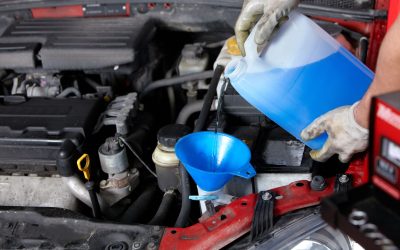
Diesel engines are known for their reliability and power, but like all machines, they require regular maintenance to keep running smoothly. One essential part of maintaining a diesel engine is using diesel fuel additives. These additives play a critical role in protecting the engine by preventing harmful deposits that can reduce performance and lead to costly repairs. In this blog, we’ll explore how diesel fuel additives help prevent engine deposits and why they are essential for diesel engine longevity, especially in Surprise, AZ.
What Are Diesel Fuel Additives?
Diesel fuel additives are specially formulated chemicals designed to enhance the performance of diesel fuel. These additives are mixed with the fuel to address various challenges faced by diesel engines, such as poor fuel quality, engine wear, and carbon buildup. Diesel fuel additives work by improving fuel combustion, lubricating engine parts, and cleaning the fuel system. Some additives are designed to address specific issues, such as preventing corrosion, improving fuel flow in cold weather, or reducing soot production.
For engine owners in Surprise, AZ, using high-quality diesel fuel additives can help extend the lifespan of their vehicle and improve fuel efficiency. By adding these chemicals to the fuel, diesel engines can run smoother, with less buildup of harmful deposits that can clog injectors, pistons, and valves.
How Diesel Fuel Additives Prevent Engine Deposits
Engine deposits are a common problem for diesel engines, especially over time and with extended use. These deposits form due to incomplete fuel combustion or the buildup of carbon particles, soot, and other contaminants in the engine. Diesel fuel additives prevent these deposits by improving combustion efficiency and cleaning the fuel system.
Cleaning Injectors and Preventing Clogging
One of the most common areas where engine deposits occur is the fuel injectors. These small but vital components are responsible for spraying fuel into the engine’s combustion chamber. Over time, impurities in the fuel can cause the injectors to clog, leading to poor engine performance, misfires, and increased fuel consumption. Diesel fuel additives help by cleaning the injectors, ensuring the proper spray pattern and fuel atomization for optimal combustion.
With the use of fuel additives, diesel engine owners in Surprise, AZ, can maintain the efficiency of their injectors, preventing the formation of harmful carbon deposits that could impair their function.
Reducing Carbon Build-Up on Pistons and Valves
Carbon build-up on pistons and valves can be another significant issue for diesel engines. This accumulation of soot and debris can affect the engine’s performance, leading to reduced power and efficiency. Diesel fuel additives help by improving combustion efficiency, which reduces the amount of carbon left behind in the engine.
Regular use of fuel additives can also help break down existing carbon deposits, preventing them from accumulating over time. This leads to cleaner, smoother engine operation, which can result in fewer breakdowns and longer intervals between major repairs.
Improving Fuel Combustion and Reducing Soot Production
Another way diesel fuel additives prevent engine deposits is by improving the combustion process. Diesel fuel can sometimes burn inefficiently, resulting in the production of soot and other residues. These residues can build up in the engine, causing deposits that obstruct various engine components.
Fuel additives improve the combustion process by ensuring that the fuel burns more completely, leading to fewer particles and less soot production. As a result, the engine stays cleaner and runs more efficiently.
The Benefits of Regular Diesel Maintenance and Fuel Additives
While diesel fuel additives are important for preventing engine deposits, they should be used as part of a broader maintenance routine to keep the engine in top condition. Regular diesel engine repair and maintenance are essential for preventing more serious issues, including severe carbon build-up, poor fuel economy, and engine failure.
Some of the key benefits of regular diesel maintenance, including the use of fuel additives, include:
- Improved Engine Efficiency: Using diesel fuel additives helps improve fuel combustion, which can enhance engine performance and fuel efficiency.
- Reduced Risk of Costly Repairs: Preventing engine deposits and maintaining engine health with additives can reduce the likelihood of needing expensive repairs down the road.
- Increased Engine Longevity: Regular maintenance and the use of fuel additives help extend the life of the engine, reducing the need for early replacement.
- Better Fuel Economy: By ensuring more efficient combustion, diesel fuel additives can improve fuel economy, helping owners save money on fuel costs.
In Surprise, AZ, where temperature fluctuations can impact engine performance, diesel fuel additives can be especially beneficial during colder months by preventing gelling and improving fuel flow.
Conclusion
Diesel fuel additives are an essential tool in maintaining a healthy diesel engine. They help prevent harmful engine deposits by improving fuel combustion, cleaning the fuel system, and reducing carbon buildup on vital engine components. By incorporating diesel fuel additives into regular maintenance routines, diesel engine owners in Surprise, AZ, can improve their engine’s performance and efficiency while extending its lifespan.
For those seeking reliable and professional maintenance services, it’s important to work with a credible auto repair shop in Surprise, AZ. A skilled team of mechanics can recommend the right fuel additives and perform regular diesel engine repair to ensure that the engine stays in top condition for years to come.
For more information on diesel engine maintenance or to schedule an appointment for expert repair services, contact a trusted auto repair professional in Surprise, AZ.