




Snapshot:
- Aquatic herbicides target invasive floating, emergent, and submersed weeds while leaving fish, native plants, and water use largely unaffected when applied per label.
- Products are classified by mode of action (contact vs. systemic) and must carry EPA aquatic-use registration before any lake, pond, or canal application.
- Treatment timing, water depth, and plant identification determine which formulation restores balance without unnecessary ecological disruption.
Overgrown ponds, lakes, and irrigation canals lose oxygen, clog waterflow, and crowd out native species when invasive plants take hold. Aquatic Herbicides by ProSolutions are EPA-registered chemical treatments formulated specifically for water environments, designed to manage target vegetation while helping limit harm to fish, desirable plants, and recreational water use.
Selecting the correct product depends on the weed species present, water depth, and how the pond or lake is used. Contact herbicides work fast on exposed foliage, while systemic formulations travel through the plant to the root system for longer-term control. Matching the chemistry to the infestation is the first step toward restoring a functional waterway.
Why Waterways Become Overgrown
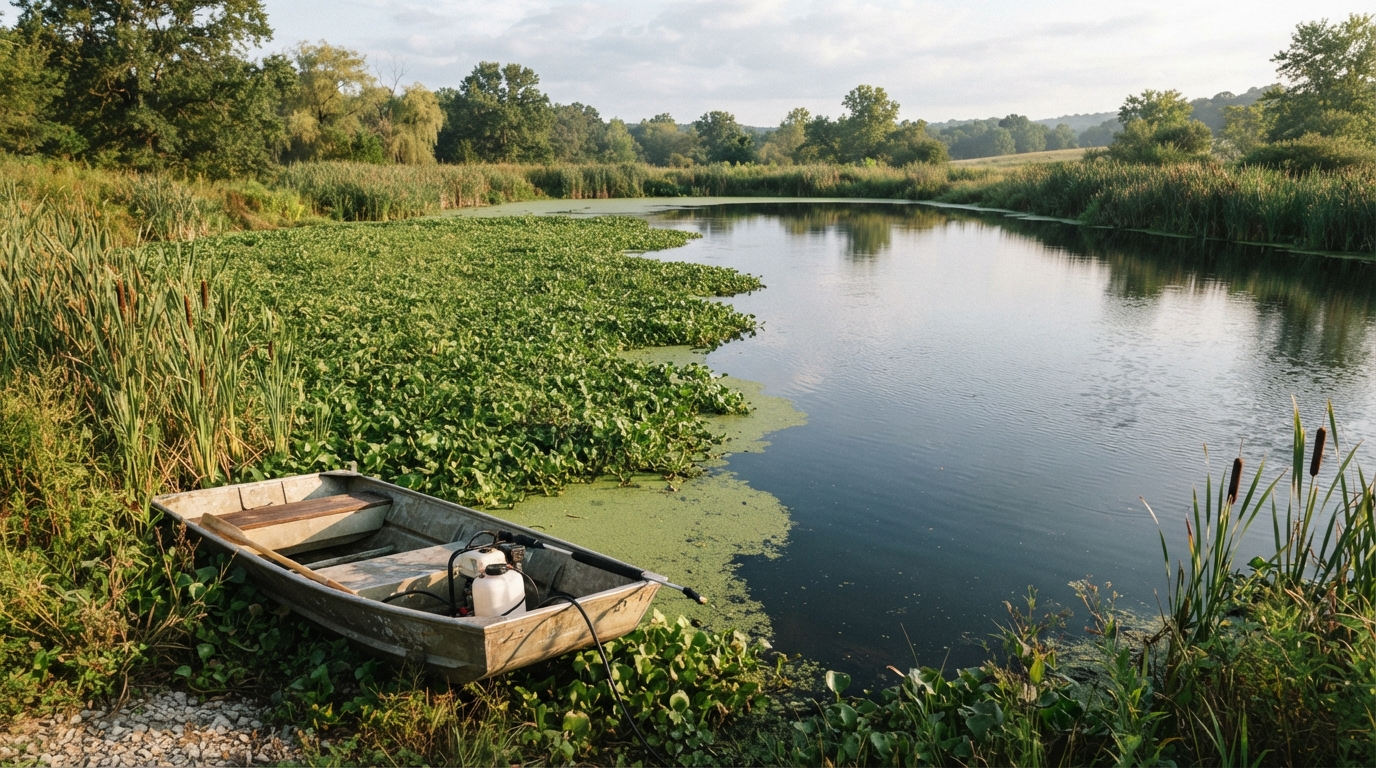
Nutrient runoff, stagnant flow, and introduced species allow invasive aquatic plants to spread faster than native vegetation can compete.
- Excess nitrogen and phosphorus from fertilizer runoff feed rapid plant and algae growth.
- Floating species like water hyacinth and duckweed can double in coverage within days under favorable conditions.
- Dense mats block sunlight penetration, reducing oxygen levels for fish and other aquatic life.
Left unmanaged, these conditions compound over a single growing season, turning a manageable pond into a waterway with limited recreational or ecological value.
How Aquatic Herbicides Restore Function
Herbicides labeled for aquatic use are registered through a federal process that evaluates toxicity, breakdown rate, and drift before any product reaches the market. According to Purdue Extension, herbicides discussed for pond and lake use are registered with the Environmental Protection Agency and are specifically labeled for aquatic use, and the labels carry legal weight for every application.
Several active ingredients common to aquatic treatment programs illustrate how this works in practice:
|
Herbicide Type |
Mode of Action |
Common Target Weeds |
Typical Setting |
|
Contact herbicide |
Fast-acting on exposed tissue |
Duckweed, salvinia, watermeal |
Ponds, small lakes |
|
Systemic herbicide |
Absorbed and moved to roots |
Water hyacinth, cattails, milfoil |
Lakes, wetlands, canals |
|
Selective formulation |
Targets specific species, spares others |
Invasive floating/emergent weeds |
Recreational and fishing waters |
A contact product such as Stingray Aquatic Herbicide is a contact herbicide that provides fast-acting control of susceptible floating, emerged and submersed weed species, and it eliminates water hyacinth, duckweed, salvinia and more in ponds, lakes and wetlands. A systemic alternative like Clearcast is described as an effective and selective treatment solution for the control of floating, emergent, and submersed aquatic weed species, and it is the industry standard for cattail control.
Matching Treatment to the Right Conditions
No single product fits every waterway, which is why identification and timing matter as much as the herbicide itself.
1. Identify the weed species before selecting a product, since many formulations are species-specific.
2. Check water use restrictions on the label, including irrigation and swimming limitations after treatment.
3. Apply during active growth periods , typically spring through fall, for the most reliable uptake.
4. Confirm state or local permitting requirements, since some products require licensed or certified applicators.
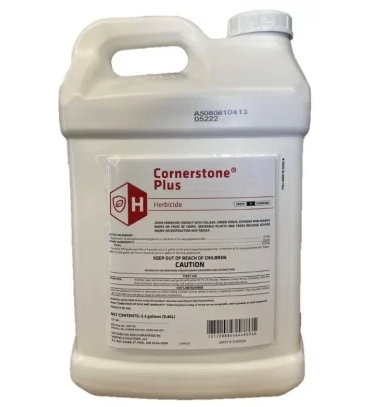
Selectivity is a key differentiator among modern formulations. Clearcast, for example, is ideal for aquatic areas used for fishing and other recreational activities, while minimal irrigation restrictions allow it to be applied in a large variety of aquatic environments, including ponds and irrigation canals and ditches. It is also classified as practically nontoxic to birds, fish, algae and aquatic invertebrates, which supports continued recreational use of treated water once label-specified intervals pass.
Products available through retailers across the USA fall into several categories beyond herbicides alone, including algaecides and lake and pond colorants, which address algae blooms and water clarity rather than rooted or floating weeds specifically. Understanding which category applies to a given problem prevents wasted applications and unnecessary chemical use.
Business Info
Product listings and label details for aquatic weed control formulations are maintained by ProSolutions on Google Maps, reflecting the supplier’s catalog of EPA-registered treatments for ponds, lakes, and irrigation systems.
Frequently Asked Questions
Do aquatic herbicides harm fish or wildlife? Formulations registered for aquatic use undergo EPA review for toxicity to fish and aquatic invertebrates, and many selective products are classified as low-risk when label directions are followed, such as application rate and water-use restrictions.
How long after treatment can a pond be used again? Restrictions vary by product and are listed directly on the EPA-approved label, covering factors such as irrigation, swimming, and fishing intervals.
Can one product control every type of aquatic weed? No single herbicide controls every species; contact herbicides suit fast-growing floating weeds while systemic products are better suited to rooted or emergent vegetation like cattails and milfoil.
Is a permit required to treat a lake or pond? Some products require state or local authorization, and certain restricted-use formulations may only be applied by licensed or certified aquatic pest control applicators.
A Note on Ongoing Waterway Management
Overgrown waterways rarely stay solved after a single treatment, since seed banks and regrowth can reintroduce invasive species within a season. Routine monitoring, combined with correctly timed applications, keeps ponds and lakes functional for recreation, irrigation, and wildlife habitat over multiple years.
For aquatic weed management, ProSolutions offers a selection of herbicides formulated for approved water environments, including ponds, lakes, and irrigation systems. Visit ProSolutions on Google Maps to view business information, contact details, and directions.

 SOLED ADEPPS
 Alexander Martin