


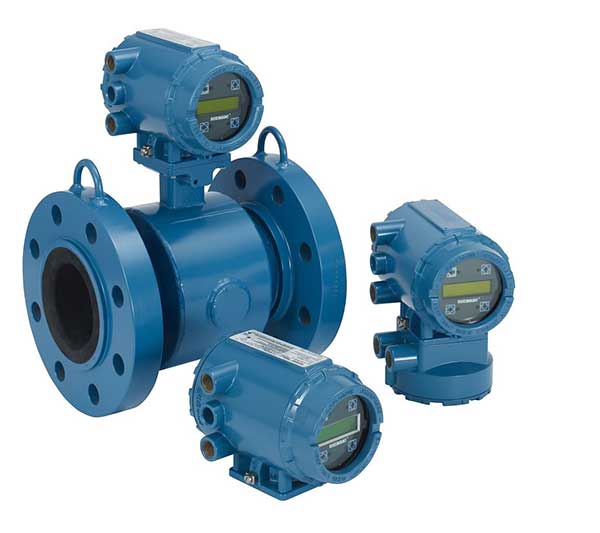
In industrial environments across the United States, the need for precise monitoring and control is critical to ensuring both operational safety and consistent reliability. Whether in oil refineries, chemical manufacturing facilities, or power generation plants, maintaining optimal pressure within process systems is a fundamental requirement. For those searching for a dependable solution, the Rosemount Pressure Transmitter stands out as a premier choice for pressure measurement, offering advanced features that directly enhance plant safety and operational performance.
Enhancing Safety in Industrial Operations
Industrial plants are often exposed to high pressures and hazardous materials, making accurate pressure measurement a vital safety component. A pressure transmitter plays a pivotal role in detecting abnormal conditions such as leaks, blockages, or system overpressures that could result in catastrophic failures.
- Early Detection of Unsafe Conditions: By continuously monitoring pressure levels, the transmitter can provide early warnings of potential problems, allowing operators to take corrective action before an incident escalates.
- Automated Shutdown Capabilities: When integrated with plant control systems, the device can trigger automatic shutdowns if dangerous pressure thresholds are exceeded, minimizing the risk to personnel and equipment.
- Compliance with Regulations: US industrial plants must adhere to stringent safety standards. Reliable pressure transmitters help facilities meet these requirements by ensuring accurate data collection and reporting for audits and inspections.
Improving System Reliability
Reliability is the backbone of any successful industrial operation. Downtime caused by equipment failure or inaccurate readings can lead to significant financial losses and operational setbacks.
- Consistent Performance: The transmitter is designed to deliver stable and precise measurements over long periods, reducing the likelihood of false alarms or missed warnings.
- Robust Construction: Built to withstand harsh industrial conditions, including extreme temperatures, vibration, and corrosive environments, the transmitter maintains its performance even in the most challenging settings.
- Diagnostic Capabilities: Advanced self-diagnostic features enable predictive maintenance, allowing plant personnel to identify and address issues before they result in costly outages. This proactive approach extends the lifespan of equipment and optimizes maintenance schedules.
Key Features That Make a Difference
Several features contribute to the effectiveness of pressure transmitters in enhancing safety and reliability:
- High Accuracy: Modern transmitters offer exceptional measurement accuracy, ensuring process variables are monitored within tight tolerances.
- Digital Communication: Integration with digital plant control systems enables real-time data sharing and remote diagnostics.
- Easy Installation and Calibration: User-friendly interfaces and streamlined setup processes reduce installation time and minimize the risk of human error during calibration.
Supporting a Culture of Safety and Efficiency
The adoption of advanced pressure measurement technology is more than just a technical upgrade—it’s a commitment to fostering a safer, more reliable industrial environment. By providing accurate, real-time data and integrating seamlessly with existing control systems, these devices empower operators to make informed decisions that protect both people and assets.
In summary, leveraging a high-quality pressure transmitter can significantly improve safety and reliability in US industrial plants. With features designed for early detection, automated response, and robust operation, this technology addresses the unique challenges faced by American industries. Investing in precision pressure measurement not only meets regulatory demands but also supports a culture of safety, efficiency, and long-term operational excellence.

 SOLED ADEPPS