





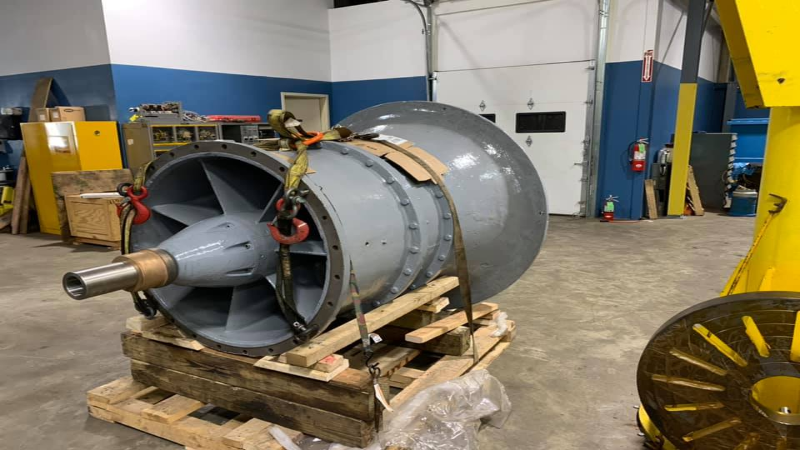
Maintaining a safe and sanitary environment is a top priority for both homeowners and business operators in America’s most densely populated city. With its intricate infrastructure and high water table, New York demands reliable solutions for wastewater management. When searching for effective ways to handle waste disposal and prevent unwanted backups, many turn to Sewage Pumps New York for dependable results. Understanding how these essential systems work provides peace of mind and keeps the city moving without interruption.
The Vital Role of Sewage Pumps in Urban Living
Sewage pumps play a crucial role in directing wastewater away from residential and commercial properties, especially in areas below street level or where gravity drainage is unfeasible. In a city like New York, where basements, sub-basements, and lower-level businesses are common, these pumps help prevent flooding and ensure proper sanitation.
By efficiently transporting wastewater to municipal sewer systems or septic tanks, sewage pumps protect both property and public health. Without them, water from bathrooms, kitchens, and laundry rooms could back up, leading to costly repairs and hazardous conditions. Their presence is particularly important during heavy rains, when city sewers are under stress and the risk of flooding increases.
How Sewage Pumps Work
Sewage pumps are engineered to handle solid waste and liquid simultaneously, unlike standard sump pumps that only manage water. Here’s a simplified breakdown of their operation:
• Collection: Wastewater collects in a basin or pit, typically located in the lowest part of a building.
• Activation: When the water reaches a certain level, a float switch activates the pump.
• Pumping: The pump moves the waste through pipes to the city sewer or a septic tank, often against gravity.
• Shut-off: Once the water drops below a set level, the pump automatically switches off.
This cycle keeps waste moving away from properties, reducing the risk of leaks, odors, and contamination.
Choosing the Right Sewage Pump
Selecting the most suitable sewage pump for a New York property involves several considerations:
• Capacity: Assess the volume of wastewater generated to determine the required pump size.
• Type: Options include submersible pumps (installed underwater in the basin) and pedestal pumps (with the motor above the basin).
• Material: Pumps constructed from corrosion-resistant materials withstand the harsh environment of wastewater handling.
• Power Source: Reliable electrical connections and, in some cases, backup power supplies are essential for uninterrupted operation.
Professional installation and regular maintenance are also critical. Routine inspections help spot wear and tear before problems arise, while timely repairs ensure the pump continues to function efficiently.
The Importance of Preventive Maintenance
Neglecting sewage pump maintenance can lead to failures that disrupt daily life and business operations. Preventive measures include:
• Periodic cleaning of the pump and basin
• Checking for blockages or debris
• Testing the float switch and alarm systems
• Inspecting electrical connections and backup power
Staying proactive minimizes the risk of emergencies and prolongs the lifespan of the equipment.
Keeping New York’s Flow Steady
Reliable sewage pumps form the backbone of effective waste management for homes and businesses throughout New York. By investing in quality systems, ensuring professional installation, and scheduling regular maintenance, residents and business owners can avoid unexpected disruptions and costly damages. Understanding the function and importance of these pumps allows New Yorkers to maintain a clean, healthy, and smoothly operating environment—no matter what the city throws their way.
 Alexander Martin
 SOLED ADEPPS