





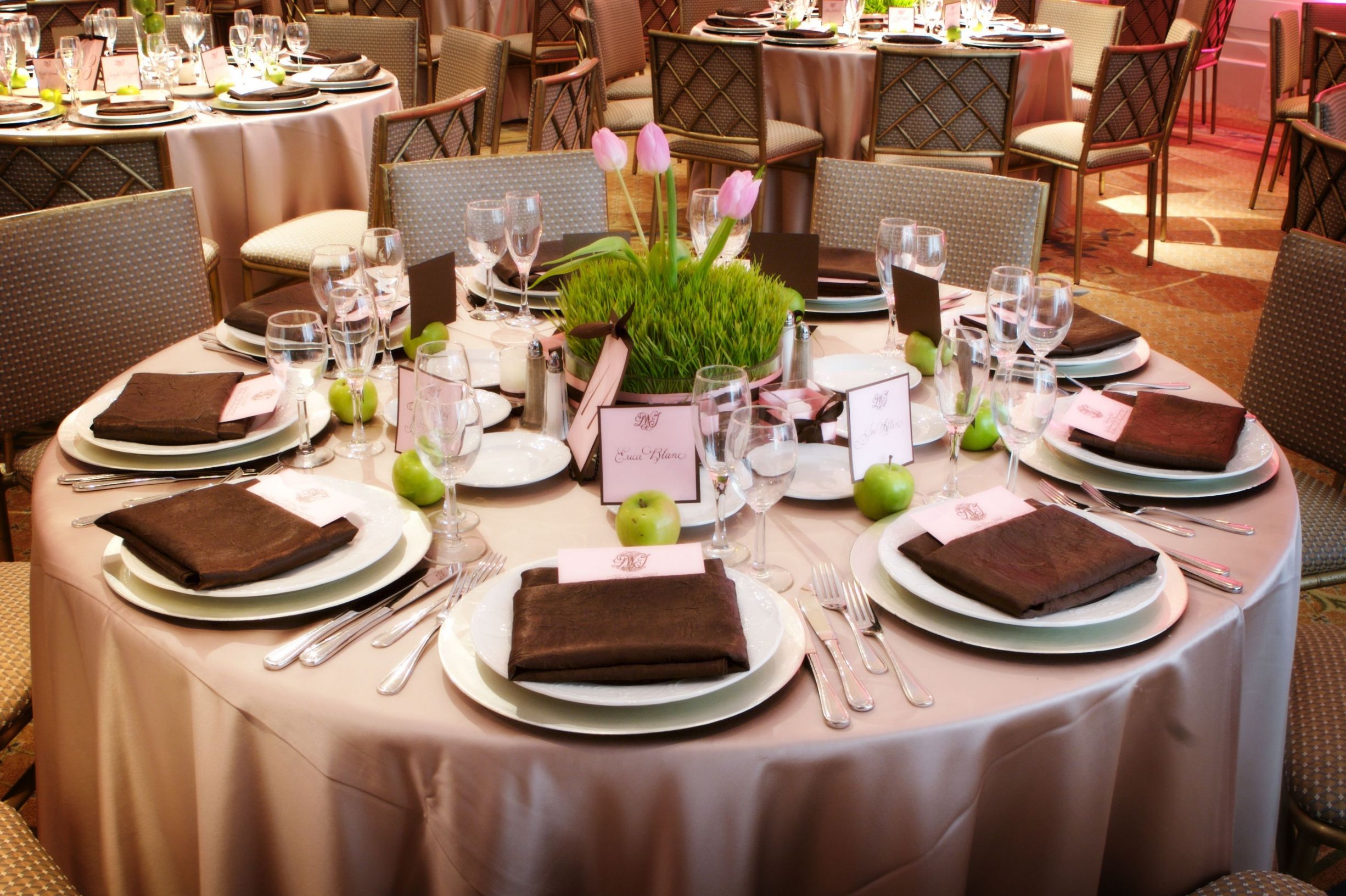
A balanced wedding catering menu combines recognizable crowd-pleasers with enough variety to accommodate different tastes, dietary needs, and appetites. The goal is not to offer the largest possible menu, but to create a clear mix of dishes that feels cohesive and works well for the size and style of the reception.
For couples planning a wedding in Phoenix, AZ, this balance can make the meal easier to serve and more enjoyable for guests.
Why Do Familiar Dishes Matter on a Wedding Menu?
Familiar dishes give guests options they immediately understand and are likely to feel comfortable choosing.
At a wedding, the guest list often includes people of different ages, backgrounds, and food preferences. A menu built entirely around highly specific or unfamiliar dishes can make some guests unsure about what to select.
Including recognizable options helps reduce that problem.
This does not mean the menu needs to feel basic. Familiar dishes can still be paired with different sauces, sides, or complementary selections that add variety.
Wedding catering services often work best when the meal includes a dependable core of widely appealing foods.
How Much Variety Should a Wedding Menu Include?
Enough to create choice, but not so much that the menu becomes difficult to manage.
For many receptions, two or three main options can provide sufficient variety when paired with salads, sides, or other shared dishes.
Too many entrées may create additional serving complexity and increase the chance of ordering more food than necessary.
Couples reviewing Wedding Catering Menus can think about variety in categories rather than individual dishes.
For example, a menu might include:
- One familiar entrée
- One contrasting entrée
- A vegetarian-friendly option
- One or two sides
- A salad or lighter component
This creates meaningful choice without turning dinner into an oversized buffet.
How Can Italian Food Create Menu Variety?
Italian food works well for weddings because it can include several different types of dishes within one overall theme.
Italian wedding catering may feature pasta, pizza, salads, appetizers, and other shared items. These foods can provide different textures and flavors while still feeling connected as one meal.
For example, pasta can serve as a more substantial entrée while pizza can provide a shareable option. Salads and lighter sides can help balance richer dishes.
The benefit is not simply the number of choices. It is the ability to combine foods that complement one another.
Should Couples Prioritize Their Own Favorite Foods?
Yes, but the guest list should still influence the final menu.
The wedding meal should reflect the couple’s preferences, especially if food is an important part of the celebration.
However, a menu made only from highly specific favorites may not work for everyone attending.
A practical approach is to include one or two dishes that feel personal to the couple, then balance them with familiar options.
This allows the meal to feel distinctive without making guests feel limited.
Italian food wedding catering can support this approach because the menu can include both traditional favorites and different flavor combinations.
How Should Dietary Needs Be Included?
Dietary needs should be identified before the menu is finalized.
Couples may need to account for vegetarian guests, allergies, intolerances, or other restrictions.
These needs should be treated separately from ordinary preferences.
Someone who dislikes mushrooms does not have the same requirement as someone with a food allergy.
When speaking with an Italian catering provider, couples should ask about ingredients, preparation methods, and cross-contact concerns when necessary.
It is also helpful to make sure at least one substantial option is available for guests who cannot eat the primary entrée.
Does the Serving Style Affect Menu Variety?
Yes.
A buffet usually allows for more flexibility because guests can choose among several dishes and control their own portions.
Plated service requires more structured planning because each guest typically selects or receives a defined entrée.
Family-style service falls somewhere in between, allowing groups at each table to share several dishes.
The serving style should be decided before the menu becomes too detailed.
A buffet may support more variety, while a plated dinner may work better with fewer, carefully selected choices.
How Can Couples Avoid an Overly Heavy Menu?
Balance rich dishes with lighter components.
If the main selections include cheese, pasta, or hearty sauces, adding salads, vegetables, or lighter sides can make the meal feel more balanced.
Texture also matters.
A menu where every dish is soft, creamy, or rich may feel repetitive. Including crisp, fresh, or lighter elements creates contrast.
Couples should think about how the entire plate works together instead of evaluating each dish separately.
How Should Portions Be Planned?
Portion planning should reflect guest count, serving style, and the number of dishes being offered.
A reception with several appetizers, multiple entrées, sides, and dessert may require smaller portions of each item than a meal with only one main dish.
Guest demographics can also affect quantities.
A reception with many children may have different portion needs than an adults-only dinner.
Wedding catering services can help estimate quantities, but couples should provide an accurate guest count and explain how the meal will be served.
Should Cocktail Hour Food Affect the Dinner Menu?
Absolutely.
If guests will have substantial appetizers before dinner, the main meal may not need to be as large.
On the other hand, if cocktail hour includes only light snacks, dinner should carry more of the meal.
Couples should avoid planning cocktail hour and dinner separately.
They are part of the same overall food experience.
Thinking about both together can help prevent over-ordering while still making sure guests have enough to eat.
What Is the Best Way to Build a Balanced Wedding Menu?
Start with one or two familiar favorites, add a contrasting entrée or alternative, include lighter sides, and make sure dietary needs are covered.
For weddings in Phoenix, AZ, the strongest menus usually provide enough choice without becoming unnecessarily complicated. Italian catering can make this easier by combining several complementary dishes within one cohesive meal.
A thoughtful wedding menu should reflect the couple, accommodate the guest list, and support the flow of the reception without overwhelming either the hosts or the people being served.
 SOLED ADEPPS
 Alexander Martin