


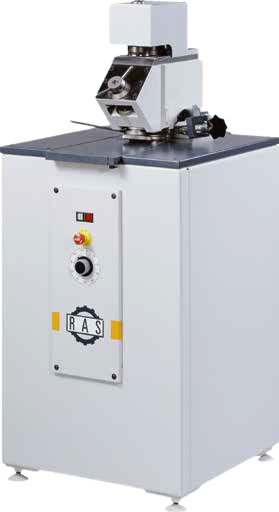
Efficient and precise assembly is critical to the success of any automotive manufacturing project. As the industry continues to evolve, manufacturers are constantly searching for ways to improve quality, reduce waste, and accelerate production timelines. One of the most effective solutions for achieving these objectives involves the use of specialized metal forming equipment. For professionals seeking a reliable method to join, shape, or reinforce metal components, Swaging Machines have become an essential tool in modern automotive assembly lines.
The Role of Swaging in Automotive Assembly
Swaging is a metal forming process that reshapes metal workpieces—typically tubes, rods, or wires—by applying compressive forces through dies or rollers. This technique enables manufacturers to join materials, reduce diameters, form end fittings, or create precise profiles without compromising the structural integrity of the material.
Within the automotive sector, swaging is particularly valuable for:
• Creating Secure Connections: Swaging forms strong mechanical connections between parts, such as joining cables, rods, or tubes, which are critical in steering, braking, and structural components.
• Reducing Material Waste: Unlike cutting or machining, swaging reshapes metal without removing material, resulting in less scrap and lower production costs.
• Enhancing Consistency: The process delivers uniform results, ensuring every part meets stringent automotive standards.
• Improving Efficiency: Automated or semi-automated swaging machines can handle high volumes quickly, supporting just-in-time manufacturing and reducing bottlenecks.
Advantages of Using Swaging Machines in Automotive Projects
Implementing swaging technology in automotive assembly lines offers several tangible benefits:
1. Precision and Repeatability
Swaging machines are engineered to deliver consistent results, even across large production runs. This repeatability reduces the risk of defects and ensures each component fits perfectly within complex automotive systems.
2. Versatility in Application
These machines can accommodate a wide range of materials and component sizes. Whether forming lightweight aluminum pipes for fuel lines or reinforcing steel rods for chassis assemblies, swaging machines adapt easily to diverse manufacturing needs.
3. Enhanced Safety and Durability
Swaged joints and formed ends are typically stronger and more reliable than welded or threaded alternatives. This increased durability is essential for automotive applications where safety and longevity are paramount.
4. Streamlined Workflow Integration
Modern swaging machines are designed for easy integration into existing assembly lines. Their automation capabilities reduce manual labor, minimize human error, and allow for real-time quality monitoring.
Best Practices for Streamlining Assembly with Swaging Machines
To maximize the benefits of swaging in automotive assembly, consider the following strategies:
• Regular Maintenance: Keep equipment in optimal condition to maintain accuracy and avoid downtime.
• Operator Training: Ensure staff are well-trained on setup, operation, and troubleshooting.
• Process Monitoring: Utilize sensors and data analytics to track performance and identify areas for improvement.
• Quality Control: Implement rigorous inspection protocols to verify consistency and adherence to specifications.
Swaging machines have transformed the way automotive manufacturers approach assembly projects, offering unmatched consistency, efficiency, and reliability. By leveraging this advanced metal forming technology, companies can streamline production, reduce waste, and maintain the high standards required in today’s competitive automotive market. Embracing swaging as part of your assembly process not only delivers immediate operational improvements but also positions your organization for ongoing success as industry demands continue to evolve.
 SOLED ADEPPS