


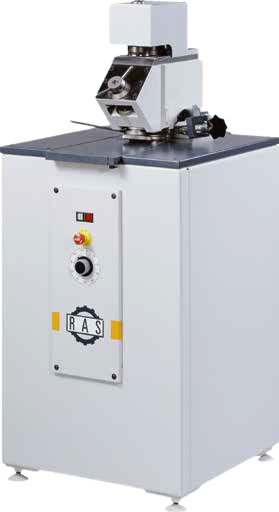
When it comes to achieving precise bends in metal fabrication, machine shops are always searching for reliable solutions that deliver accuracy, consistency, and efficiency. One of the most effective tools for these demanding requirements is the sheet metal press brake. This versatile piece of equipment is often the top search for those needing intricate and high-quality bends, making it an essential part of modern fabrication processes.
What Is a Press Brake and How Does It Work?
A press brake is a specialized machine designed to bend sheet metal into various shapes and angles. It operates by clamping the metal piece between a matching punch and die, then applying force to form the desired bend. The process can accommodate a wide range of materials, including steel, aluminum, and copper, and can produce everything from simple angles to complex, multi-bend components.
Key features of a press brake include:
• Precision Control: Advanced controls enable operators to set exact bend angles and dimensions.
• Versatility: Suitable for both small batch jobs and large-scale production runs.
• Repeatability: Consistent results across multiple parts, essential for quality assurance.
Benefits of Using a Sheet Metal Press Brake in Machine Shops
Incorporating a sheet metal press brake into a machine shop’s workflow offers several advantages:
1. Enhanced Accuracy: The precise nature of press brakes ensures that every bend is uniform, minimizing errors and reducing waste.
2. Efficiency: Automated or CNC-controlled press brakes allow for faster setup and quicker turnaround times, which is especially valuable for high-volume projects.
3. Customization: Capable of handling custom designs, press brakes can meet unique project specifications, from simple brackets to intricate enclosures.
4. Material Flexibility: With the ability to work with various sheet metals and thicknesses, press brakes adapt to a broad range of applications.
5. Improved Safety: Modern press brakes feature advanced safety mechanisms to protect operators during operation.
Applications and Considerations for Precision Bending
Sheet metal bending is crucial in industries such as automotive, aerospace, construction, and electronics. Common applications include:
• Structural components
• Enclosures and housings
• Brackets and frames
• Panels and covers
When selecting a press brake for your shop, consider the following:
• Material Type and Thickness: Ensure the press brake’s capacity matches your most common materials.
• Bending Length: Choose a machine that accommodates the maximum length of your parts.
• Complexity of Bends: For intricate designs, CNC press brakes offer programmable precision and versatility.
Maximizing Results with Professional Support
Achieving optimal results with a sheet metal press brake often depends on expertise and proper setup. Experienced technicians can help with programming, tooling selection, and maintenance to ensure the equipment performs at its best. For those new to press brake operations, training and consultation are invaluable for reducing downtime and maintaining quality standards.
For more information on sheet metal bending solutions and how to choose the right equipment for your needs, visit sheet metal bending.
Whether you are upgrading your fabrication capabilities or looking to streamline production, integrating a press brake into your machine shop can make a significant difference. Precision, flexibility, and efficiency are within reach when you use the right equipment and expertise. Ready to enhance your shop’s metalworking capabilities? Explore the benefits of advanced bending technology and take the next step toward superior results.
 SOLED ADEPPS