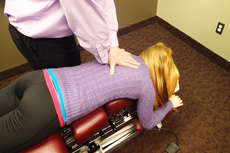


Patients undergoing spinal decompression should communicate any changes in discomfort, unusual sensations, or physical symptoms before, during, and after each session. Sharing this information helps the healthcare provider monitor the patient’s response, assess treatment tolerance, and determine whether adjustments or further evaluation are necessary.
Mechanical spinal decompression uses controlled traction forces to apply a pulling force to a targeted spinal region. Although the procedure is designed to be controlled, individual experiences can vary depending on the spinal area involved, underlying condition, positioning, and personal tolerance.
For patients exploring spinal decompression therapy in Gresham, Oregon, understanding what to communicate during treatment is an important part of making informed decisions about their care.
Why Is Patient Feedback Important During Spinal Decompression Therapy?
Patient feedback provides information that cannot always be determined by observing someone during a treatment session. A patient may experience a change in symptoms, pressure, or sensation that needs to be communicated before the procedure continues.
During spinal decompression therapy, mechanical traction applies controlled forces to the cervical or lumbar spine. The patient’s response can help the treating provider determine whether the current approach is comfortable and whether further assessment is necessary.
For example, someone receiving lumbar traction may notice that their lower back feels different from how it felt before treatment. Another person receiving cervical traction may experience an unfamiliar sensation extending toward the shoulder or arm.
These experiences should not automatically be interpreted as signs that treatment is working or that a particular structure is healing. Instead, they should be communicated so the provider can assess what they mean.
Patient feedback is especially important when:
- Symptoms change during the procedure.
- Discomfort becomes more noticeable.
- New tingling or numbness develops.
- The treatment position feels uncomfortable.
- The patient experiences unexpected pressure.
- Symptoms remain different after the session.
A clear conversation allows the provider to make more informed decisions about the next steps.
What Sensations Should Patients Expect During a Session?
The experience of mechanical traction depends on the equipment, spinal region being addressed, positioning, and treatment settings.
Some patients may notice a gradual pulling or stretching sensation as the system applies controlled force. Others may primarily notice changes in positioning or pressure around the area being treated.
However, patients should not assume that stronger pulling sensations indicate better treatment results.
A Gradual Pulling Sensation
Mechanical traction involves applying a controlled force to the spine. Depending on the system and treatment approach, patients may notice a gentle pulling sensation followed by periods of reduced tension.
The sensation should be discussed with the provider if it feels excessive, uncomfortable, or different from what was explained before treatment.
Pressure From Supporting Equipment
Depending on the type of equipment, straps, harnesses, or other supports may be used to position the body during treatment.
Some contact pressure may be noticeable, but it should not cause significant discomfort, difficulty breathing, or unusual sensations.
Patients should communicate if a strap feels too tight, a support presses against a sensitive area, or their position makes it difficult to remain comfortable.
Changes in Muscle Tension
Some individuals may notice changes in muscle tension while positioned for traction. However, muscle relaxation or a feeling of stretching does not establish that spinal decompression is producing a specific clinical result.
The patient’s overall response should be considered alongside the evaluation findings and treatment goals.
Which Symptoms Should Patients Report Immediately?
Certain changes should be communicated as soon as they occur rather than waiting until the session ends.
Patients should report:
- New or increasing pain.
- Tingling or numbness in the arms, hands, legs, or feet.
- Pain that begins traveling farther away from the spine.
- New weakness or changes in coordination.
- Dizziness, nausea, or unusual headaches.
- Unusual sensations that were not present before treatment.
These symptoms do not all indicate the same problem, but they deserve attention.
For example, someone receiving lumbar traction who develops new tingling extending farther down the leg should communicate that change immediately. Similarly, a patient receiving cervical traction who develops new arm symptoms should not assume the sensation is a normal part of the procedure.
A clinical review of cervical traction published in StatPearls explains that increasing peripheral nerve symptoms and worsening neurological findings can be warning signs of complications. It emphasizes appropriate screening and monitoring during treatment.
If concerning symptoms develop, the procedure should be stopped or paused while the treating provider assesses the situation. Continuing simply to complete a scheduled session is not appropriate when new warning symptoms appear.
How Should Patients Describe Changes in Pain or Discomfort?
Patients do not need medical terminology to explain what they are experiencing. Clear descriptions of symptom location, intensity, timing, and movement can provide useful information.
Instead of saying only that something hurts, consider describing the experience more specifically.
1. Explain Where the Sensation Occurs
Identify whether discomfort is located in the neck, lower back, shoulder, buttock, arm, or leg.
Also mention whether the sensation remains in one area or travels into another part of the body.
This distinction can be particularly important when evaluating symptoms that may involve nerve pathways.
2. Describe What the Sensation Feels Like
Different descriptions can help communicate the nature of a symptom.
For example:
- Aching or soreness.
- Sharp or shooting pain.
- Burning sensations.
- Tingling or pins and needles.
- Pressure or tightness.
- Numbness or reduced sensation.
Patients should describe what they actually experience rather than trying to identify the underlying condition themselves.
3. Explain Whether Symptoms Are Changing
The direction and progression of symptoms can be important.
For example, a patient may notice that discomfort previously limited to the lower back now extends into the leg. Another may experience reduced discomfort in one area but new tingling elsewhere.
These changes should be reported rather than interpreted as evidence of improvement.
4. Mention How Long the Sensation Lasts
Tell the provider whether the sensation disappears shortly after treatment, continues for several hours, or remains noticeable the following day.
The timing can help distinguish a temporary response from a persistent or worsening concern that needs additional assessment.
What Should Patients Report Before Starting a Session?
Communication should begin before the mechanical traction system is activated.
A patient’s condition may change between appointments, so information from a previous session should not automatically be assumed to describe their current health.
Before beginning, patients should mention:
Changes in symptoms: Report whether pain, stiffness, numbness, or tingling has changed since the previous appointment.
New injuries: Falls, accidents, or other injuries may affect whether treatment remains appropriate.
Changes in medical history: New diagnoses, medical procedures, or medications should be discussed when relevant.
Changes in physical function: Mention new difficulty walking, lifting, bending, or performing normal activities.
Previous treatment reactions: Explain whether the last session caused discomfort or unusual symptoms afterward.
Patients should also disclose relevant medical conditions that could affect treatment suitability, including osteoporosis, spinal instability, previous spinal surgery, or other significant health concerns.
Mechanical traction is not appropriate for everyone. A provider should review relevant medical history and screen for contraindications before recommending treatment.
What Should Patients Report After a Spinal Decompression Session?
Communication remains important after the equipment has been removed.
The patient’s response following treatment may provide additional information about comfort, symptom changes, and whether further assessment is needed.
Patients should pay attention to several areas.
Changes in Discomfort
Describe whether symptoms feel different compared with their condition before treatment.
For example:
- Is the discomfort less noticeable?
- Has the pain remained unchanged?
- Has discomfort increased?
- Has the location of symptoms changed?
There is no requirement for a patient to report improvement after every session. An honest description is more useful than attempting to provide an expected answer.
Changes in Sensation
New numbness, tingling, burning, or unusual sensations should be communicated.
This is particularly important when symptoms extend into the arms or legs or differ from the patient’s usual experience.
Changes in Everyday Function
Patients can also describe whether their daily activities feel different following treatment.
For example, they may notice changes when walking, sitting, standing, reaching, or bending.
These observations do not independently establish treatment effectiveness, but they can help inform conversations about progress and further evaluation.
Delayed Symptoms
Some changes may not become noticeable immediately after leaving the clinic.
If new or worsening discomfort, neurological symptoms, or unusual reactions develop later, patients should contact their healthcare provider rather than waiting until the next scheduled session.
How Does Communication Differ Between Cervical and Lumbar Decompression?
Although cervical and lumbar decompression use mechanical traction principles, the spinal regions involved are different. Patients should understand which area is being treated and what symptoms are particularly important to communicate.
| Treatment area | Symptoms worth reporting |
| Cervical spine | Neck discomfort, new headaches, dizziness, arm tingling, hand numbness, or changes in arm strength |
| Lumbar spine | Lower back discomfort, leg pain, foot tingling, numbness, or changes in leg strength |
During Cervical Decompression
Cervical decompression focuses on the neck. The cervical spine is closely connected to nerve pathways that extend into the shoulders, arms, and hands.
Patients should report new or worsening symptoms involving these areas, particularly changes in sensation, weakness, or unusual headaches.
Dizziness, visual changes, or other unexpected symptoms should also be communicated immediately.
During Lumbar Decompression
Lumbar decompression focuses on the lower back. Nerve pathways from this region extend toward the hips, legs, and feet.
Patients should report changes such as increasing leg discomfort, new numbness, tingling, or weakness.
New loss of bladder or bowel control, particularly with saddle-area numbness or leg weakness, requires emergency medical assessment rather than simply reporting the symptoms at the next appointment.
Understanding these differences helps patients communicate more clearly without assuming that every sensation has the same cause.
Why Should Patients Avoid Hiding Discomfort During Treatment?
Some patients may hesitate to report discomfort because they assume it is expected or believe that completing the session is necessary for progress.
However, remaining silent about worsening symptoms can make it harder for the provider to recognize when treatment needs to be reassessed.
Mechanical traction should be adjusted according to the patient’s clinical circumstances and tolerance. If a patient experiences unusual pressure, increasing pain, or new neurological symptoms, the provider needs to know.
Patients should never feel obligated to tolerate discomfort simply because a treatment session has already started.
A useful part of patient education is understanding that communication is not a sign of treatment failure. It is part of making informed decisions about care.
What Questions Should Patients Ask Before and During Treatment?
Patients can make treatment discussions more productive by asking questions about the procedure and what to expect.
Consider asking:
- Which spinal region is being addressed?
- What sensations are generally expected during this procedure?
- What symptoms should prompt me to report discomfort immediately?
- Can I ask for the procedure to be paused?
- What should I do if symptoms change after leaving the clinic?
- How will my response to treatment be evaluated?
- What happens if I do not tolerate the procedure?
Patients should also understand the purpose of the treatment and whether the available evidence supports its use for their particular condition.
For individuals researching Decompression therapy, understanding the mechanical traction process is only one part of the decision. Appropriate screening, realistic expectations, and communication throughout treatment are equally important considerations.
How Is Treatment Progress Evaluated Over Time?
Treatment progress should not be determined by how strongly a patient feels the pulling sensation or whether they experience immediate relief.
A more meaningful discussion considers changes in symptoms and everyday function over time.
Depending on the condition, relevant considerations may include:
- Changes in symptom frequency.
- Changes in discomfort intensity.
- Movement limitations.
- Ability to perform everyday activities.
- Neurological symptoms or examination findings.
- Whether treatment remains appropriate.
A provider may compare the patient’s current condition with their initial evaluation and previous assessments.
If there is no meaningful progress, symptoms worsen, or new concerns develop, the treatment approach may need to be reconsidered.
It is also important to recognize that spinal decompression does not guarantee improvement. Research findings vary according to the condition being studied, and some clinical guidelines do not recommend traction as routine treatment for certain forms of chronic lower back pain.
The World Health Organization, for example, conditionally recommends against routine traction for chronic primary low back pain because the available evidence is of very low certainty. This recommendation is specific to that condition and should not be generalized to every spinal diagnosis.
Understanding the Importance of Patient Communication During Spinal Decompression
Spinal decompression sessions involve more than positioning a patient on a mechanical traction system. Understanding symptoms, communicating changes, and monitoring treatment tolerance are important parts of responsible care.
Patients should report unusual sensations, increasing discomfort, new neurological symptoms, and changes in everyday function. These details help the healthcare provider determine whether the current approach remains appropriate or requires further evaluation.
For individuals considering spinal decompression in Gresham, Oregon, learning what to communicate during treatment can help them participate more confidently in discussions about their care.
The most important principle is straightforward: patients should describe what they actually experience, avoid assuming that discomfort indicates progress, and speak up whenever something feels unusual.
About Aspire Chiropractic & Massage
Located in Gresham, Oregon, Aspire Chiropractic & Massage provides chiropractic care and mechanical spinal decompression services. Their chiropractic team includes Dr. Mark Betsill, D.C., and Dr. Annmarie King, D.C. Patients can Locate their Gresham office on Google Maps or contact the practice at 503-618-0147.
 SOLED ADEPPS