

Material suppliers can manage bulk deliveries more effectively by matching handling equipment to material type, load weight, unloading conditions, and delivery schedules. In Maricopa County, AZ, coordinating machinery with storage capacity and transportation access can help suppliers reduce unnecessary material movement and maintain organized distribution operations.
Bulk material deliveries are common across construction, landscaping, agricultural, industrial, and infrastructure projects. Materials such as aggregates, sand, gravel, soil, packaged cement, and other construction supplies may arrive in different quantities and packaging configurations. Each requires an appropriate handling method.
For suppliers managing multiple customer orders, equipment planning involves more than having machinery available. They must consider where materials will arrive, how they will be unloaded, where they will be stored, and how they will eventually reach customers or project locations.
A well-organized material handling process helps connect these activities while accounting for equipment capabilities, operating conditions, and delivery requirements.
What Should Material Suppliers Consider Before Scheduling Bulk Deliveries?
The first step is understanding the characteristics of the materials being delivered. Different products require different handling methods, and using unsuitable equipment can create unnecessary complications.
For example, loose aggregates may need to be unloaded and transferred using loading equipment, while bagged materials delivered on pallets may be suitable for forklift handling.
Before scheduling a delivery, suppliers should evaluate:
- Material type and physical characteristics
- Total delivery weight and volume
- Packaging and pallet configuration
- Unloading and storage requirements
- Available equipment and rated capacity
- Ground conditions and access routes
- Expected delivery frequency
- Customer pickup or transportation arrangements
These details help determine what machinery is appropriate and how much space should be allocated for receiving and storing materials.
Suppliers should also consider whether deliveries will arrive individually or in larger scheduled batches. Receiving several shipments within a short period may require additional equipment capacity or adjustments to the unloading schedule.
What Equipment Is Appropriate for Different Bulk Materials?
Equipment selection depends on how materials are packaged, their physical characteristics, and the tasks required during unloading and distribution.
Not every machine can handle every type of material. A forklift designed for palletized loads, for example, should not automatically be considered suitable for handling loose aggregates or irregularly shaped materials.
Forklifts for Palletized and Packaged Materials
Reach forklifts can support material suppliers handling compatible palletized products, packaged construction supplies, and other loads that require lifting and positioning.
A Heavy Duty Forklift Rental may be appropriate when suppliers experience increased delivery volumes, require additional lifting capacity, or need temporary equipment for a particular distribution period.
However, maximum lifting capacity alone does not determine whether a forklift is suitable. Suppliers must consider:
- Actual load weight
- Load dimensions and center of gravity
- Required lifting height
- Attachment configuration
- Ground conditions
- Available maneuvering space
The manufacturer’s load chart and operating instructions should guide equipment selection. An attachment or increased lifting height may affect the machine’s rated capacity.
Loaders for Loose Bulk Materials
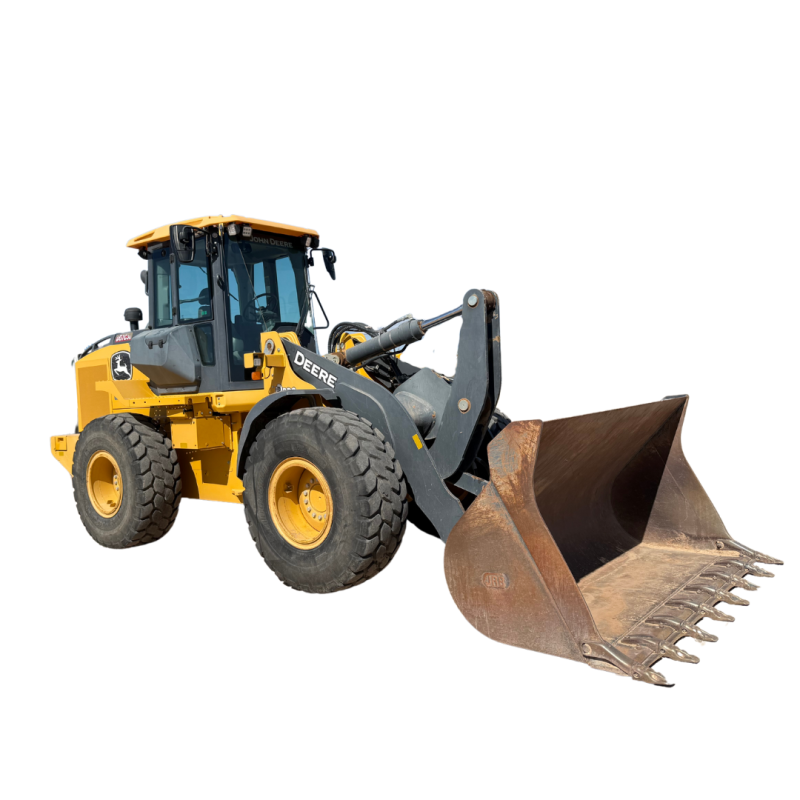
Loose materials such as sand, gravel, soil, and aggregates generally require equipment suited to bulk loading and material movement.
Loaders may be appropriate for transferring these materials between designated storage areas, loading compatible transportation equipment, and organizing stockpiles.
The required machine depends on material volume, loading height, bucket capacity, ground conditions, and the distance between storage and loading points.
Suppliers should also consider how stockpiles are arranged. Poorly positioned materials may create unnecessary travel or restrict access for loading equipment.
Excavators for Supporting Material Site Operations
Excavators are primarily designed for digging and earthmoving applications. Depending on the attachment and working conditions, they may support certain material management activities, particularly when site preparation or excavation is part of the operation.
They should not be treated as direct substitutes for loaders or forklifts when the task involves routine palletized material handling.
Choosing equipment according to its intended application helps avoid unnecessary strain and unsuitable operating practices.
How Can Suppliers Organize Unloading Areas for Bulk Deliveries?
An organized unloading area helps suppliers receive materials without unnecessarily interrupting other operations. The layout should accommodate delivery vehicles, material handling equipment, temporary storage, and personnel movement.
Before establishing an unloading area, suppliers should consider the following:
Vehicle access: Delivery trucks need sufficient room to enter, position themselves, and leave without interfering with other vehicles or equipment.
Unloading space: The designated area should accommodate the delivery vehicle, unloading machinery, and materials being transferred.
Ground conditions: Surfaces should be suitable for the weight of loaded vehicles and operating equipment. Soft, uneven, or unstable ground can affect machine stability.
Storage proximity: Frequently handled materials should be positioned where they can be accessed without unnecessary travel.
Pedestrian separation: Walking routes should remain separate from equipment operating areas wherever practical.
For example, a supplier receiving several loads of bagged cement and construction aggregates may establish separate unloading zones. Palletized products can be handled in a designated forklift area, while loose aggregates can be directed to appropriate stockpile locations.
Separating these activities helps reduce congestion and makes it easier to coordinate different handling requirements.
How Should Material Suppliers Coordinate Equipment With Delivery Schedules?
Delivery timing has a direct effect on equipment requirements. When several trucks arrive simultaneously, suppliers may experience delays if there is insufficient unloading capacity or storage space.
Equipment schedules should reflect expected delivery volumes and the time required to unload each shipment.
A practical scheduling process includes:
- Confirming delivery dates and expected arrival times.
- Identifying the materials and quantities being delivered.
- Assigning suitable unloading equipment.
- Confirming that storage areas are ready.
- Coordinating personnel and equipment availability.
- Allowing time for unexpected delivery changes.
For suppliers handling materials for multiple construction customers, deliveries may need to be organized according to project schedules and customer requirements.
For example, a supplier serving several construction developments throughout Maricopa County may need to prioritize certain orders based on delivery commitments. Having the appropriate machinery available during receiving and loading periods helps support these operations.
When Should Material Suppliers Consider Construction Equipment Rental?
Equipment requirements can change depending on seasonal demand, customer orders, and the number of active projects being supplied.
Purchasing machinery for every temporary increase in workload may not be practical. Some suppliers may need additional equipment only during particularly busy delivery periods or when handling unusually large orders.
Construction Equipment Rental provides an option for accessing machinery during specific operational periods without purchasing another machine.
Situations where renting may be considered include:
- Temporary increases in material deliveries
- Additional customer orders requiring faster loading
- Equipment being unavailable for maintenance
- Short-term expansion of storage operations
- Projects requiring different machinery than the existing fleet
- Temporary material handling requirements
A supplier may already have a loader for moving aggregates but require an additional reach forklift when receiving more palletized construction products.
Rather than assuming one machine can accommodate every task, businesses should identify the equipment needed for each operation and determine whether temporary rental arrangements are appropriate.
Suppliers evaluating Heavy equipment rental options in Maricopa County can compare their project requirements with available machinery and discuss equipment availability.
What Should Businesses Evaluate When Working With an Equipment Rental Company?
Choosing an Equipment Rental Company involves more than confirming whether a machine is available. Suppliers should understand the equipment’s capabilities, rental arrangements, transportation requirements, and maintenance responsibilities.
Several considerations can help guide the decision.
Equipment Availability and Suitability
The selected machine should match the intended application. Suppliers should provide information about the materials being handled, load weights, lifting requirements, and operating conditions.
Equipment availability should also align with the delivery schedule. A machine arriving after a major shipment has been scheduled may not provide the intended operational benefit.
Rental Duration
The rental period should reflect the expected workload. Some suppliers may require machinery for several days, while others may need it for longer periods during increased distribution activity.
Understanding daily, weekly, monthly, and longer-term arrangements can help businesses plan equipment expenses.
Transportation Arrangements
Heavy machinery may require appropriate transportation to reach a supplier’s yard or distribution facility.
Businesses should discuss delivery and pickup arrangements, including site access, equipment dimensions, and scheduling requirements.
Maintenance and Equipment Condition
Suppliers should understand the inspection and maintenance responsibilities associated with rented machinery.
They should also know how to report equipment concerns and what procedures apply if a machine develops a mechanical problem during the rental period.
These details help establish clearer expectations before equipment arrives.
How Can Suppliers Reduce Unnecessary Material Handling?
Repeatedly moving the same materials can increase equipment operating time, create additional handling requirements, and complicate distribution activities.
Suppliers can improve material movement by organizing storage areas according to product type, delivery frequency, and customer demand.
For example, frequently requested construction materials can be positioned in accessible areas, while less frequently handled products may be stored elsewhere.
Other useful practices include:
- Grouping similar materials together
- Maintaining clear equipment travel routes
- Avoiding unnecessary movement between stockpiles
- Coordinating deliveries with available storage capacity
- Keeping loading and unloading areas organized
- Reviewing material inventory before scheduling additional shipments
Suppliers should also consider how materials will leave the facility. Storage arrangements that simplify receiving but complicate customer loading may create additional work later.
The objective is to establish a practical flow from delivery through storage and final distribution.
How Do Maricopa County Operating Conditions Affect Material Handling?
Material suppliers throughout Maricopa County, AZ work with different types of facilities, customers, and delivery requirements.
Some operate from established distribution yards, while others manage storage areas connected to construction supply businesses, agricultural operations, or industrial properties.
Arizona’s dry conditions and dusty environments also make equipment and storage management important considerations.
Dust can accumulate around machinery, filters, and moving components. Suppliers should follow equipment manufacturer recommendations for cleaning, inspections, and maintenance.
Ground conditions also deserve attention. Loose soil, uneven surfaces, and changing site conditions can affect equipment movement and stability.
When planning machinery requirements, suppliers should evaluate the actual operating environment instead of assuming that equipment suitable for one facility will perform equally well at another.
Why Is Equipment Maintenance Important for Material Handling Operations?
Material suppliers often depend on machinery to receive, organize, and distribute products throughout the working day. Mechanical problems can interrupt these activities and affect scheduled deliveries.
Routine maintenance helps identify equipment concerns and provides an opportunity to address developing issues.
Important maintenance considerations include:
Fluid inspections: Check fluid levels and look for visible leaks according to manufacturer procedures.
Tire and track condition: Inspect components for visible wear or damage that may affect equipment movement.
Hydraulic components: Monitor hoses, connections, and accessible components for signs of leakage or deterioration.
Braking and steering systems: Report changes in equipment response or unusual operating behavior.
Scheduled servicing: Follow manufacturer recommendations for lubrication, filters, and other maintenance requirements.
If machinery develops unusual noises, reduced performance, warning indicators, or other mechanical concerns, the issue should be evaluated.
For businesses that depend on multiple machines, maintaining service records can also help identify recurring problems and support equipment planning.
Plan Your Material Handling Equipment Requirements
Managing bulk deliveries requires coordination between machinery, storage areas, transportation schedules, and customer requirements. Selecting equipment according to material characteristics and operating conditions can help suppliers organize their distribution activities more effectively.
Material suppliers in Maricopa County, AZ should evaluate their delivery volumes, unloading requirements, storage capacity, and equipment needs before arranging additional machinery.
Whether operations involve palletized construction supplies, loose aggregates, or other bulk materials, having an appropriate equipment plan helps establish a more organized receiving and distribution process.
About May Machinery
May Machinery is a family-owned heavy equipment rental, repair, and transportation business based in Buckeye, Arizona. Founded in 1992, the company serves contractors and businesses throughout Arizona, with a primary focus on Maricopa County, and can be reached at (623) 386-3023. Businesses can Find their office on Google Maps for directions.

 SOLED ADEPPS