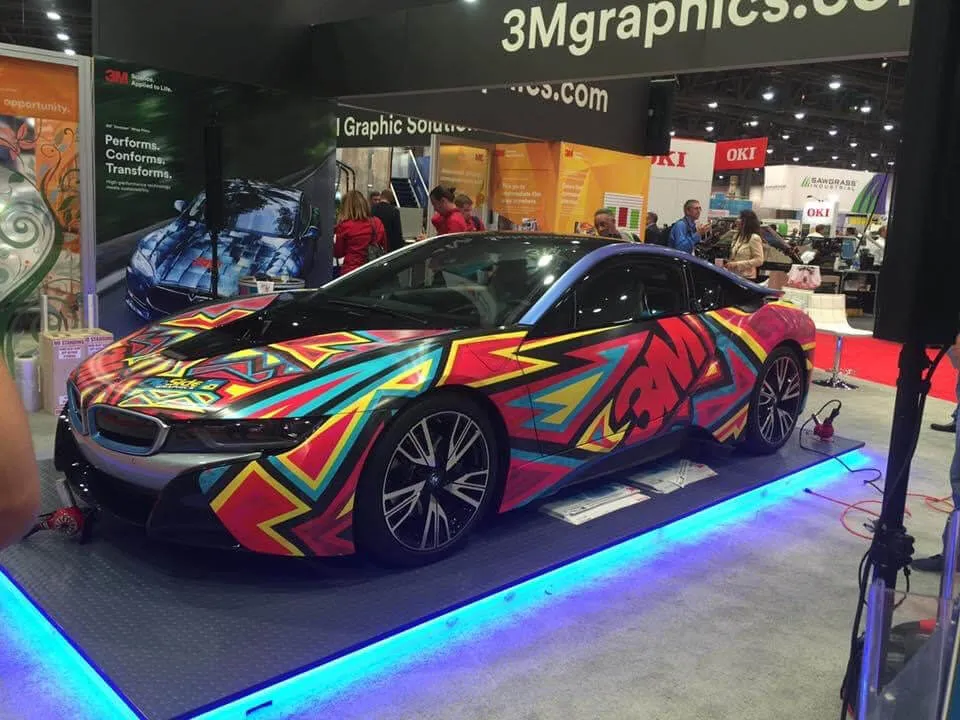



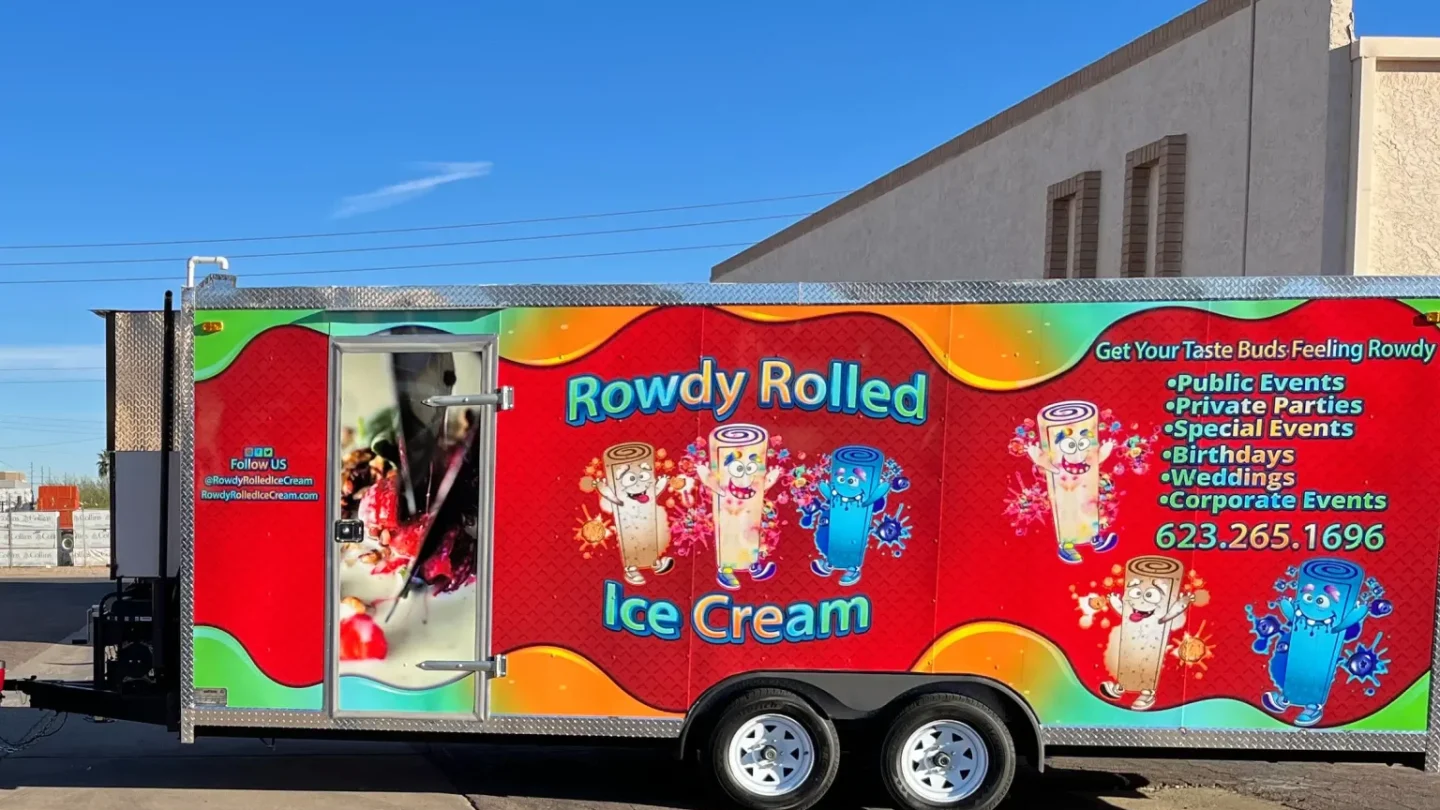
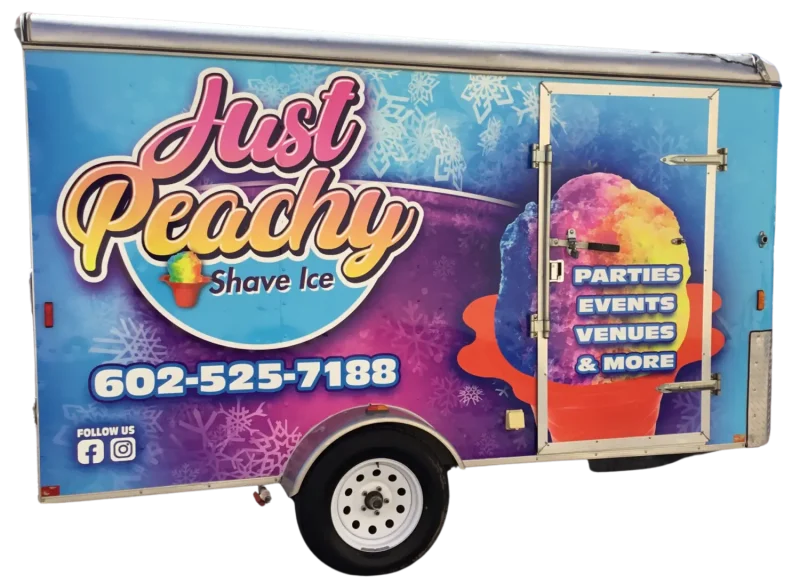
Food truck wraps can support multiple food concepts by using a unified visual identity, clearly organized food imagery, and flexible graphic layouts that accommodate different menus without confusing customers. Rather than presenting several unrelated brands on one vehicle, an effective design establishes a recognizable business identity while allowing individual food concepts to remain distinct.
Some food truck operators offer different cuisines throughout the day, while others combine related concepts, such as barbecue and sandwiches, coffee and pastries, or tacos and specialty desserts. A single truck may also serve different menus depending on whether it is operating at a public event, private gathering, or corporate catering function.
For mobile food businesses in Avondale, Arizona, this flexibility creates an interesting branding challenge. The exterior must communicate what the business offers without becoming visually cluttered or dependent on one menu that may change.
Professional food truck wraps can address this challenge through thoughtful graphic planning. The objective is not to display every possible menu item but to establish a recognizable brand that supports multiple offerings.
Why Is Branding More Complicated When One Food Truck Offers Multiple Concepts?
A food truck serving one clearly defined cuisine typically has a straightforward visual direction.
A pizza truck might feature familiar Italian-inspired elements, while a barbecue truck could use imagery associated with smoked meats and outdoor cooking.
However, a truck that serves multiple food concepts needs a more adaptable identity.
The challenge becomes determining how customers can recognize the business without assuming it serves only one type of food.
Different Concepts Can Create Conflicting Visual Messages
Imagine a food truck that serves breakfast burritos during morning events and gourmet burgers during evening service.
Both menus may be successful individually, but their visual identities could differ substantially.
Breakfast branding might emphasize warm colors and morning imagery, while the burger concept could use a darker, more contemporary style.
Combining two unrelated designs across the same vehicle can create confusion.
Customers viewing the truck from a distance may struggle to determine whether the graphics represent one business or several unrelated vendors.
Professional design helps establish a visual relationship between the concepts.
Customers Need to Recognize the Business First
When customers encounter a food truck at an event, they often see its exterior before reaching the ordering window.
The vehicle’s name, colors, and overall appearance help establish recognition.
If the graphics rely entirely on specific dishes, the business may become difficult to identify when its menu changes.
A more adaptable design emphasizes the parent brand while allowing individual offerings to receive supporting attention.
This is particularly useful for operators who regularly change their menus or participate in different types of events.
Not Every Food Concept Needs Equal Visual Space
Some food trucks have one primary concept and several secondary offerings.
For example, a business may specialize in sandwiches but occasionally offer breakfast items and desserts.
Giving every category the same amount of graphic space could weaken the truck’s main identity.
Instead, the visual presentation can establish a clear hierarchy.
The most recognizable brand elements remain prominent, while secondary food categories contribute to the overall design without competing for attention.
How Can a Unified Brand Support Different Food Concepts?
A unified brand creates continuity across multiple offerings.
Rather than designing the truck as a collection of separate advertisements, professional graphics can establish one consistent visual system.
This system may include recognizable colors, typography, illustrations, and graphic patterns.
The Main Brand Acts as the Visual Foundation
Consider a food truck operating under one company name while offering tacos, rice bowls, and specialty drinks.
These products can share a recognizable identity without requiring separate logos to dominate the exterior.
The main business name might occupy a prominent position, with supporting imagery illustrating the available food categories.
This arrangement allows the truck to communicate variety while retaining a clear visual identity.
It can also accommodate menu updates without requiring the entire exterior to be redesigned.
Consistent Colors Help Connect Different Offerings
Color can establish a visual relationship between food concepts.
For example, a truck offering Mediterranean-inspired meals and specialty beverages could use one coordinated palette throughout its exterior.
Different graphic sections may feature variations within that palette, but the overall appearance remains connected.
A cohesive color system helps prevent the vehicle from appearing divided into unrelated businesses.
The specific colors depend on the brand’s identity rather than the cuisine alone.
Typography Maintains Recognition
Typography is another important component of visual consistency.
Using several unrelated typefaces for different food concepts can make the truck appear disorganized.
A coordinated typography system allows individual offerings to have distinct headings while maintaining a recognizable overall style.
Professional food truck wrap design considers how these elements appear across large panels, around windows, and from typical viewing distances.
The result should be readable and visually coherent rather than overcrowded.
How Can Food Truck Wraps Separate Multiple Concepts Without Dividing the Vehicle?
One approach involves creating visual distinctions between offerings while maintaining a consistent background design.
These distinctions can be subtle or prominent depending on the number of concepts and how frequently they change.
Graphic Zones Can Organize Different Offerings
A food truck may use different sections of its exterior to communicate particular food categories.
For example, an operator offering specialty coffee and baked goods might feature both concepts through coordinated illustrations.
The graphics can identify these offerings without making them appear to belong to separate companies.
However, graphic zones should reflect the actual vehicle layout.
Service windows, access panels, vents, and other equipment can influence where artwork is appropriate.
The available body surfaces determine whether a particular arrangement is practical.
Shared Illustrations Can Connect Related Foods
When multiple concepts share a culinary theme, illustrations may help bring them together.
A truck offering tacos, quesadillas, and burrito bowls could use coordinated food illustrations rather than photographs of every individual dish.
This approach helps establish the general type of cuisine without tying the entire exterior to a specific menu.
Illustrations also allow the design to maintain consistent artistic styling across different offerings.
The choice between illustration and photography depends on the brand’s visual direction and the desired presentation.
Distinct Concepts Need a Clear Relationship
Some food trucks serve combinations that are less closely related.
For example, a vehicle might offer savory meals during lunch and specialty desserts at evening events.
In these situations, the design can emphasize the business name and overall personality rather than attempting to merge the two menus into one complicated image.
The exterior communicates the parent brand, while more changeable menu information communicates what is currently available.
This distinction helps prevent unnecessary graphic revisions when the operator adjusts individual offerings.
Why Does Menu Flexibility Matter in Food Truck Graphics?
Food truck menus may change because of ingredient availability, event requirements, seasonal demand, and business decisions.
A wrap is a physical graphic application, so changing permanently printed menu information generally requires new material.
For operators serving multiple concepts, this makes flexibility especially important.
Permanent Graphics Should Focus on Stable Information
A business name, established logo, and consistent brand colors are typically more stable than individual menu items.
These elements can remain relevant even if the food truck introduces additional dishes or adjusts its offerings.
In contrast, printing an extensive menu directly into the wrap can create problems when items change.
A truck that permanently displays one collection of dishes may no longer accurately represent its offerings after a menu revision.
Professional design considers which information is likely to remain useful over time.
Temporary Menus Can Complement Permanent Branding
Some operators use separate menu boards or other updateable displays to communicate current offerings.
These elements serve a different purpose from the main vehicle graphics.
The wrap establishes recognition, while the menu identifies what customers can order during a particular service period.
For a food truck serving different concepts at different events, this separation can provide greater flexibility.
It also prevents the permanent exterior from becoming overloaded with information.
Avoiding Overly Specific Food Imagery
Large food photographs can communicate a particular cuisine immediately.
However, a truck that changes concepts frequently may find that highly specific imagery no longer represents its menu.
For example, a vehicle dominated by a large hamburger photograph may create an inaccurate impression when the operator is serving breakfast pastries.
A broader visual identity can help accommodate changing offerings while retaining recognizable branding.
This does not mean food photography should always be avoided. Its suitability depends on how central the depicted products are to the business.
How Do Multiple Food Concepts Affect Customer Expectations?
A food truck’s exterior influences what customers expect before they approach the ordering window.
When several concepts share one vehicle, unclear branding can make those expectations difficult to manage.
A well-organized design helps customers understand the relationship between the business and its offerings.
Customers Should Know Whether There Is One Brand or Several
Some food trucks operate under one name with multiple menu categories.
Others may be part of businesses that operate distinct culinary brands.
The graphic approach should reflect the actual business structure.
If the truck represents one company, displaying multiple competing brand names may create unnecessary confusion.
If separate concepts genuinely operate from the same vehicle, their visual relationship requires careful planning.
The objective is to communicate the business accurately.
Broad Cuisine Descriptions Can Provide Context
A concise description of the business’s culinary focus may help customers understand the truck’s offerings.
However, the description needs to remain accurate across its normal service configurations.
A truck serving multiple types of comfort food, for example, may benefit from an identity that reflects that broader category.
A very narrow description might become misleading when the menu changes.
The appropriate wording depends on the business and its established offerings.
Visual Clarity Supports Faster Recognition
A crowded event environment gives customers numerous competing visual elements to process.
A food truck covered with several logos, photographs, decorative patterns, and lengthy descriptions may be difficult to understand at a glance.
Professional food truck graphics organize information according to importance.
The business identity should remain recognizable, while supporting elements help communicate the type and range of food available.
How Can Wrap Design Accommodate Different Event Types?
Food trucks may serve at public markets, festivals, private parties, corporate events, and other gatherings.
Some operators use different menus for different occasions.
A wrap that supports multiple concepts should remain appropriate across the business’s intended operating environments.
Public Events May Require Broader Recognition
At festivals and markets, customers may encounter a food truck without knowing anything about the business.
The exterior needs to establish a recognizable identity among other vendors.
For operators serving multiple cuisines, the visual presentation should communicate variety without making the business difficult to identify.
A clear parent brand helps customers recognize the same truck at future events.
Private Catering May Feature Different Menus
A food truck could serve one menu during a public event and offer a customized selection for a private catering engagement.
The exterior does not necessarily need to reflect every temporary menu variation.
A consistent brand presentation can remain appropriate while the menu changes according to the event.
This approach supports businesses whose services extend beyond one fixed collection of dishes.
Seasonal Events Can Change Customer Demand
Seasonal gatherings may influence which menu categories a food truck emphasizes.
For example, an operator may feature cold beverages more prominently during summer events and introduce warm specialty drinks during cooler periods.
The main wrap can maintain the business’s identity while separate menu displays communicate seasonal offerings.
This reduces dependence on permanent graphics that describe only one period of the year.
Why Does the Physical Food Truck Layout Affect Multi-Concept Branding?
Food truck exteriors contain functional components that influence graphic coverage.
Service windows, doors, vents, utility connections, and equipment compartments can interrupt otherwise continuous surfaces.
These features matter regardless of the number of food concepts offered.
The Serving Window Influences Visual Organization
Customers generally interact with the business through the service window.
The surrounding area can contribute to the truck’s visual identity, but its available space may be limited.
For a multi-concept food truck, the design must balance branding with the practical requirements of ordering and service.
Large decorative elements should not make the customer-facing area unnecessarily crowded.
Equipment Panels May Limit Graphic Continuity
Food trucks often contain exterior access panels, ventilation openings, and utility equipment.
These components must remain functional and accessible.
A design extending across multiple sections of the truck needs to accommodate those features.
The appropriate coverage depends on the vehicle’s construction and the selected wrap material.
Every Exterior Surface Has a Different Purpose
The customer-facing side may provide substantial visual exposure, while other surfaces contain equipment or access points.
Professional planning considers the complete vehicle without assuming all panels offer the same opportunities.
For operators developing multiple food concepts, this prevents an already complex design from becoming further complicated by unsuitable graphic placement.
When Does a Multi-Concept Food Truck Need Updated Graphics?
A food truck’s branding needs can change as its business develops.
However, introducing a new dish or temporary menu does not automatically require replacing the exterior wrap.
The more important question is whether the existing graphics still represent the overall business accurately.
Expanding Within an Existing Concept
A truck that adds new menu categories while retaining its established brand may not require major graphic changes.
For example, introducing rice bowls alongside existing tacos may fit comfortably within the same culinary identity.
The original design may remain appropriate if it emphasizes the business rather than individual products.
Introducing a Substantially Different Concept
A larger change may create new visual requirements.
If a truck previously specialized in one cuisine but now operates several distinct concepts, its existing graphics may no longer communicate the business accurately.
In that situation, updated artwork could help establish a more flexible identity.
The appropriate scope depends on the current design, material condition, and intended changes.
Maintaining Brand Recognition During Expansion
A business may also introduce additional food trucks as its operations grow.
If individual vehicles emphasize different menus, consistent branding can help customers recognize the relationship between them.
The main logo, typography, and colors may remain coordinated even when supporting food imagery differs.
This allows the business to accommodate different concepts without losing its established identity.
How Can Professional Design Support Future Menu Changes?
Professional design is particularly useful when the business anticipates changes in its food offerings.
Rather than treating every menu item as a permanent branding requirement, designers can develop a visual identity that remains useful as the company evolves.
Establishing a Flexible Graphic System
A flexible system uses recognizable colors, typography, and visual elements that can support different food categories.
The vehicle’s overall appearance remains consistent while secondary imagery communicates the current concept.
This approach is especially relevant for operators who plan to test new offerings or participate in different types of events.
Evaluating the Complete Vehicle
Before finalizing artwork, the designer needs to understand the actual food truck.
Its dimensions, service window placement, access panels, and existing exterior features influence graphic coverage.
The design should complement these physical characteristics rather than relying entirely on a generic vehicle illustration.
Considering Long-Term Brand Identity
A food truck wrap is not simply a menu printed across a vehicle.
It is also part of the business’s visual identity.
For operators considering food truck wrap design in Avondale, Fast-Trac Designs offers professional vehicle graphics design, production, and installation services.
Their team works with food truck operators to develop custom graphics suited to the vehicle and the business’s branding requirements.
Creating a Recognizable Identity for Multiple Food Concepts
A food truck serving several culinary concepts needs branding that communicates variety without sacrificing clarity.
The most effective approach generally involves establishing a recognizable parent brand and using supporting graphics to represent the available offerings.
This can include coordinated food imagery, consistent typography, a flexible color palette, and a thoughtful separation between permanent branding and changeable menu information.
The physical vehicle also influences the design. Service windows, equipment panels, doors, and other exterior features determine where graphics can be applied appropriately.
For businesses operating different menus throughout the day or across multiple events, the goal is not to advertise every possible dish at once.
Instead, professional food truck wraps can establish a cohesive identity that remains relevant as offerings change.
A coordinated design helps customers recognize the business, understand its general culinary focus, and connect different food concepts to the same established brand.
About Fast-Trac Designs
Fast-Trac Designs is a Phoenix, Arizona-based vehicle graphics company serving food truck operators and other businesses in Avondale and surrounding communities. Established in 2007, they provide custom food truck wraps, vehicle graphics design, printing, and professional installation through a team that includes 3M-certified installers. Business owners can discuss their projects at (623) 780-1168 or find their Phoenix location on Google Maps.
 SOLED ADEPPS
 Alexander Martin