


In short:
- A Certificate of Analysis (COA) is a lab report confirming cannabinoid potency, pesticide screening, and contaminant testing for THCA flower.
- Reading a COA involves checking the testing lab’s accreditation, the sample date, and whether results fall within compliant limits.
- Shoppers who want to find quality THCA buds at Costa Brand should compare COA data against product labels before purchasing.
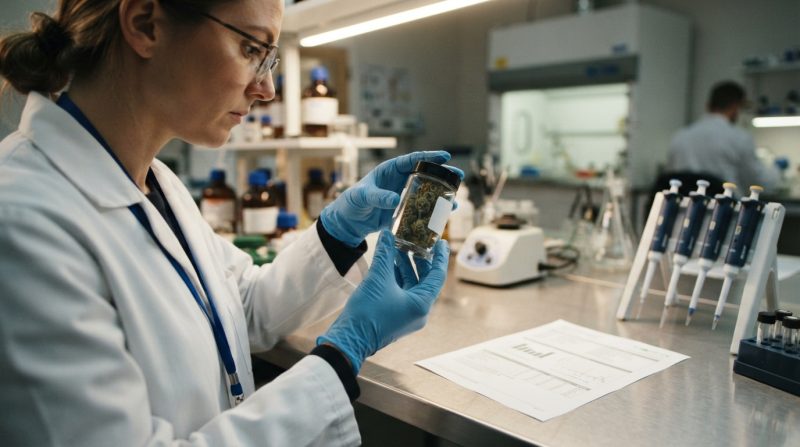
A Certificate of Analysis is a document issued by an independent laboratory that details the chemical makeup of a hemp-derived product, including cannabinoid concentrations and the presence or absence of contaminants. For THCA flower specifically, this report confirms how much tetrahydrocannabinolic acid and other cannabinoids are present, along with results for pesticides, heavy metals, residual solvents, and microbial content. Shoppers who want to find quality THCA buds at Costa Brand can use these reports as a practical screening tool before deciding which flower to purchase.
Because THCA is the non-psychoactive precursor to THC and converts through heat exposure, accurate lab testing matters for both legal compliance and consumer transparency. A flower product sold under the 2018 Farm Bill framework must test below 0.3 percent total THC on a dry-weight basis at the time of harvest, which is why COAs typically separate THCA from “Total THC” in their reporting.
What a Certificate of Analysis Actually Measures
A standard COA for THCA flower covers several distinct categories of testing. Each category addresses a different safety or compliance question that a label alone cannot answer.
- Cannabinoid potency: percentages for THCA, Delta-9 THC, CBD, CBG, and other minor cannabinoids
- Pesticide screening: residue levels for commonly regulated agricultural chemicals
- Heavy metals: testing for lead, arsenic, cadmium, and mercury
- Microbial and mycotoxin testing: checks for mold, yeast, and bacterial contamination
- Residual solvents: relevant mainly for extracted products, though some flower batches are tested as a precaution
Each section should list a numeric result alongside the laboratory’s action limit, so a reader can see whether the batch passed or failed for that specific contaminant.
How to Read the Report Before You Buy
Locating a COA is only the first step. Verifying that it reflects the batch in hand requires a few checks.
- Confirm the lab name and accreditation. Legitimate testing facilities are typically ISO 17025 accredited, which indicates the lab meets recognized technical competence standards.
- Match the batch or lot number on the COA to the number printed on the product packaging.
- Check the test date. Cannabinoid content can degrade over time, so a report older than the harvest season may not reflect current potency.
- Review the total THC calculation, which accounts for the conversion of THCA into THC during decarboxylation.
- Look for a complete contaminant panel rather than potency data alone, since some sellers only publish partial results.
The U.S. Department of Agriculture oversees hemp production standards nationally, and its hemp regulations page outlines the compliance thresholds that growers and testing labs reference when classifying hemp versus marijuana under federal law.
Why Transparency Varies Across the Market
Not every retailer in the United State publishes third-party lab results in the same format, and inconsistent disclosure is one of the more common complaints among hemp consumers. The table below outlines general differences in how sellers tend to present testing information.
| Disclosure Practice | What It Typically Means |
|---|---|
| Full COA posted per batch | Each product links to its own specific lab report |
| Generic COA for a product line | One report represents multiple harvests, which may not reflect current stock |
| Partial panel only | Potency shown, but pesticide or heavy metal data omitted |
| No COA available | Buyer has no independent verification of contents |
Buyers are generally advised to favor sellers in the first category, since batch-specific testing offers the clearest link between the report and the product actually being shipped.
Frequently Asked Questions
Does a COA guarantee a product is legal in every state? No. A COA confirms lab results at the time of testing, but hemp and THCA laws vary by state, so legality also depends on local regulations in addition to federal thresholds.
How often should THCA flower be retested? Reputable processors test each new batch or harvest, since cannabinoid levels and contaminant exposure can differ even within the same strain grown in different conditions.
What does “Total THC” mean on a COA? It is a calculated figure that estimates the THC content after decarboxylation, combining existing Delta-9 THC with a percentage of the THCA converted through heat.
Can a COA expire? Labs do not issue formal expiration dates, but older reports may not reflect a product’s current potency or contaminant status, particularly for flower that has been stored for extended periods.
Hemp-derived THCA flower is produced and distributed to customers across United State, with operations based in USA. Business details, including product categories, are published for Costa Brand.
Current product listings and testing documentation for Costa Brand are published for review before purchase.
 SOLED ADEPPS