

Quick take:
• A roofing installation expert evaluates decking, ventilation, and materials before any shingles go down, not just after a leak appears.
• Denver, CO homeowners face hail, UV exposure, and wide temperature swings that affect which roofing materials perform best.
• Written estimates, manufacturer certifications, and clear timelines are the main things to compare between contractors.
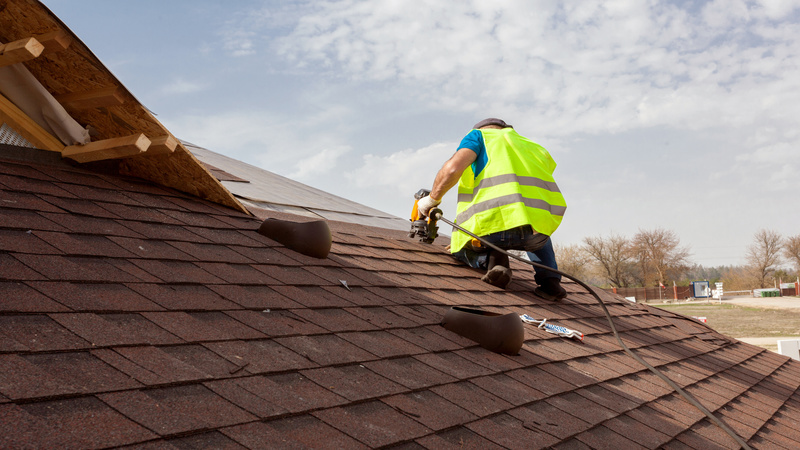
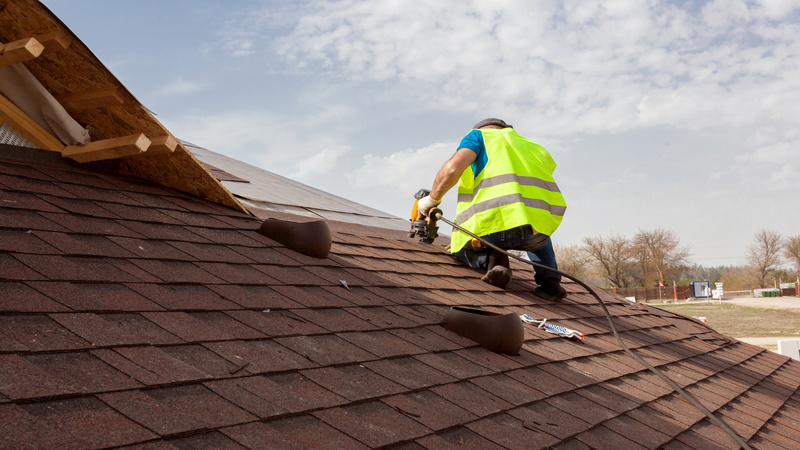
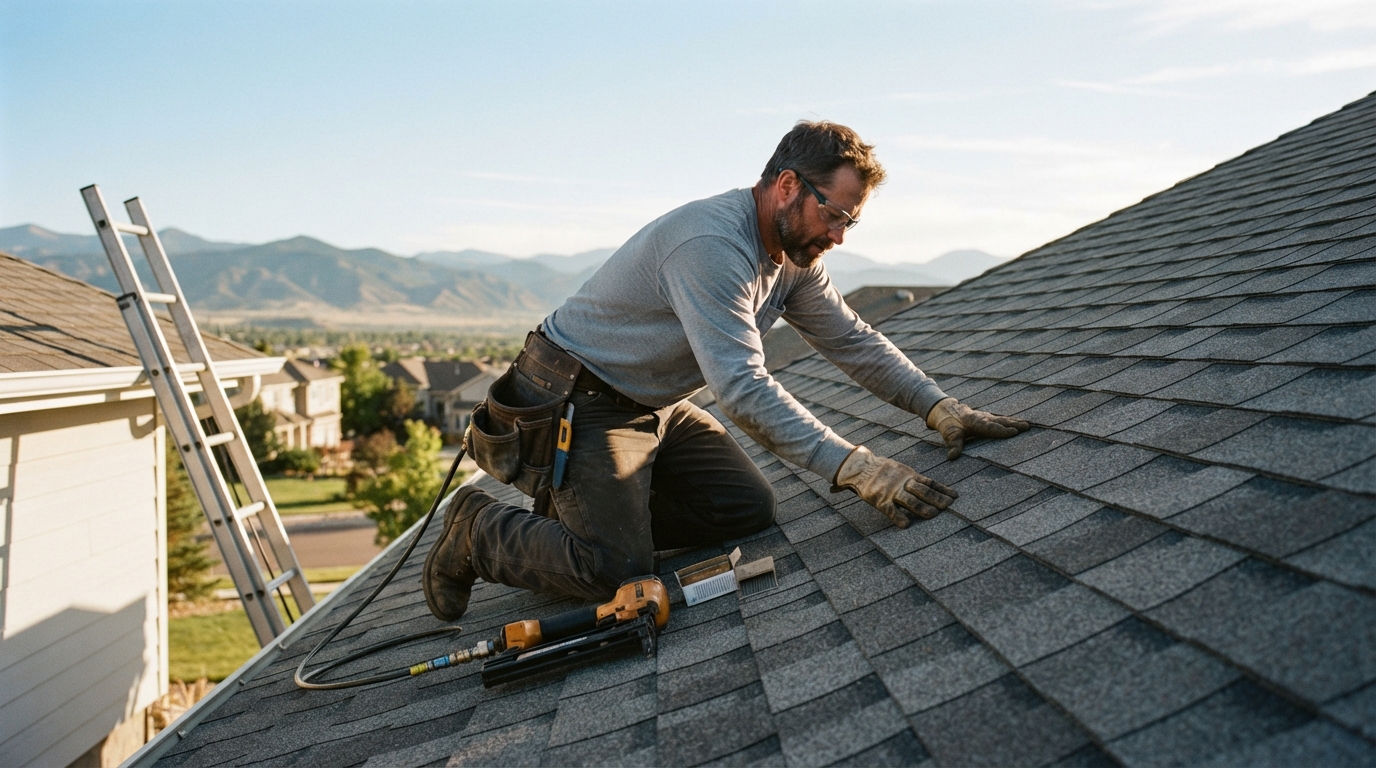
Replacing or installing a roof is one of the largest exterior investments a homeowner makes, and the difference between a durable roof and a problem-prone one usually comes down to who installs it. A qualified roofing installation expert inspects the roof deck, flashing, and attic ventilation before recommending materials, rather than simply matching whatever was there before. That upfront evaluation matters most in climates like Denver, CO, where hail and rapid temperature shifts place extra stress on roofing systems.
What a Qualified Roof Installer Actually Checks
Installation quality depends on steps that happen before a single shingle is placed. A thorough contractor typically reviews:
• Deck condition, looking for rot, soft spots, or warping under the existing roofing material
• Ventilation balance between intake and exhaust vents, since poor airflow shortens shingle life
• Flashing points around chimneys, skylights, and valleys where leaks most often start
• Local code requirements, including underlayment type and ice-and-water shield placement in cold climates
Skipping these checks is a common reason roofs fail early, regardless of how good the shingles themselves are.
Climate Considerations for Denver, CO Homeowners
Front Range weather puts specific demands on roofing systems that are less relevant in milder climates. According to the National Weather Service, Colorado’s Front Range experiences frequent severe thunderstorms that can produce large hail during spring and summer months. Roofing materials rated for impact resistance, along with proper attic ventilation to handle temperature swings between hot days and cold nights, are commonly recommended for the region.
Homeowners in this area also deal with intense UV exposure at altitude, which accelerates the breakdown of lower-grade asphalt shingles. Installers familiar with these conditions often steer clients toward Class 4 impact-rated shingles or metal roofing, both of which carry better warranties against hail damage.
Comparing Roofing Material Options
| Material | Typical Lifespan | Hail Resistance | Relative Cost |
| Architectural asphalt shingles | 20-30 years | Moderate | Lower |
| Class 4 impact-resistant shingles | 25-30 years | High | Moderate |
| Standing seam metal | 40-60 years | High | Higher |
| Synthetic/composite shingles | 30-50 years | High | Higher |
Lifespan figures vary based on installation quality, attic ventilation, and maintenance, so they should be treated as general ranges rather than guarantees.
Questions to Ask Before Signing a Contract
A written estimate should break down labor, materials, disposal, and any permit fees separately. Homeowners should also confirm:
1. Whether the contractor carries manufacturer certification for the specific shingle or metal product being installed
2. What the workmanship warranty covers, separate from the manufacturer’s material warranty
3. Whether local permits and inspections are included in the scope of work
4. How tear-off debris and old materials will be disposed of
Contractors who hesitate to put these details in writing are worth reconsidering, since verbal promises are difficult to enforce after the job is finished.
Frequently Asked Questions
How long does a full roof installation take? Most residential roof replacements take one to three days depending on roof size, pitch, and weather delays, though larger or more complex roofs can take longer.
Can installation happen in winter? Shingle installation is possible in cold weather but requires specific adhesive handling, since sealant strips may not bond properly below certain temperatures without additional steps.
Does homeowners insurance typically cover hail-damaged roofs? Coverage depends on the individual policy and the cause of damage, so homeowners should review their policy details or speak with their insurer directly rather than assume coverage applies.
What is the difference between a roofing contractor and a roofing installation expert? The terms often overlap, but the distinction usually refers to a contractor’s depth of manufacturer training, certification, and specialization in installation best practices rather than general repair work.
Based in USA, the business behind Roof Evolution serves customers across Denver, CO.
Current service area information for Roof Evolution is published online.

 SOLED ADEPPS