




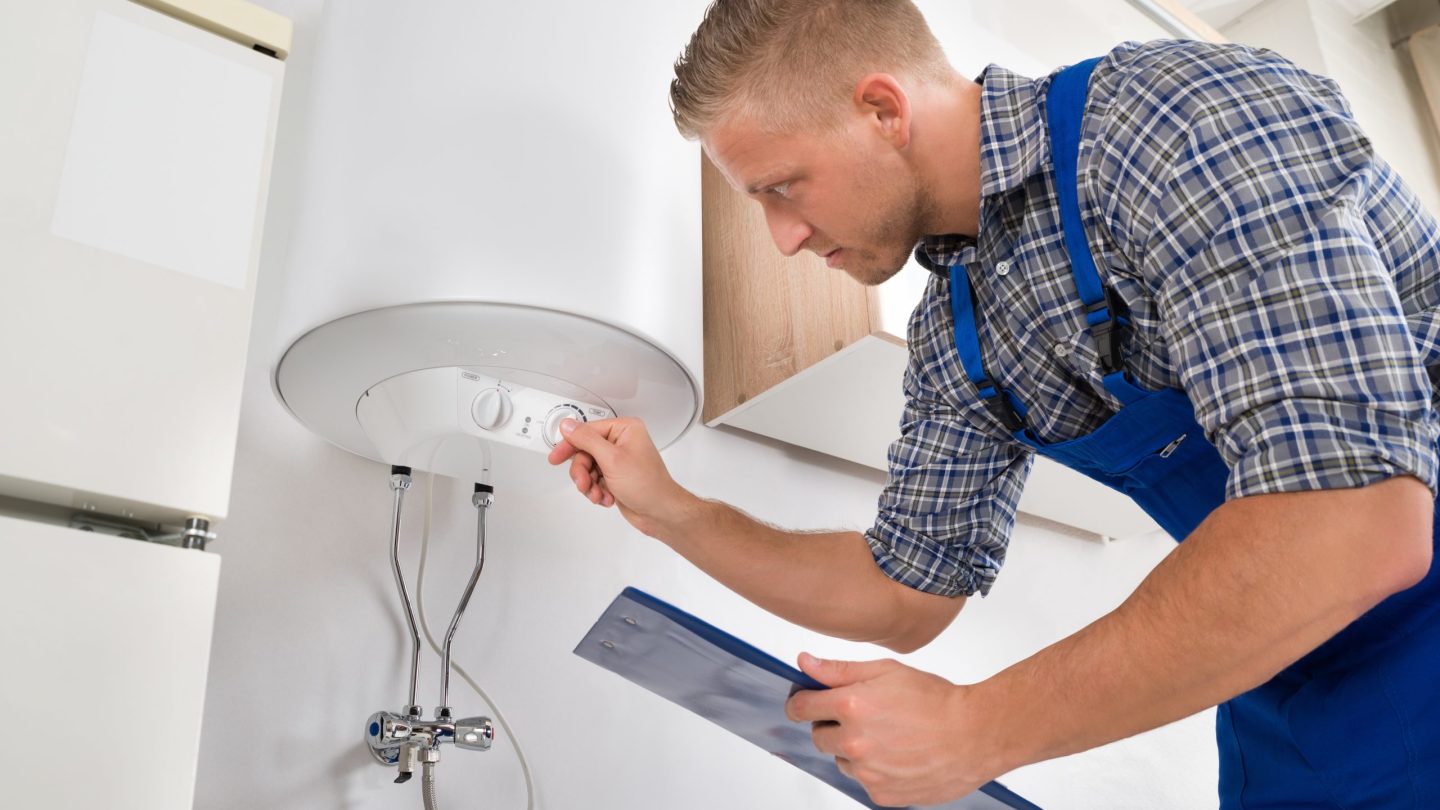
A failing water heater can disrupt daily routines and create an unexpected expense. Planniad makes it easier to compare options, understand installation costs, and choose a system that fits your home. If you’re researching water heater replacement in Wheat Ridge, CO, start by looking beyond the unit’s sticker price: labor, permits, venting, and any needed plumbing updates can all affect the final bill.
What a Replacement May Cost
As a general planning range, a standard tank-style unit with professional installation may cost about $1,200 to $3,500. A tankless system often runs $2,500 to $5,500 or more, particularly if the home needs electrical, gas-line, or venting upgrades. These figures are estimates, not guaranteed local quotes; the actual price depends on the equipment, site conditions, and scope of work.
A written estimate should separate the heater from installation and additional work. Ask whether it includes removal and disposal of the old unit, new connections, required permits, startup, and cleanup. This breakdown helps you compare proposals fairly and spot costs that may otherwise appear after work begins.
Factors That Shape the Total
The right size and type depend on household needs. A tank’s capacity should account for how many people live in the home and when hot water is used. Tankless models heat water on demand, but their flow capacity must be sufficient for simultaneous showers, laundry, or dishwashing.
Fuel type matters, too. Replacing a gas heater with another gas model may be straightforward, while switching fuels can require substantial electrical or gas-service changes. Older homes may also need updated venting, shutoff valves, drain pans, expansion tanks, or piping. Ask the installer to inspect the setup before finalizing your budget.
Wheat Ridge’s cold winter temperatures are another practical consideration. Incoming water is colder in winter, so the heater may need to work harder to deliver the desired temperature. Discuss performance and sizing with a qualified professional rather than choosing solely by the lowest upfront price.
Build a Realistic Budget
Before scheduling work, request detailed estimates from multiple qualified installers. Confirm that each quote covers comparable equipment and labor, and ask what circumstances could increase the price. Set aside a contingency—around 10% to 15% of the project budget is a useful planning cushion—for concealed damage or unexpected code-related updates.
Also consider the long-term costs. Compare energy-use information, warranty coverage, maintenance requirements, and expected service life. A more efficient model may cost more initially but reduce utility expenses over time. Ask whether available rebates or incentives apply to your chosen system, and verify eligibility before counting on savings.
If your current heater is leaking, producing rusty water, making unusual noises, or struggling to keep up, arrange an inspection promptly. A leak can damage floors or nearby belongings, and waiting until a complete failure may leave you with fewer choices and less time to compare prices.
A clear budget accounts for the equipment, installation, possible upgrades, and future operating costs—not just the initial quote. By confirming what each estimate includes, choosing a properly sized system, and keeping a modest reserve, you can make a confident replacement decision and avoid preventable surprises.
 SOLED ADEPPS
 Alexander Martin