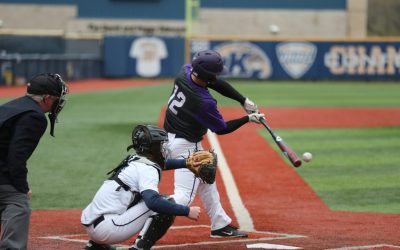
Showcase events have become an important part of the recruiting landscape for softball players across the United States. These events provide student-athletes with opportunities to perform in front of college coaches while demonstrating their athletic abilities in both skill-based drills and competitive game settings.
However, many athletes assume that coaches focus only on statistics, radar gun readings, or highlight-reel moments. In reality, recruiting evaluations often go much deeper. Coaches use showcase events to assess a player’s overall potential, character, athleticism, and long-term fit within their programs.
Understanding what coaches are looking for can help athletes prepare more effectively and maximize their opportunities during the recruiting process. Whether pursuing opportunities through travel softball, tournaments, or NCAA softball recruiting, players who understand the evaluation process often approach showcase events with greater confidence and purpose.
First Impressions Begin Before Competition Starts
Recruiting evaluations often begin before an athlete steps onto the field.
College coaches pay attention to how players conduct themselves throughout the event, including:
- Arrival and preparation
- Warm-up routines
- Interaction with teammates
- Communication with coaches
- Overall professionalism
Athletes who arrive prepared and demonstrate a positive attitude often create favorable first impressions.
Coaches understand that collegiate athletics involves more than athletic performance. They seek players who can contribute positively to team culture while representing their programs professionally.
Because of this, behavior and attitude can influence recruiting evaluations long before the first drill begins.
Athleticism Is One of the First Factors Evaluated
Showcases provide coaches with opportunities to evaluate athletic ability in a controlled environment.
Common measurements may include:
- Running speed
- Throwing velocity
- Agility
- Reaction time
- Defensive range
- Overall athletic movement
These evaluations help coaches determine whether a player possesses the physical tools needed to compete at a particular level.
Athleticism often serves as an initial screening tool during recruiting.
While athletic measurements are important, coaches rarely make recruiting decisions based solely on physical performance. Instead, they use this information as part of a broader evaluation process.
Position-Specific Skills Matter
College coaches carefully evaluate how athletes perform within their primary positions.
For example:
Infielders
Coaches may assess:
- Footwork
- Arm strength
- Defensive consistency
- Range
- Reaction speed
Outfielders
Evaluations often focus on:
- Route efficiency
- Throwing accuracy
- Speed
- Defensive awareness
Catchers
Recruiters frequently analyze:
- Pop times
- Receiving ability
- Leadership
- Throwing mechanics
Pitchers
Important considerations may include:
- Velocity
- Command
- Pitch movement
- Consistency
- Composure
Position-specific evaluations help coaches determine whether a player’s skills align with their program’s needs.
Coaches Look Beyond Statistics
One of the most important softball recruiting tips athletes can understand is that statistics tell only part of the story.
While numbers provide useful information, coaches often focus on qualities that cannot be measured through stat sheets alone.
Examples include:
- Competitive mindset
- Confidence
- Coachability
- Leadership
- Work ethic
- Emotional control
A player who consistently demonstrates these traits may attract significant recruiting attention, even if their statistics are not the most impressive at the event.
Softball requires mental toughness, and coaches actively evaluate how athletes respond to various situations throughout competition.
Game Situations Reveal Valuable Information
Many showcase events include live competition because game situations provide insight that drills alone cannot capture.
During games, coaches evaluate:
- Decision-making
- Situational awareness
- Baserunning instincts
- Defensive positioning
- Communication
- Adaptability
These elements help coaches determine how effectively athletes apply their skills under realistic conditions.
For example, a player may perform exceptionally well during drills but struggle to execute in game situations. Conversely, another athlete may consistently make smart decisions that elevate their overall value despite average measurable statistics.
Game performance often provides a more complete picture of a player’s potential.
Coachability Is Highly Valued
College coaches want athletes who are willing to learn and improve.
Throughout showcase events, coaches frequently observe how players respond to instruction and feedback.
Coachable athletes often:
- Listen attentively
- Apply corrections quickly
- Maintain positive attitudes
- Demonstrate adaptability
- Remain open to learning
Recruiting involves projecting future development, not simply evaluating current performance.
An athlete who demonstrates a willingness to improve may be viewed more favorably than a player who possesses greater natural talent but resists coaching.
This is one reason coachability consistently ranks among the most valued recruiting characteristics.
Academic Potential Still Matters
Although showcase events focus primarily on athletic performance, academics remain an important component of recruiting.
College coaches understand that student-athletes must succeed both academically and athletically.
Strong academic performance can:
- Expand recruiting opportunities
- Improve admissions prospects
- Increase scholarship eligibility
- Demonstrate discipline and responsibility
Many coaches take academic information into account as they evaluate prospects throughout the recruiting process.
Athletes who maintain strong grades often provide coaches with greater flexibility during recruitment discussions.
Consistency Often Outweighs Highlight Moments
Many players enter showcases hoping to produce memorable highlights that attract attention.
While standout moments can certainly help, coaches frequently place greater emphasis on consistency.
They want to know:
- Can the athlete perform reliably?
- Do they maintain effort throughout the event?
- How do they respond after mistakes?
- Are they consistent across multiple evaluations?
A player who demonstrates steady performance throughout an entire showcase often creates a stronger impression than someone who delivers a few exceptional moments but struggles elsewhere.
Consistency provides coaches with greater confidence when projecting future success.
Common Showcase Mistakes Athletes Should Avoid
Several common mistakes can limit recruiting opportunities during showcase events.
Overemphasizing Individual Statistics
Athletes should focus on overall performance rather than obsessing over individual measurements.
Displaying Negative Body Language
Coaches frequently notice how athletes react to adversity and mistakes.
Ignoring Team Dynamics
Softball remains a team sport, and coaches value players who contribute positively to group success.
Failing to Prepare
Athletes should arrive physically and mentally prepared to compete at their highest level.
Avoiding these mistakes can help players make stronger impressions throughout the recruiting process.
Understanding the Complete Evaluation Process
Showcase events provide valuable opportunities for athletes to demonstrate their abilities, but recruiting evaluations involve much more than physical talent alone. College coaches assess athleticism, position-specific skills, game performance, character, coachability, and academic potential when evaluating prospects.
For student-athletes navigating today’s competitive recruiting environment, understanding how coaches evaluate players can lead to more productive showcase experiences. By focusing on both performance and professionalism, athletes can position themselves more effectively while building relationships that may support future recruiting opportunities.
Success during showcase events is rarely defined by one statistic or one highlight. Instead, it often comes from consistently demonstrating the qualities coaches seek in future collegiate athletes.