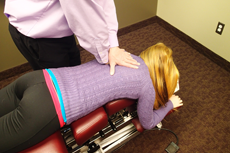




The lower back plays a major role in supporting movement, posture, and everyday activities. From sitting and walking to lifting and exercising, the lumbar region manages a significant amount of physical demand throughout the day. Because of this constant workload, stress in the lower spine can gradually develop and affect how a person moves.
Many people first notice occasional stiffness or discomfort and may try simple approaches such as rest, stretching, or adjusting daily habits. While these methods may support general comfort, some individuals continue experiencing challenges that involve deeper concerns within the lumbar spine.
Understanding when lumbar spine stress may require additional attention can help individuals explore appropriate care options. In Redwood City, CA, people experiencing ongoing lower back concerns often benefit from learning how different approaches, including decompression-focused care, may address specific spinal needs.
Understanding Lumbar Spine Stress
The lumbar spine consists of five vertebrae located in the lower portion of the back. This area supports much of the body’s weight and helps with bending, twisting, and other everyday movements.
Over time, repeated pressure on the lower spine may contribute to changes in mobility and comfort. Factors that can influence lumbar spine stress include:
- Long periods of sitting
- Repetitive lifting or physical tasks
- Poor movement patterns
- Previous injuries
- Reduced core strength or flexibility
- Age-related changes in spinal structures
Because the lower back is involved in many daily activities, even small changes in spinal function can influence movement patterns. Some people may experience occasional symptoms, while others may notice ongoing limitations.
When Traditional Back Care May Not Address the Entire Concern
Many common back care approaches focus on improving flexibility, strengthening supporting muscles, or reducing temporary discomfort. These strategies can be useful depending on the situation, but some individuals may need a more targeted approach when spinal structures are involved.
Signs that additional evaluation may be helpful include:
- Discomfort that continues despite lifestyle changes
- Reduced ability to perform normal activities
- Recurring lower back issues
- Changes in mobility
- Symptoms that interfere with work or exercise routines
A comprehensive assessment allows a chiropractor to better understand what may be contributing to a person’s concerns and determine which care options may be appropriate.
How Lumbar Spine Decompression Works
Lumbar spine decompression focuses on creating controlled space within the lower spine to address pressure-related concerns. The goal is to reduce stress on targeted spinal structures and support improved movement.
During lumbar decompression therapy, a controlled stretching approach is used to gently target specific areas of the lumbar region. This differs from general stretching because the process is structured around the individual’s condition and evaluation findings.
A chiropractor may consider factors such as symptoms, medical history, movement patterns, and overall spinal function before recommending lower spine decompression as part of a care plan.
The Role of Lower Back Decompression for Lumbar Concerns
Lower back decompression is often discussed in relation to conditions involving the discs and structures of the lumbar area. Spinal discs act as cushions between vertebrae, helping absorb stress during movement.
When these structures experience increased pressure, some individuals may notice changes in comfort, flexibility, or physical performance. Lower back decompression may be considered as one option for supporting individuals dealing with certain lower spine concerns.
Awender Chiropractic, they help patients better understand their options for addressing back-related concerns through personalized evaluations and care approaches. Their resources on back conditions explain how working with a chiropractor for back pain can help individuals learn more about possible causes and available treatment approaches.
Conditions Associated With Lumbar Spine Concerns
Different spinal conditions may affect the lumbar region in various ways. While each person’s situation is unique, lumbar decompression therapy may be explored by individuals dealing with concerns related to:
- Disc-related issues
- Lower back stiffness
- Changes in spinal mobility
- Pressure affecting movement
- Recurring lumbar discomfort
A proper evaluation is important because symptoms alone do not always reveal the underlying cause. Understanding the source of the concern can help guide decisions about appropriate care.
What to Expect During a Lumbar Decompression Assessment
Before beginning any decompression-focused approach, patients typically undergo an evaluation to understand their specific condition. This may include discussing daily activities, previous injuries, symptoms, and movement limitations.
The chiropractor may review posture, range of motion, and other physical factors related to lumbar function. This information helps determine whether lumbar spine decompression or another approach may be suitable.
Having a clear understanding of the process allows patients to make informed choices about their care.
Supporting a Healthier Lower Spine Through Awareness
The lower back is involved in nearly every type of movement, making it important to pay attention to changes in comfort and mobility. Recognizing signs of ongoing lumbar stress can help individuals seek guidance before these concerns significantly impact daily activities.
Maintaining healthy movement habits, staying active within personal limits, and understanding available treatment options can all contribute to better spinal awareness.
For those experiencing persistent lower back concerns in Redwood City, CA, learning about approaches such as lumbar spine decompression can provide valuable insight into ways to support mobility and overall spinal function.
 SOLED ADEPPS