



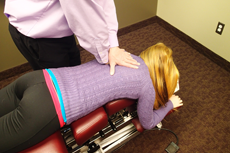
Movement is an essential part of everyday life, from walking and working to exercising and completing household activities. When certain movements become difficult, uncomfortable, or limited, it may affect how a person performs daily tasks and participates in activities they enjoy.
Understanding why movement limitations occur often requires looking beyond the area where discomfort is felt. A chiropractor evaluates how different parts of the body work together, including the spine, joints, muscles, and movement patterns that influence overall function.
For individuals in Mt Pleasant, learning what happens during a movement evaluation can provide a better understanding of how chiropractic care approaches mobility concerns.
Assessing Posture and Body Alignment
One of the first areas a chiropractor may evaluate is posture. How a person stands, sits, and moves can provide important information about how the body distributes stress.
Postural assessments may look at factors such as:
- Head and neck positioning
- Shoulder alignment
- Spinal curves
- Pelvic positioning
- Weight distribution while standing
Small postural changes can develop from everyday habits, including extended computer use, driving, repetitive work activities, or athletic training. Evaluating these patterns helps create a clearer picture of how the body functions during normal activities.
Evaluating Range of Motion
Movement limitations are often identified by examining how freely different areas of the body can move. A chiropractor may observe flexibility, joint mobility, and whether certain movements feel restricted.
Range-of-motion evaluations may involve checking:
- How far a joint can comfortably move
- Differences between one side of the body and the other
- Areas where movement appears limited
- Whether certain motions create discomfort
These observations help identify patterns that may affect daily mobility.
Looking at Movement Patterns
The way a person moves can reveal important information about their overall physical function. A chiropractic evaluation may include observing activities such as walking, bending, twisting, or performing specific movements.
Movement patterns can show whether certain areas of the body are compensating for others. For example, limited mobility in one area may cause another region to work harder to complete a movement.
By understanding these patterns, chiropractic treatment can be better tailored to the individual’s needs and goals.
Understanding the Role of the Spine
The spine plays a major role in supporting stability, movement, and communication between different areas of the body. Because of this, chiropractors often pay close attention to spinal function during evaluations.
A Chiropractic Doctor may assess spinal movement, posture, and surrounding structures when determining factors that may contribute to mobility challenges. They focus on understanding how the spine interacts with the rest of the musculoskeletal system rather than only looking at isolated symptoms.
Evaluating Muscle Balance and Joint Function
Muscles and joints work together to create smooth, coordinated movement. When certain muscles become tight, weak, or overused, they may influence how the body moves.
During an evaluation, a chiropractor may consider:
- Muscle flexibility
- Strength differences
- Joint movement
- Areas of tension
- Repetitive stress from daily activities
These factors can help explain why some individuals experience changes in mobility or difficulty performing certain movements.
Considering Lifestyle and Daily Activities
A person’s daily routine can have a significant impact on movement patterns. A chiropractor may ask questions about work habits, exercise routines, previous injuries, and activities that place stress on the body.
For example, someone who works at a desk may experience different movement challenges compared to someone who performs physical labor or participates in competitive sports.
Understanding lifestyle factors allows chiropractic physicians to consider the broader picture when evaluating mobility concerns.
How Chiropractic Care Supports Movement Goals
Chiropractic care focuses on the relationship between the spine, joints, and nervous system. Based on evaluation findings, a chiropractor may recommend approaches designed to support improved movement and overall function.
A chiropractic physician may use different techniques as part of a personalized care plan, depending on the individual’s condition and goals. These approaches may include adjustments, mobility recommendations, and lifestyle guidance.
The purpose of an evaluation is to better understand how the body moves and identify factors that may influence physical function.
Maintaining Awareness of Movement Health
Movement limitations can develop gradually through everyday habits, repetitive activities, or changes in physical activity levels. Paying attention to posture, mobility, and body mechanics can help individuals become more aware of their overall movement health.
A local chiropractor can provide insight into how different factors may affect mobility and help individuals better understand their options for supporting spinal and musculoskeletal wellness.
For residents of Mt Pleasant, learning how movement evaluations work can be a valuable step toward making informed decisions about maintaining an active and comfortable lifestyle.

 SOLED ADEPPS