


Back pain can worsen during long drives because prolonged sitting limits movement and keeps the lower back, hips, and surrounding muscles in one position. Walking may temporarily ease the discomfort by restoring movement, changing spinal loading, and increasing circulation to muscles that became stiff during the drive.
Why Does Sitting in a Car Aggravate Back Pain?
Driving is different from sitting in a regular chair. A driver must maintain a fixed position, operate the pedals, hold the steering wheel, watch traffic, and periodically rotate to check mirrors or blind spots.
These demands can place uneven stress on the lower back and pelvis. The right leg repeatedly operating the pedals may also keep the hips in slightly different positions, especially during heavy traffic or long commutes.
Prolonged sitting is a recognized factor associated with some cases of lower-back pain. Symptoms may become more noticeable when a person remains seated for an extended period without changing position.
The discomfort does not necessarily mean that driving has damaged the spine. It may reflect stiffness, muscle fatigue, joint sensitivity, disc-related irritation, or another condition that becomes more noticeable during prolonged sitting.
How Does Driving Position Affect the Lower Back?
A vehicle seat can influence how the pelvis and lower spine are positioned. Sitting too far from the steering wheel may cause a driver to reach forward, round the shoulders, and lose contact with the seatback.
Sitting too close may create excessive bending at the hips and knees. A reclined seat can also cause the head and shoulders to move forward while the lower back loses support.
Common driving habits that may contribute to discomfort include:
- Sitting on a wallet or another object
- Leaning toward one side
- Reaching forward for the steering wheel
- Keeping the seat too low
- Driving with the hips lower than the knees
- Holding tension in the shoulders
- Gripping the steering wheel too firmly
These positions may not bother everyone. However, someone with an existing back condition may notice symptoms sooner during a long drive.
Why Can Walking Make the Back Feel Better?
Walking changes the position of the hips, pelvis, and spine with each step. It also activates muscles that remain relatively inactive while sitting.
This gentle movement may reduce temporary stiffness and improve comfort after a long period in the car. Walking is commonly recommended as one way to remain active during an episode of uncomplicated back pain, provided it does not significantly worsen symptoms.
The relief may only be temporary if the underlying contributor remains. For example, symptoms can return when the person sits again, drives home, or remains inactive later in the day.
A pattern in which pain consistently worsens while sitting but improves with movement can provide useful information during an evaluation. It does not, however, identify one specific diagnosis by itself.
Could a Disc or Nerve Be Involved?
Sometimes. Disc-related irritation or pressure on a nerve may cause lower-back pain that becomes more noticeable during prolonged sitting.
A person may also experience:
- Pain traveling into the buttock or leg
- Tingling or numbness
- Burning discomfort
- Leg weakness or heaviness
- Symptoms that worsen with coughing or sneezing
Lumbar nerve irritation can be aggravated by prolonged sitting in some cases, although walking may also worsen certain nerve-related conditions. The way symptoms respond to different positions should therefore be evaluated carefully.
Back pain without leg symptoms can still involve spinal joints, discs, muscles, or connective tissues. An examination is needed to determine which structures are most likely contributing.
Can Tight Hips Contribute to Driving-Related Back Pain?
The hips remain bent throughout a drive. Over time, the muscles around the front of the hips may feel tight, while the gluteal and abdominal muscles remain relatively inactive.
This can make standing upright feel uncomfortable immediately after leaving the vehicle. Some people need several steps before their posture and movement begin to feel normal again.
Hip stiffness does not automatically mean that the hip muscles are the only source of pain. The lower back, pelvis, and hips work together during sitting and walking, so an evaluation should consider the entire movement pattern.
How Can Drivers Reduce Back Strain?
Small adjustments may make long trips more comfortable. The seat should allow the driver to reach the pedals and steering wheel without leaning forward or fully straightening the legs.
The lower back should remain supported by the seat. A small lumbar support may help some drivers, but it should not force the spine into an uncomfortable position.
Additional strategies include:
- Emptying back pockets before sitting
- Adjusting mirrors to discourage slouching
- Keeping both hips against the seat
- Relaxing the shoulders
- Changing position periodically
- Taking walking breaks during longer trips
- Avoiding sudden lifting immediately after driving
Drivers should make seat adjustments before the vehicle begins moving. Comfort measures should never interfere with visibility, vehicle control, or road safety.
When May Chiropractic Therapy Be Considered?
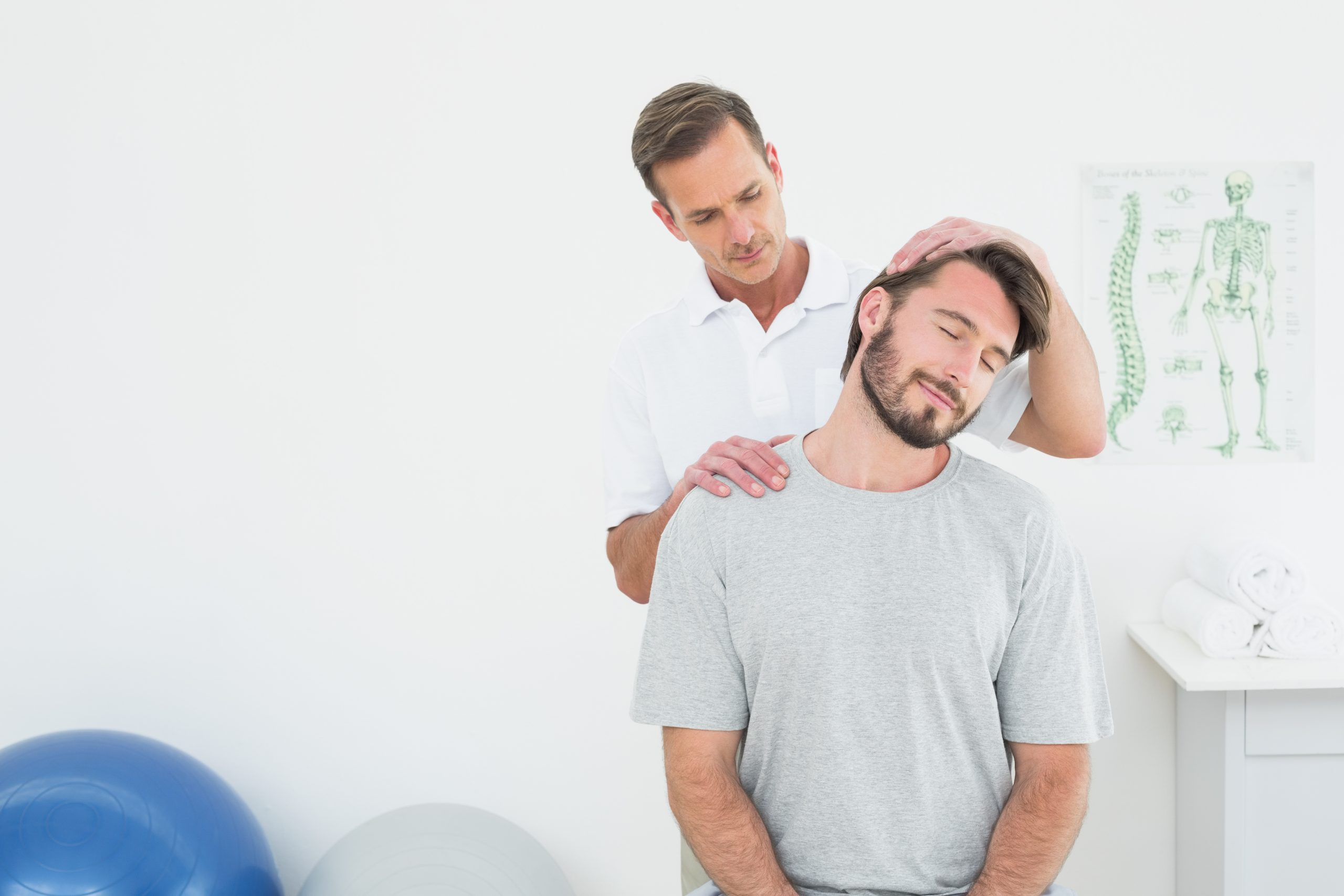
Chiropractic therapy may be considered when back pain repeatedly appears during driving, limits daily activities, or does not improve with reasonable changes to sitting position and movement habits.
A chiropractor may assess spinal and hip movement, muscle function, posture, reflexes, strength, and sensation. They may also ask whether the pain remains in the lower back or travels into the leg.
A back adjustment or spinal adjustment may be considered when restricted joint movement appears relevant and no contraindications are present. Care may also involve exercises, movement guidance, activity changes, or referral for medical evaluation.
Lee Chiropractic offers information about evaluation and conservative care through its resource on consulting aback pain chiropractor. They emphasize examining the patient’s symptoms and contributing factors before recommending care.
When Does Back Pain Need Prompt Medical Attention?
Immediate medical evaluation is important when back pain follows significant trauma or occurs with loss of bladder or bowel control, numbness around the groin, rapidly worsening leg weakness, fever, unexplained weight loss, or difficulty walking.
A person should also seek medical guidance when pain is severe, steadily worsening, or accompanied by new neurological symptoms. Back pain can have many causes, and not every condition is appropriate for chiropractic care.
When Should Irvine Drivers Seek an Evaluation?
Drivers in Irvine, CA, may benefit from an evaluation when pain consistently builds during commuting, improves after walking, and returns whenever they sit again.
Tracking when the discomfort begins, where it travels, and which positions change it can help a chiropractor understand the pattern. A careful assessment can clarify whether the problem is primarily related to prolonged positioning, joint stiffness, muscle fatigue, nerve irritation, or another cause requiring additional care.

 SOLED ADEPPS