


One hip may drop during walking when the muscles and joints on the opposite, weight-bearing side do not stabilize the pelvis efficiently. This pattern may reflect hip weakness, restricted motion, discomfort, fatigue, or compensation elsewhere in the body, but an examination is needed to identify the cause.
What Does It Mean When One Hip Drops?
The pelvis naturally shifts with every step. When one foot leaves the ground, the muscles around the standing hip help keep the pelvis controlled as the body moves forward.
If those muscles do not provide enough support, the side above the lifted leg may dip. Some people also lean their upper body toward the standing leg to compensate, making the walk appear uneven.
A visible drop is sometimes associated with a Trendelenburg gait pattern. However, the movement alone does not identify a specific condition. It may result from weakness, poor coordination, joint irritation, an old injury, or a habit that developed over time.
Which Muscles Help Stabilize the Pelvis?
The gluteus medius and gluteus minimus, located along the side of the hip, help keep the pelvis steady. They work during walking, stair climbing, stepping off a curb, and standing on one leg.
Strength is only part of the picture. The hip must also move comfortably, while the lower back, pelvis, knee, ankle, and foot contribute to balance. A restriction or compensation in one area can change how another area is loaded.
This is one reason the location of discomfort does not always reveal its source. A person may feel symptoms around the knee or lower back even when reduced hip control contributes to the movement pattern.
What Can Cause an Uneven Walking Pattern?
A hip drop may develop because of reduced hip muscle strength, joint stiffness, irritation around the outer hip, or avoidance of pressure on a sensitive leg. Previous knee or ankle injuries can also alter walking mechanics.
Leg-length differences, foot mechanics, lower-back symptoms, and nerve-related weakness may contribute as well. Sometimes the body adopts a temporary compensation following an injury, but the pattern remains after the original symptoms improve.
Fatigue can also make the movement more noticeable. Someone may walk evenly for a short distance but begin leaning or dropping one side after prolonged standing, hiking, running, or climbing stairs.
A us/eful evaluation considers when the movement occurs, whether it changes with speed, and whether it appears with stiffness, clicking, numbness, weakness, or discomfort.
Why Can a Hip Drop Affect Other Areas?
Walking links the hips, legs, feet, pelvis, and trunk. When the pelvis repeatedly tilts, the thigh may rotate differently, the knee may shift inward, and pressure through the foot may change.
The lower back may also work harder to control side-to-side motion. Over time, some people notice hip fatigue, lower-back tension, knee discomfort, or uneven wear on their shoes.
These signs do not prove that the hip drop caused every symptom. They do show why looking at the full movement pattern may be more useful than focusing only on the area that currently feels uncomfortable.
How Is Hip Movement Evaluated?
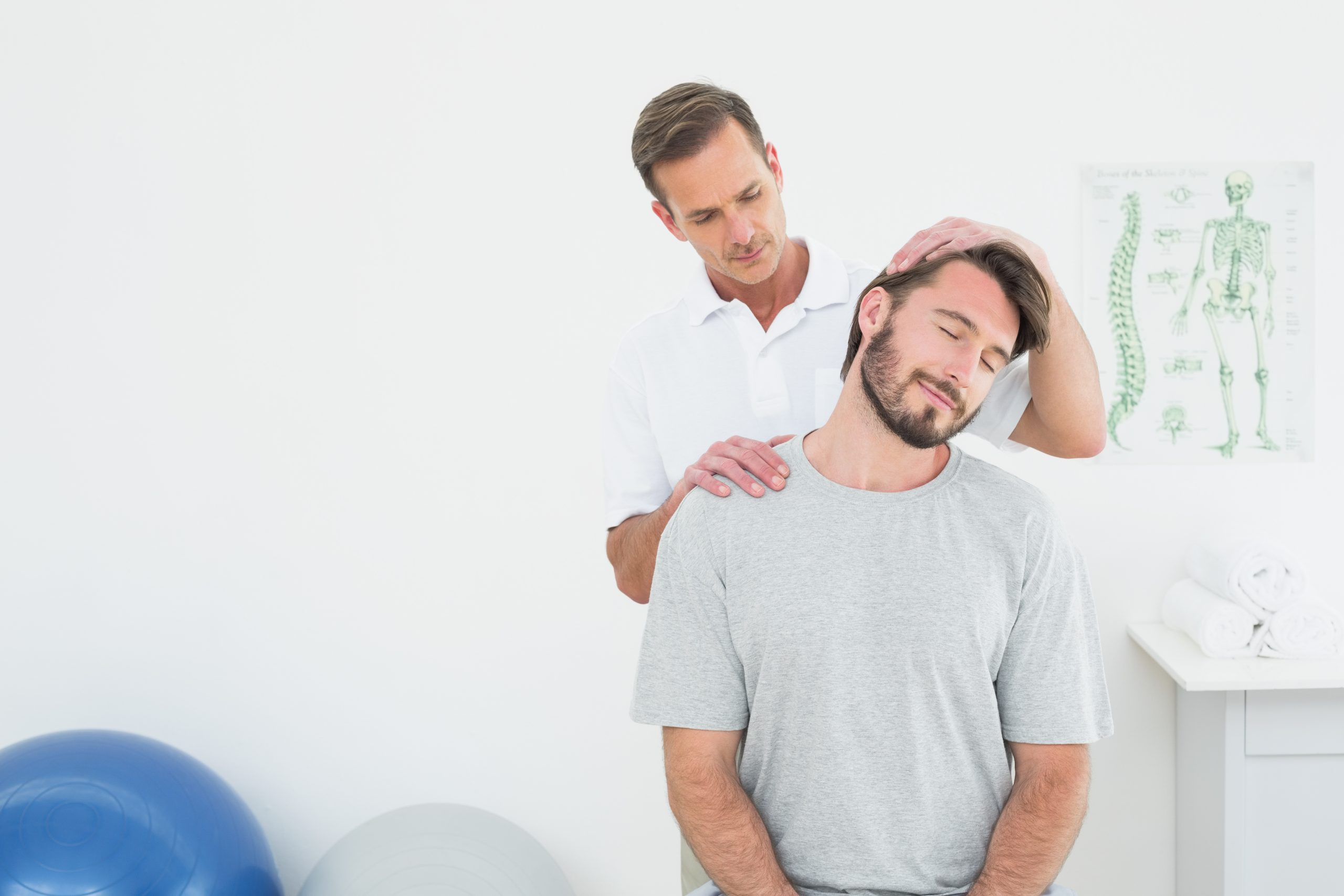
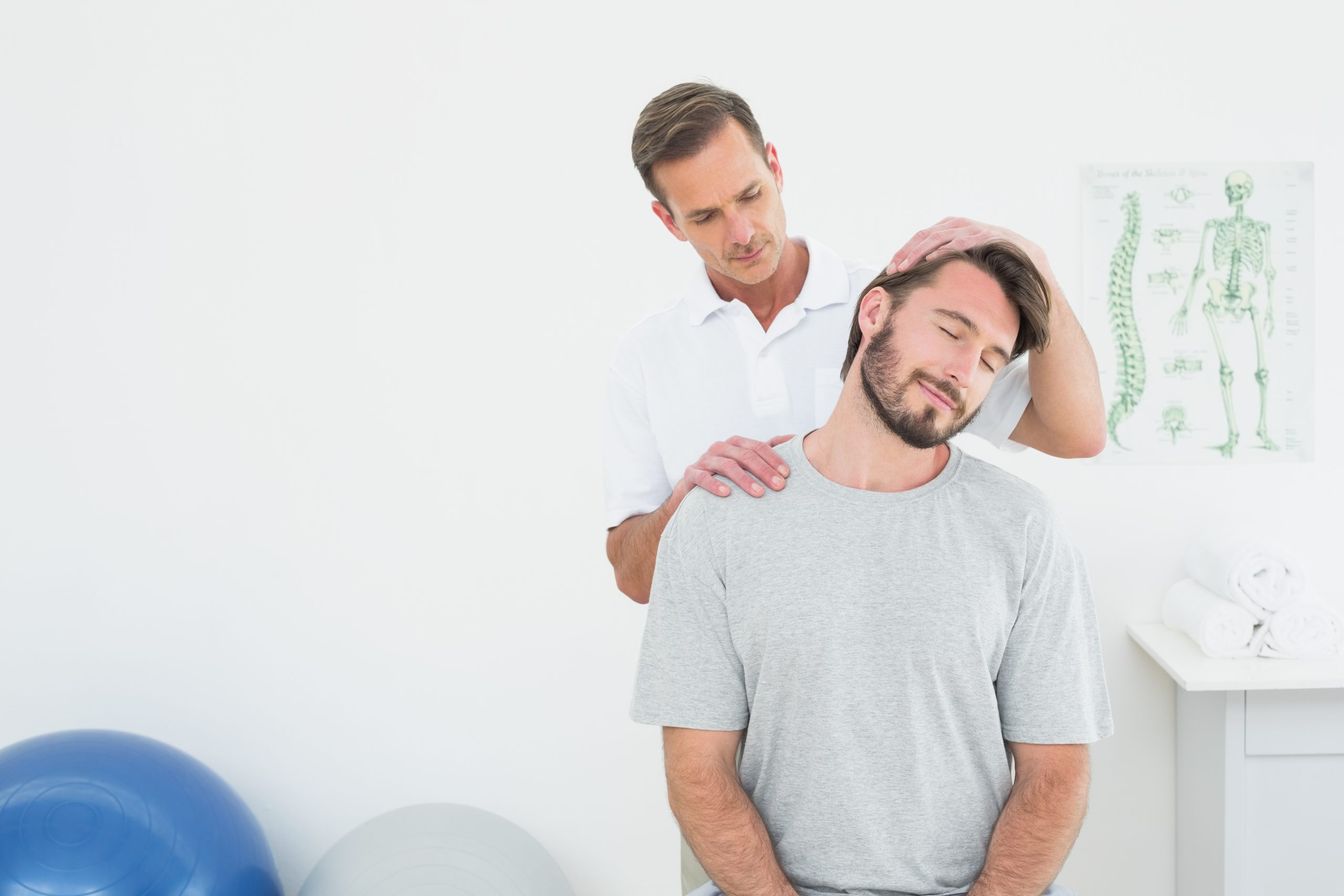
An evaluation may begin with questions about previous injuries, activity level, symptom timing, and recent changes in walking. A provider may observe regular walking, single-leg standing, stepping, squatting, and hip mobility.
They may compare strength, balance, joint movement, and the function of the lower back and pelvis. A corrective chiropractor can use these findings to decide whether chiropractic care is appropriate or whether imaging or a referral should be considered.
People seeking a hip chiropractor in Glendale, AZ, can review how Trinity Advanced Health approaches hip-related concerns. They describe targeted care based on each patient’s condition, movement findings, and mobility needs.
Can Chiropractic Adjustments Help?
Chiropractic adjustments may be considered when restricted motion in the hip, pelvis, or spine contributes to the walking pattern. A chiropractor hip adjustment may help improve joint mobility, but it should not replace strengthening and movement training when weakness is present.
Corrective chiropractic may also include exercises that help the hip muscles tolerate single-leg loading. Recommendations may address balance, mobility, walking mechanics, and a gradual return to normal activity.
A corrective chiropractor may also evaluate whether stiffness elsewhere is causing the body to compensate. For example, reduced ankle movement, limited hip extension, or restricted lower-back motion can influence how the pelvis moves during each step.
The goal is not to force the pelvis into a perfectly level position at all times. Natural movement differs between people. Care should instead focus on meaningful restrictions, symptoms, and functional limitations.
What Can Someone Do at Home?
Trying to consciously hold one hip higher during every step may create unnecessary tension. It is usually better to identify the reason for the movement before making major changes.
Comfortable walking, controlled sit-to-stand movements, and gentle balance practice near a stable surface may be reasonable for some people. Stop if an activity causes sharp discomfort, increasing weakness, loss of balance, or symptoms that travel down the leg.
Suddenly adding resistance bands or challenging single-leg exercises may also aggravate an irritated hip. Exercise selection and progression should match the person’s current strength, balance, and health history.
When Should an Uneven Gait Be Checked?
An evaluation is reasonable when a hip drop persists, becomes more noticeable, affects daily activities, or occurs with recurring hip, knee, or lower-back symptoms.
Prompt medical attention is important when the change begins suddenly or follows a major fall or collision. New leg weakness, inability to bear weight, severe swelling, fever, numbness, or loss of coordination should also be assessed without delay.
What Is the Main Takeaway?
One hip dropping during walking is a movement clue, not a diagnosis. It may reveal reduced hip stability, restricted joint motion, compensation after an injury, or another issue that deserves closer evaluation.
A structured assessment can help determine whether chiropractic adjustments, corrective exercises, medical evaluation, or another approach is appropriate. For people in Glendale, AZ, understanding the reason behind the imbalance is the first step toward moving with greater control.
 SOLED ADEPPS