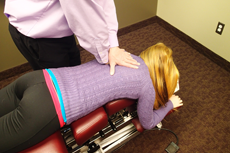




A spine that feels locked up after light household chores may be reacting to joint restriction, muscle guarding, poor movement patterns, or soft tissue tension. Chiropractic care may help evaluate why simple tasks trigger stiffness, back discomfort, or neck tension.
For many people in Fullerton, CA, back or neck discomfort does not always start after heavy lifting or intense exercise. It may appear after folding laundry, sweeping, washing dishes, unloading groceries, vacuuming, making the bed, or reaching into cabinets. These activities seem minor, but they can involve repeated bending, twisting, reaching, and standing in awkward positions.
Why Can Light Chores Make the Spine Feel Locked?
Light chores can make the spine feel locked because small repeated movements can place stress on joints and muscles. The spine is designed to move, stabilize, and adapt. When certain areas are already irritated or restricted, even simple tasks can make the body tighten for protection.
For example, bending over a sink may stress the lower back. Reaching overhead may affect the shoulders and neck. Twisting while carrying a basket may increase strain through the spine and hips. When these movements repeat, the body may respond with stiffness, tightness, or guarded motion.
A chiropractor may look at how the spine, hips, shoulders, and muscles work together instead of only focusing on the sore area.
What Does a “Locked Up” Spine Feel Like?
A locked-up feeling can vary from person to person. Some people describe stiffness that makes it hard to straighten up. Others feel a tight band across the lower back, pressure between the shoulder blades, or neck tension that limits turning.
The feeling may improve after walking around, stretching gently, or resting. However, if it keeps returning after the same activities, there may be a movement pattern that needs attention.
A locked feeling does not always mean the spine is stuck in a literal sense. It often means the body is guarding an irritated area, limiting movement, or compensating for poor joint motion.
How Do Household Chores Affect the Lower Back?
Household chores often require bending, leaning, reaching, and repeated position changes. These movements can irritate the lower back when spinal joints, discs, muscles, or ligaments are already under stress.
Vacuuming can create repeated twisting. Laundry can involve lifting and bending. Cleaning floors may place the spine in a flexed position for longer than expected. Even light objects can feel uncomfortable when lifted with poor mechanics or when the back is already sensitive.
Someone looking for a chiropractor for back pain may not always have severe pain. They may simply notice that routine tasks make their back feel tighter, heavier, or more limited than usual.
Can Neck Tension Come From Light Chores Too?
Yes, neck tension can develop from household tasks, especially when the head stays tilted forward or turned for long periods. Washing dishes, folding clothes, cleaning counters, and looking down while organizing items can all place stress on the neck and upper back.
Neck discomfort may also be connected to shoulder movement. Reaching, scrubbing, or lifting items overhead can increase tension through the shoulders, which may affect the neck.
For Fullerton-area residents, learning more about neck pain chiropractic can help explain how neck movement, upper back mobility, and shoulder mechanics may be connected. Back to Care Chiropractic shares information about conservative care, and they focus on non-invasive support for spinal comfort and movement.
How Can Chiropractic Services Help Evaluate the Problem?
Chiropractic Services may help identify whether household chore discomfort is connected to joint restriction, spinal alignment, muscle tension, or movement compensation. A chiropractor may evaluate posture, range of motion, spinal mobility, and how symptoms respond to certain movements.
This type of evaluation can be helpful because pain is not always felt where the problem begins. Lower back discomfort may be influenced by hip movement. Neck stiffness may be affected by upper back restriction. Shoulder tension may change how the spine handles reaching or lifting.
The goal is to understand how the body moves during real daily tasks.
What Daily Habits May Make This Worse?
Certain habits can make the spine more likely to feel locked after chores. Long periods of sitting, poor sleep position, limited movement, stress, and repetitive work can all make the body less prepared for bending or reaching.
Rushing through chores may also contribute. Quick twisting, leaning with the back instead of the hips, or carrying items unevenly can increase strain. Even if the task is light, the position may still overload sensitive tissues.
Taking short breaks, changing positions, and keeping items closer to the body may reduce unnecessary stress. However, if symptoms keep returning, a deeper evaluation may be needed.
When Should Someone See a Chiropractor?
Someone should consider seeing a chiropractor when stiffness keeps returning, limits daily movement, or causes discomfort during normal activities. Evaluation is also important if pain spreads, becomes more intense, or comes with numbness, tingling, or weakness.
Recurring stiffness after chores may seem small, but it can affect how people move throughout the day. They may start avoiding certain tasks, moving more slowly, or relying on other areas of the body to compensate.
Chiropractic care may help people better understand these movement changes and explore conservative options for support.
What Can Help Before an Appointment?
Before an appointment, it can help to track which chores trigger symptoms. Notice whether discomfort appears during bending, reaching, lifting, twisting, standing, or looking down. It is also helpful to note whether the stiffness improves with walking, stretching, heat, or rest.
People should avoid forcing painful movements or pushing through sharp discomfort. Gentle motion may be helpful, but worsening symptoms should not be ignored.
Clear details about the pattern can help guide a more useful evaluation.
Don’t Let Simple Chores Keep Limiting Your Movement
If light chores keep leaving the spine stiff, guarded, or locked up, it may be time to understand the pattern behind the discomfort. A conservative chiropractic evaluation can help identify whether back tension, neck restriction, or movement habits are involved. For Fullerton residents, learning the cause early may support easier daily movement and better comfort.
 SOLED ADEPPS