Degenerative disc disease (DDD) is a common condition that affects the spine as individuals age, leading to pain, reduced mobility, and diminished quality of life. While DDD is often a part of the natural aging process, its symptoms can be debilitating. Traditional treatments like pain medication or surgery may not always offer long-term relief. For those suffering from DDD, spinal decompression therapy offers a promising, non-invasive alternative that can help alleviate pain and restore function. This blog explores the benefits of spinal decompression therapy for degenerative disc disease and how it can help individuals manage chronic lower back pain.
What Is Degenerative Disc Disease?
Degenerative disc disease refers to the gradual breakdown of the discs between the vertebrae in the spine. These discs act as cushions to absorb shock and maintain spinal flexibility. As people age, the discs can lose hydration and elasticity, causing them to become thinner and less effective at cushioning the spine. This can result in:
- Pain in the lower back or neck
- Numbness or tingling in the arms or legs
- Stiffness or reduced mobility
- Increased risk of herniated discs or bulging discs
While DDD is a natural part of aging, it can lead to significant discomfort. For many individuals, this condition worsens over time, making it difficult to carry out everyday tasks without pain.
How Spinal Decompression Therapy Works for Degenerative Disc Disease
Spinal decompression therapy is a non-invasive treatment that aims to alleviate the symptoms of degenerative disc disease by gently stretching the spine. Using a specialized machine, the therapist applies controlled traction to the spine, creating negative pressure within the affected discs. This process offers several therapeutic benefits for individuals with DDD, including:
1. Reduction of Disc Pressure
One of the main goals of spinal decompression therapy is to reduce the pressure on the discs and surrounding nerves. In degenerative disc disease, the discs between the vertebrae lose their ability to absorb shock and become compressed. Spinal decompression gently separates the vertebrae, creating space between them. This reduces the pressure on the affected discs, promoting healing and alleviating pain.
2. Increased Blood Flow and Nutrient Supply
By creating space between the vertebrae, spinal decompression therapy increases blood flow to the discs. This enhanced circulation helps supply oxygen and nutrients to the damaged discs, promoting regeneration and reducing inflammation. In cases of DDD, this process can slow down the degeneration and improve the disc’s ability to repair itself naturally.
3. Relief from Nerve Compression
As the discs degenerate, they can press on nearby nerves, causing pain, numbness, and tingling in the arms, legs, or lower back. Spinal decompression therapy relieves nerve compression by alleviating pressure on the discs and promoting proper spinal alignment. This can result in significant relief from nerve-related pain and discomfort.
4. Improved Spinal Alignment and Function
Spinal decompression helps realign the spine, improving overall posture and spinal function. By reducing the pressure on the discs and enhancing mobility, decompression therapy can improve the flexibility of the spine, allowing individuals to move more freely and comfortably.
Who Can Benefit from Spinal Decompression Therapy?
Spinal decompression therapy is most effective for individuals with degenerative disc disease, herniated discs, or other conditions that cause chronic lower back pain. It is a viable treatment option for individuals who want to avoid surgery or who have not responded well to traditional pain management techniques, such as medication or physical therapy.
While spinal decompression is generally safe, it may not be suitable for everyone. Individuals with certain health conditions, such as fractures, tumors, or severe osteoporosis, should consult with a healthcare provider to determine if spinal decompression therapy is appropriate for their needs.
For individuals in San Diego, CA, searching for a chiropractor near me to help treat degenerative disc disease, spinal decompression therapy offers an effective and non-invasive solution for pain relief.
What to Expect During a Spinal Decompression Session
Spinal decompression therapy is typically performed over the course of several sessions, depending on the severity of the condition. Here’s what patients can expect during the treatment:
- Initial Consultation: Before beginning spinal decompression therapy, the chiropractor will assess the patient’s medical history and conduct a physical examination to determine the cause of the pain. In some cases, imaging tests (such as X-rays or MRIs) may be recommended to evaluate the condition of the discs.
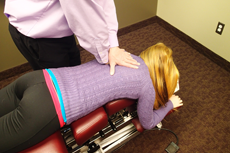
- Treatment: The patient will lie on a specialized decompression table, and a harness will be placed around the pelvis to facilitate gentle traction. The table is then adjusted to create a controlled stretch in the spine. This traction is applied in a series of gentle movements, which may last 20-30 minutes per session.
- Post-Treatment Care: After the session, patients may feel mild soreness, similar to the feeling after a workout. Most patients are able to resume normal activities immediately after treatment, although it is advised to avoid strenuous physical activity.
- Ongoing Sessions: Depending on the severity of the condition, patients may need 15-20 sessions over the course of several weeks to experience the full benefits of spinal decompression therapy. The chiropractor will develop a personalized treatment plan based on the patient’s needs and progress.
How Chiropractic Care Complements Spinal Decompression Therapy
Chiropractic care plays a vital role in the overall treatment of degenerative disc disease. In addition to spinal decompression therapy, chiropractors use manual adjustments to align the spine and relieve pressure on the discs. This holistic approach can improve the effectiveness of spinal decompression therapy, leading to better long-term results.
Chiropractors can also recommend exercises and stretches to strengthen the muscles around the spine, which can help prevent future degeneration and support spinal health.
For those seeking comprehensive care, combining spinal decompression therapy with chiropractic adjustments provides a more holistic approach to treating degenerative disc disease and chronic lower back pain.
How Can Spinal Decompression Therapy Help You?
If you are suffering from degenerative disc disease or chronic lower back pain and are seeking a non-surgical spinal decompression solution, spinal decompression therapy may be the answer. With its ability to reduce pressure on the discs, increase blood flow, and promote healing, spinal decompression offers a safe and effective treatment for individuals looking for lasting pain relief.
If you’re in San Diego, CA, and searching for a trusted chiropractor near me to help manage your herniated disc or degenerative disc disease, Herfindahl Chiropractic offers effective spinal decompression therapy to address your pain.