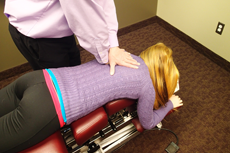
Visiting a chiropractor for the first time can feel unfamiliar for many people, especially those dealing with chronic discomfort, neck stiffness, lower back pain, or posture-related tension. Whether symptoms developed gradually over time or began after an injury, understanding what happens during a chiropractic appointment may help patients feel more prepared and informed before beginning care.
In Beaverton, many individuals seek chiropractic treatment as part of a natural approach to improving mobility, spinal function, and overall wellness. Chiropractic care focuses on the relationship between the spine, nervous system, muscles, and movement patterns to help support long-term physical health.
For first-time patients, the initial appointment often involves several important steps that allow chiropractors to better understand the source of discomfort and develop a personalized care approach.
Discussing Health History and Symptoms
The first portion of a chiropractic appointment usually begins with a detailed discussion about the patient’s health history, current symptoms, and lifestyle habits.
A chiropractor may ask questions related to:
- Areas of pain or stiffness
- When symptoms began
- Daily activities or work routines
- Previous injuries or accidents
- Exercise habits
- Sleep quality
- Posture concerns
- Previous treatments received
This conversation helps chiropractors identify potential factors contributing to discomfort or reduced mobility. Since spinal health can be influenced by repetitive movement patterns, workplace ergonomics, stress, and past injuries, understanding these details is an important part of the evaluation process.
Patients experiencing lower back pain, neck tension, headaches, or radiating discomfort may also discuss how symptoms affect their daily activities and overall quality of life.
Physical Examination and Movement Assessment
After reviewing the patient’s health history, chiropractors typically perform a physical examination to assess posture, spinal alignment, joint mobility, and muscle tension.
The examination may include evaluating:
- Range of motion
- Posture and spinal balance
- Walking patterns
- Muscle tightness
- Joint flexibility
- Reflexes and nerve function
- Areas of tenderness or inflammation
Chiropractors often observe how the body moves during basic motions such as bending, twisting, standing, or walking. These assessments may reveal movement restrictions or postural imbalances contributing to chronic discomfort.
For individuals seeking chiropractic treatment in Beaverton, this evaluation process helps create a clearer understanding of how spinal function may influence overall mobility and wellness.
Reviewing Possible Causes of Discomfort
Once the examination is completed, chiropractors often explain potential causes behind the patient’s symptoms.
Several factors may contribute to spinal discomfort, including:
- Poor posture
- Repetitive strain
- Sedentary work routines
- Sports-related stress
- Disc-related conditions
- Muscle imbalances
- Joint restrictions
- Previous injuries
Understanding these contributing factors allows patients to gain more awareness about how everyday habits may affect spinal health over time.
Many chiropractic care plans focus not only on symptom relief but also on improving movement quality, posture, and long-term spinal support.
Understanding Chiropractic Adjustments
One of the most recognized aspects of chiropractic care is the chiropractic adjustment. Adjustments are designed to improve spinal motion and reduce restrictions within the joints.
During an adjustment, chiropractors use controlled and precise techniques to target areas of reduced mobility or spinal imbalance. Some patients may hear a popping sound during the adjustment, which often results from gas release within the joints.
The goal of chiropractic adjustments may include:
- Improving spinal alignment
- Increasing mobility
- Reducing muscle tension
- Supporting joint function
- Encouraging healthier movement patterns
Many patients report feeling reduced stiffness or improved flexibility following treatment, although responses vary depending on the individual and their condition.
Additional Therapies That May Be Recommended
In addition to spinal adjustments, chiropractors may recommend supportive therapies based on the patient’s condition and overall spinal health goals.
These therapies may include:
- Stretching exercises
- Mobility work
- Postural guidance
- Ergonomic recommendations
- Soft tissue therapies
- Spinal decompression techniques
- Lifestyle modifications
For patients with disc-related conditions or nerve-related discomfort, spinal decompression therapy may sometimes be incorporated into a chiropractic care plan. This non-invasive therapy is designed to gently reduce pressure within the spine and support healthier disc function.
Individuals researching chiropractic care options may explore resources from a trusted chiropractic partner in Beaverton, OR that provides chiropractic treatment and spinal decompression-focused care for chronic neck and back discomfort.
Personalized Care Plans and Follow-Up Visits
Every patient experiences spinal discomfort differently, which is why chiropractic treatment plans are often personalized according to individual needs and goals.
Factors influencing a care plan may include:
- Severity of symptoms
- Duration of discomfort
- Mobility limitations
- Activity level
- Occupational demands
- Overall spinal condition
Some individuals seek chiropractic care for acute pain following injuries, while others pursue ongoing support for posture improvement, flexibility, or long-term wellness maintenance.
Follow-up visits may focus on monitoring progress, improving spinal movement patterns, and supporting healthier body mechanics over time.
What Patients Should Wear to a Chiropractic Appointment
Comfortable clothing is typically recommended for chiropractic visits. Patients are often encouraged to wear loose-fitting attire that allows easy movement during evaluations and adjustments.
Athletic wear, comfortable pants, and flexible clothing are commonly suggested, especially if movement assessments or stretching exercises may be performed during the visit.
Supporting Long-Term Spinal Health
Many people begin chiropractic care after pain starts interfering with everyday life. However, spinal health is closely connected to daily movement habits, posture, and overall physical function.
Several habits may help support spinal wellness between appointments, including:
- Practicing proper posture
- Taking movement breaks during work
- Staying physically active
- Using supportive sleeping positions
- Improving workstation ergonomics
- Stretching regularly
Combined with chiropractic treatment, these habits may help reduce ongoing strain placed on the spine and surrounding muscles.
For many individuals in Beaverton, understanding what happens during a first chiropractic appointment can help remove uncertainty and encourage a more informed approach to managing neck pain, back pain, and mobility concerns naturally.