Maintaining optimal air quality is a growing concern for many factories across the United States. As manufacturing processes become more advanced and production demands increase, ensuring that the air within these facilities remains clean is not just a matter of regulatory compliance—it’s essential for protecting both workers and machinery. Many facility managers and operations professionals are searching for effective solutions to these challenges, often turning to specialized filtration systems. One such solution is the SMC Filter, a device designed to address the dual goals of improving air quality and extending the operational life of factory equipment.
The Importance of Air Quality in Industrial Settings
Airborne contaminants such as dust, oil mist, and particulate matter are common byproducts of industrial processes. Left unchecked, these pollutants can accumulate, posing health risks to employees and causing significant wear and tear on machinery. Poor air quality can lead to increased absenteeism, reduced productivity, and even regulatory penalties. It can also shorten the lifespan of sensitive equipment, resulting in costly repairs and unexpected downtime.
How Filtration Enhances Equipment Performance
Incorporating advanced filters into a factory’s compressed air system is a proactive step toward mitigating these risks. Effective filtration systems remove harmful particles before they reach critical components in production equipment. This not only protects internal mechanisms from abrasion and corrosion but also helps maintain optimal performance levels over time.
Key benefits of using high-quality filters in industrial environments include:
- Reduced Maintenance Costs: Preventing contaminants from entering equipment reduces the frequency of repairs and extends maintenance intervals.
- Enhanced Equipment Longevity: Clean air minimizes the risk of component failure, allowing machinery to operate efficiently for longer periods.
- Consistent Production Quality: By eliminating airborne impurities, filters help ensure that products meet strict quality standards.
The Role of an SMC Filter in US Factories
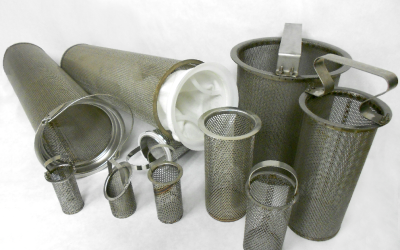
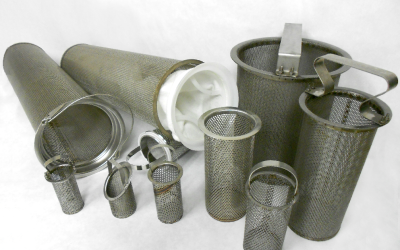
The SMC Filter is engineered to address the specific challenges faced by American manufacturing facilities. Designed for ease of installation and maintenance, it can be integrated seamlessly into existing air systems. Its advanced filtration media capture a wide range of contaminants, from fine particulates to oil aerosols, ensuring that both air quality and equipment integrity are preserved.
Some notable features of this filter include:
- High Filtration Efficiency: Capable of removing even the smallest particles, protecting sensitive machinery and instrumentation.
- Low Pressure Drop: Maintains optimal airflow, ensuring that equipment operates without unnecessary strain or energy loss.
- Durability: Built to withstand the demanding conditions of factory environments, resulting in a longer service life.
Practical Considerations for Implementation
When selecting and installing an industrial air filter, it is important to assess the specific needs of your facility. Factors such as the type of contaminants present, the volume of air processed, and the layout of the production floor all influence the choice of filtration system. Regular monitoring and timely replacement of filter elements are also crucial for maintaining peak performance.
Maximizing the Benefits of Clean Air
Investing in a robust air filtration solution brings immediate and long-term advantages to US factories. Improved air quality leads to healthier working conditions, reduced equipment downtime, and lower operational costs. By proactively addressing airborne contaminants, facility managers can foster a safer, more efficient, and more productive work environment.
Ultimately, integrating the right industrial filter is a smart move for any factory aiming to protect its workforce, safeguard expensive equipment, and comply with evolving industry standards. Clean air is not just a regulatory requirement—it’s a strategic asset that drives operational excellence.