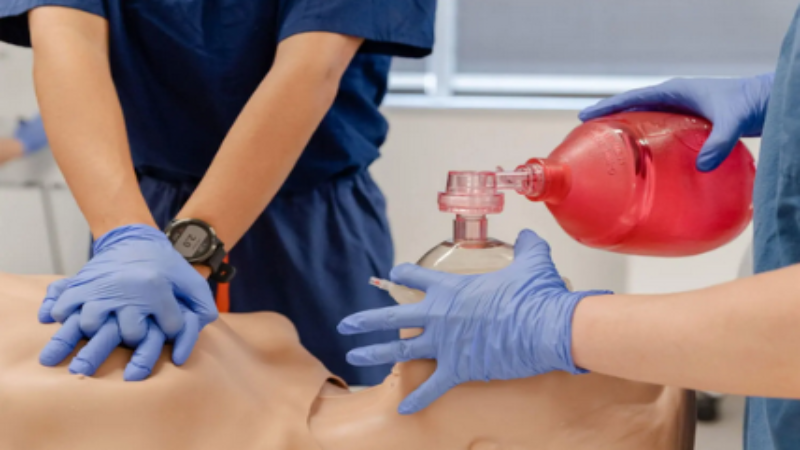
CPR training accommodations are adjustments that help participants with physical disabilities access instruction, practice skills, and complete course activities as fully as possible without changing the essential learning objectives. In Glendale, AZ, participants considering CPR certification can benefit from discussing accessibility needs with the training provider before class so appropriate arrangements can be reviewed in advance.
CPR is a hands-on skill, so accessibility planning may look different from one participant to another. The goal is to make CPR classes as inclusive and practical as possible while still maintaining the requirements associated with the selected course.
What Types of Accommodations May Be Available During CPR Training?
The accommodations that may be appropriate depend on the participant, the course format, the training environment, and the skills that must be demonstrated.
Possible adjustments may include:
- Additional time to move between training activities
- Accessible seating or positioning
- Modified classroom layouts
- Clearer access to CPR manikins and AED trainers
- Scheduled breaks when needed
- Verbal clarification of demonstrations
- Alternative positioning during instruction when appropriate
Not every accommodation will be suitable for every class. Some CPR certification courses require participants to demonstrate specific physical skills, so it is important to discuss individual needs directly with the course provider.
The best approach is usually to communicate early rather than wait until the day of the class.
Why Should Participants Discuss Accessibility Before CPR Classes?
Advance communication gives both the participant and the training provider time to understand what may be needed.
CPR classes often involve movement between lecture, demonstration, practice, and skills-testing areas. If a participant uses a wheelchair, has limited mobility, experiences fatigue, or has difficulty kneeling or changing positions, those factors may affect how the class should be set up.
By discussing these needs beforehand, the provider may be able to arrange the room differently, allow additional transition time, or explain how required skills will be evaluated.
This also helps participants know what to expect before arriving.
A training provider should be able to explain which parts of the course involve physical demonstration, what equipment is used, and what requirements must be completed for certification.
Can Someone With Limited Mobility Still Take CPR Training?
In many cases, yes.
A physical disability does not automatically prevent someone from participating in CPR training. However, the degree of participation and the available accommodations depend on the specific course and the skills that need to be completed.
For example, some participants may be able to perform certain CPR skills from a modified position, while others may need additional guidance to determine how they can participate safely.
The important point is that each situation should be considered individually.
Participants should avoid assuming they cannot take a course based only on mobility limitations. Instead, they can contact the training provider, explain their needs, and ask what options are available.
Those exploring cpr certification in Arizona can also ask about course formats, physical requirements, and accommodations before registering.
How Can Instructors Make CPR Training More Accessible?
Good communication is one of the most important parts of accessible CPR instruction.
Instructors can explain demonstrations clearly, allow participants to ask questions, and avoid rushing through physical skills. They can also make sure the training area is arranged in a way that allows participants to move safely and access the equipment.
Visual demonstrations can be paired with verbal explanation, which may help participants understand each step before attempting the skill themselves.
Instructors should also avoid making assumptions about what a participant can or cannot do. Two people with similar disabilities may have very different levels of mobility, strength, endurance, or preferred ways of learning.
A respectful conversation usually provides more useful information than trying to predict someone’s limitations.
Do CPR Certification Requirements Still Apply With Accommodations?
Yes. Accommodations are intended to improve access to instruction, not remove essential course requirements.
Depending on the CPR certification course, participants may need to complete required knowledge checks, demonstrate CPR techniques, and show that they can use an AED correctly.
The exact requirements vary by course.
This is one reason participants should ask specific questions before registration. They should understand both the accommodations that may be available and the skills they will be expected to demonstrate.
Clear expectations make it easier for participants to decide which CPR training option is appropriate for their goals.
Are Some CPR Class Formats More Accessible Than Others?
Different formats may work better for different participants.
Traditional classroom instruction provides direct access to an instructor and may allow questions or adjustments during the session. Some programs may also offer blended learning, where part of the coursework is completed online before an in-person skills session.
For someone who experiences fatigue, difficulty sitting for long periods, or challenges traveling to a classroom, the structure of the course may make a significant difference.
However, participants should confirm that the format they select meets any certification requirements associated with their employer, profession, or organization.
Convenience should not be the only consideration. The course should also provide the instruction and skills evaluation needed for the intended purpose.
What Questions Should Participants Ask Before Registering?
Before enrolling in CPR classes, participants can ask practical questions such as:
- Is the classroom wheelchair accessible?
- How much movement is required during the course?
- Will CPR skills be practiced on the floor?
- Can the instructor discuss alternative positioning?
- Are breaks available when needed?
- What physical skills must be demonstrated for certification?
- Is blended learning available?
- How long does the in-person skills session typically last?
These questions can help participants understand whether the course environment is a good fit.
They also help training providers prepare in advance instead of trying to make last-minute changes after the class has started.
How Can Glendale Participants Prepare for CPR Training?
Participants in Glendale can start by identifying their learning and accessibility needs, then contacting the training provider before registering.
They should describe any mobility limitations or other physical considerations that may affect CPR practice and ask how the provider handles accommodations.
It is also useful to review the course description carefully so there are no surprises regarding hands-on activities or certification requirements.
CPR training should be practical, structured, and as accessible as possible while preserving the skills the course is designed to teach.
Before enrolling, contact the training provider to discuss accessibility needs, course requirements, and available options so you can select a CPR class that supports both participation and successful skills completion.