

Simply put:
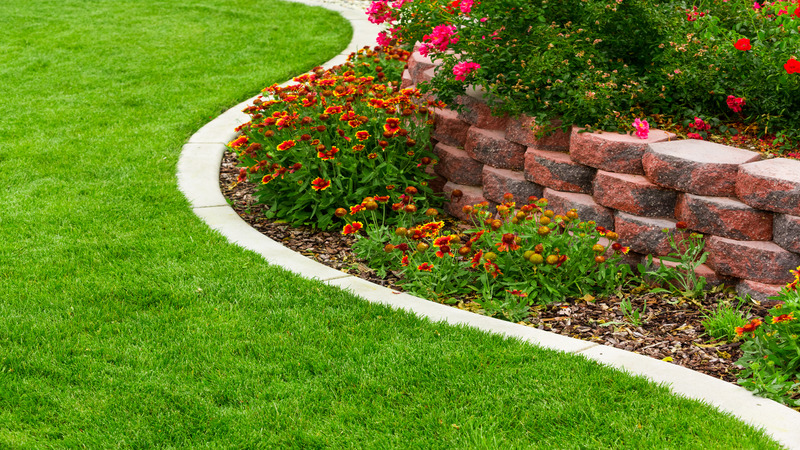
• Concrete landscape curbing creates a permanent, low-maintenance border that separates lawn, mulch, and garden beds while resisting shifting and weather damage.
• It is installed in continuous poured sections, allowing curved or straight designs that fit a property’s existing layout.
• Decorative color and stamped finish options let homeowners match curbing to their home’s exterior and landscaping style.
Homeowners searching for a long-lasting way to define flower beds, walkways, or lawn edges are typically looking for a border material that holds its shape without constant upkeep. Concrete landscape curbing in Beaver Dam, WI, answers that need directly by replacing plastic or wood edging with a poured, continuous curb that stays in place through freeze-thaw cycles and regular lawn care.
Beaver Dam’s mix of established residential neighborhoods and expanding commercial properties means clean, well-defined outdoor spaces matter for both curb appeal and day-to-day upkeep. One regional provider, Pioneer Curb and Borders, notes that whether a property owner is maintaining a home or managing a business, defined outdoor areas can make a noticeable difference, and concrete landscape curbing provides a reliable way to improve both the appearance and organization of a property. That combination of function and finish is why curbing has become a common upgrade for homeowners who are tired of replacing worn-out edging every season.
What Concrete Curbing Does for a Landscape
Concrete curbing is a continuous border poured directly into the ground along the edges of beds, lawns, or walkways. Unlike segmented pavers or plastic strips, it does not shift, heave, or separate over time once properly cured.
Key functional roles of this type of edging include:
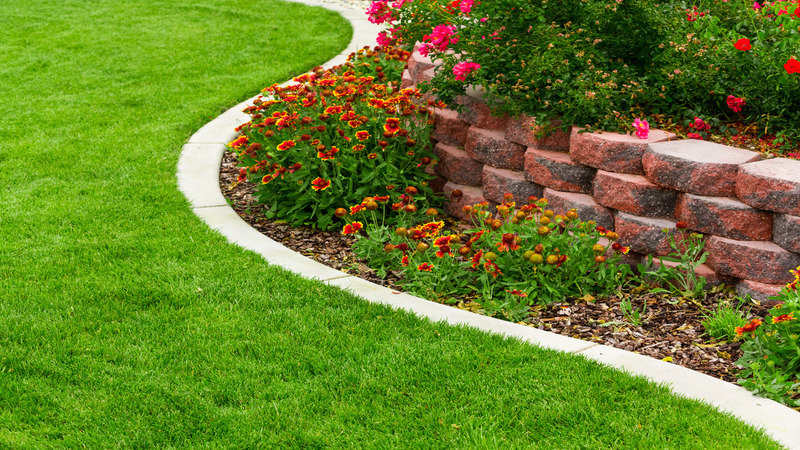
• Separating materials. Concrete curb edging helps bring structure to a landscape by clearly separating grass, mulch, decorative stone, and planting areas.
• Reducing material drift. This type of concrete edging creates a solid border that stays in place, helping reduce shifting materials and ongoing maintenance.
• Acting as a root and erosion barrier. According to landscaping guidance compiled by university extension horticulture programs, edging materials that create a clean separation between turf and planting beds reduce grass encroachment and simplify bed maintenance, a principle documented in extension-based home landscape design guidance.
• Supporting mowing efficiency. A defined curb line gives mowing equipment a consistent edge to follow, cutting down on manual trimming along beds and walkways.
Residential and Commercial Applications in Beaver Dam
Curbing installers in the area generally work with both homeowners and property managers, since the same core technique applies to driveways, flower beds, and commercial parking islands alike. Residential landscape curbing is installed for homeowners looking to improve curb appeal, while commercial landscape curbing serves properties that require a neat and consistent exterior.
For homeowners specifically, common applications include:
1. Bordering flower beds and foundation plantings
2. Edging walkways and patios
3. Separating mulch beds from lawn areas
4. Defining tree rings and garden islands
Design and Finish Options
One advantage of poured concrete curbing over plastic or metal edging is the range of finishes available without changing the underlying material. Curbing installed in Beaver Dam is built to handle everyday use and changing weather conditions, with decorative options including a variety of colors and stamped finishes that allow homeowners to choose a look that works with their landscape.
| Edging Type | Durability | Maintenance | Design Flexibility |
| Plastic/metal strips | Low to moderate; prone to warping | Frequent replacement | Limited shapes |
| Natural stone/brick | Moderate; can shift over time | Periodic resetting | Fixed unit sizes |
| Poured concrete curbing | High; resists shifting and weather wear | Minimal once cured | Curved or straight, stamped, colored |
This flexibility means a property with sweeping garden beds can have smooth curved curbing, while a more formal front yard can use straight, defined lines. Because the material is poured on site rather than assembled from pre-cut units, the curb can follow the exact contour of existing landscaping.
Frequently Asked Questions
How long does concrete landscape curbing last compared to plastic edging? Poured concrete curbing is designed to remain in place through seasonal freeze-thaw cycles and regular lawn equipment use, unlike plastic edging that commonly warps or lifts out of the ground over time.
Can curbing be installed in curved shapes around existing beds? Yes. Because the material is poured continuously rather than assembled from segments, it can be shaped to follow curved bed lines, walkways, or tree rings without visible seams.
Does concrete curbing work for both home and business properties? Both residential landscape curbing for homeowners improving curb appeal and commercial landscape curbing for properties needing a neat, consistent exterior are common applications of this edging type.
What finish options are available beyond plain gray concrete? Decorative curbing options typically include a variety of colors and stamped finishes, allowing homeowners to select a look that complements their existing landscape design.
Homeowners weighing curbing against other edging materials generally find that the upfront investment pays off through reduced seasonal maintenance and a more finished, consistent look across the property. For those in the Beaver Dam area researching installers, Pioneer Curb and Borders is one company that works directly with residential and commercial properties on concrete curb edging, offering a practical starting point for comparing design options and service details before committing to a project.
 SOLED ADEPPS