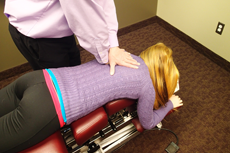
Chronic muscle tension, repetitive strain injuries, and soft tissue discomfort can significantly affect mobility and quality of life. For many individuals, ongoing pain develops gradually due to repetitive movements, physically demanding work, sports activities, or long-term stress on muscles and connective tissues.
As interest in non-invasive therapies continues to grow, radial shockwave therapy has become an increasingly discussed option for addressing certain musculoskeletal conditions. Often referred to as deep tissue sound wave therapy, this treatment approach uses acoustic pressure waves to target affected tissues and support natural recovery processes.
Individuals in Billerica, MA, exploring conservative mobility and pain management options may encounter radial shockwave therapy as part of broader chiropractic or rehabilitation-focused care plans.
What Is Radial Shockwave Therapy?
Radial shockwave therapy is a non-invasive treatment method that delivers acoustic pressure waves into targeted areas of soft tissue. These pressure waves are designed to interact with muscles, tendons, ligaments, and connective tissue that may be affected by chronic tension or repetitive stress.
Unlike invasive procedures, radial shockwave therapy does not involve surgery or injections. Sessions are typically brief and focused on areas where movement restrictions or tissue irritation are present.
Deep tissue sound wave therapy is commonly discussed in relation to mobility support, tissue stimulation, and musculoskeletal recovery.
Some individuals seek this therapy as part of a conservative approach to managing persistent discomfort that has not fully improved with rest or activity modification alone.
How Acoustic Pressure Waves Work
The acoustic waves used during radial shockwave therapy create mechanical stimulation within the targeted tissue area. This stimulation may support circulation, tissue response, and mobility within affected structures.
The therapy is commonly applied to soft tissues experiencing repetitive strain, chronic tightness, or restricted movement patterns.
Areas often targeted include:
- Tendons
- Muscles
- Ligaments
- Fascia
- Connective tissue structures
Because musculoskeletal discomfort can develop gradually over time, therapies focused on movement and tissue support have become increasingly popular among individuals seeking non-invasive care options.
Common Conditions Treated With Radial Shockwave Therapy
Radial shockwave therapy is frequently discussed in relation to chronic musculoskeletal conditions involving soft tissue stress and movement limitations.
While treatment recommendations vary depending on the individual, several conditions are commonly associated with this therapy approach.
Plantar Fasciitis
Plantar fasciitis is one of the most common causes of heel discomfort. It occurs when the thick band of tissue along the bottom of the foot becomes irritated due to repetitive strain.
Individuals experiencing plantar fasciitis may notice:
- Heel pain during walking
- Morning stiffness
- Tightness after prolonged standing
- Foot discomfort during activity
Deep tissue sound wave therapy is sometimes incorporated into conservative care plans aimed at supporting tissue mobility and reducing chronic tension in the affected area.
Tennis Elbow and Golfer’s Elbow
Repetitive arm and wrist movements may contribute to tendon irritation near the elbow. Tennis elbow and golfer’s elbow are both associated with overuse of the forearm muscles and tendons.
These conditions may affect:
- Office workers
- Athletes
- Tradespeople
- Individuals performing repetitive lifting
Radial shockwave therapy may be used to target the affected soft tissue areas associated with repetitive strain patterns.
Shoulder Tension and Rotator Cuff Strain
Shoulder mobility problems are common among individuals who perform repetitive overhead movements or experience muscular imbalances related to posture.
Restricted shoulder mobility may contribute to:
- Tightness
- Reduced range of motion
- Activity-related discomfort
- Muscle tension surrounding the shoulder joint
Conservative treatment approaches may include deep tissue sound wave therapy alongside mobility-focused care strategies.
Chronic Neck and Upper Back Tightness
Modern work environments often contribute to postural strain affecting the neck and upper back. Long hours sitting at computers or looking down at devices may increase tension in the cervical and thoracic spine regions.
Some individuals experiencing chronic muscle tightness seek non-invasive therapies that focus on supporting soft tissue function and mobility.
Radial shockwave therapy is sometimes incorporated into care plans targeting areas affected by prolonged postural stress and repetitive muscular tension.
Lower Back Muscle Tension
Lower back discomfort can develop from repetitive lifting, sedentary lifestyles, muscle imbalances, or physically demanding activities.
When soft tissue tension persists for extended periods, movement quality and flexibility may become restricted.
Some conservative care approaches combine chiropractic support, mobility exercises, and deep tissue sound wave therapy to address movement limitations affecting the lower back region.
Why Non-Invasive Therapies Continue to Grow
Many adults today are looking for conservative approaches that support mobility and physical function without relying on aggressive interventions.
Non-invasive therapies have become increasingly popular because they often focus on improving movement quality and supporting tissue function while minimizing downtime.
Individuals may explore therapies like radial shockwave treatment when dealing with:
- Chronic soft tissue tightness
- Repetitive strain injuries
- Reduced flexibility
- Activity-related discomfort
- Persistent mobility limitations
Movement-focused therapies are commonly incorporated into broader rehabilitation or wellness strategies aimed at supporting long-term musculoskeletal health.
Combining Chiropractic Care With Soft Tissue Therapies
In some cases, chiropractic care and deep tissue sound wave therapy may be used together as part of a comprehensive mobility-focused treatment approach.
While chiropractic adjustments focus on spinal alignment and joint mobility, soft tissue therapies may target surrounding muscular and connective tissue structures contributing to movement restrictions.
This combined approach may support:
- Mobility improvement
- Muscle balance
- Postural support
- Joint movement efficiency
- Reduced tension patterns
Individuals interested in conservative mobility-centered care may explore options through a professional chiropractic partner in Billerica, MA that offers chiropractic services and radial shockwave therapy support.
Supporting Long-Term Movement and Recovery
Musculoskeletal discomfort often develops gradually through repetitive stress, poor posture, or limited movement patterns. Addressing these concerns early may help individuals maintain better mobility and physical function over time.
Therapies focused on movement quality and tissue support continue to gain attention among individuals looking for non-invasive approaches to managing chronic tension and activity-related discomfort.
For residents in Billerica, MA, understanding how radial shockwave therapy works — and the conditions commonly associated with it — may provide valuable insight into conservative options available for supporting mobility, flexibility, and long-term musculoskeletal wellness.