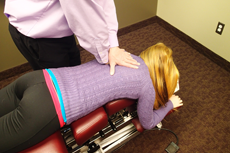
Rib cage mobility and mid-back movement are closely connected because the ribs attach to the thoracic spine and move with breathing, rotation, bending, and reaching. For women over 50, age-related changes in joint mobility, muscle strength, activity levels, and posture may make stiffness through this region more noticeable.
The thoracic spine includes the middle portion of the back, where the ribs connect to the vertebrae. Because the rib cage contributes to the stability and movement of this area, changes in one can influence how the other moves.
What Does Rib Cage Mobility Mean?
Rib cage mobility refers to the ability of the ribs and surrounding joints and muscles to move during breathing and everyday activities. The ribs are not completely fixed structures. They move slightly as the chest expands and contracts and as the upper body bends or rotates.
Good mobility does not mean having an unusually flexible rib cage. It means the thoracic region can move comfortably enough for normal activities without excessive stiffness or restriction.
When movement becomes limited, someone may notice difficulty rotating the upper body, reaching overhead, turning while driving, or taking a comfortable deep breath.
Why Can Rib Cage Mobility Change After Age 50?
Aging can affect the chest wall, muscles, joints, and thoracic spine. Research has documented age-related changes in rib shape and increased stiffness within the chest wall.
However, age alone does not determine how mobile someone will be. Daily habits can also make a difference.
A woman who remains physically active may experience different mobility than someone who spends much of the day sitting. Previous injuries, arthritis, muscle weakness, osteoporosis, exercise habits, and repetitive activities may also affect the way the mid-back and rib area feels.
Changes tend to happen gradually, which means a person may not immediately recognize that their upper body is rotating or extending less than it once did.
How Can Limited Rib Mobility Affect Mid-Back Movement?
The ribs connect directly with the thoracic vertebrae. As a result, rib cage structure contributes to the stability and available movement of the thoracic spine.
If this region becomes less mobile, the body may begin finding movement elsewhere. For example, a person trying to turn may rely more heavily on the lower back or neck if the mid-back is not rotating comfortably.
This does not mean limited rib movement automatically causes pain. However, repeated compensation may contribute to muscle fatigue, tightness, or uncomfortable movement in some individuals.
Everyday tasks that can reveal limited mid-back mobility include:
- Turning to look behind while driving
- Reaching into a high cabinet
- Putting on a jacket
- Carrying groceries
- Gardening
- Playing golf or tennis
- Getting in and out of bed
- Rotating during exercise
Recognizing these patterns can provide useful information about where movement may be limited.
Can Breathing and Rib Mobility Be Connected?
Yes. The rib cage expands and changes position during breathing, so breathing and chest-wall movement naturally occur together.
People sometimes notice that a stiff upper back makes a deep breath feel less comfortable. Conversely, spending much of the day taking shallow breaths while sitting in a fixed position may mean the chest and thoracic area experience less movement.
Breathing exercises may encourage gentle rib movement, but breathing difficulty should never automatically be assumed to be a musculoskeletal problem. Shortness of breath, chest pain, dizziness, or unexplained breathing changes require appropriate medical evaluation.
What Daily Habits May Affect the Mid-Back?
Repeated routines can influence how much the thoracic spine moves throughout the day.
Long periods of sitting may reduce opportunities for rotation and extension. Frequent phone or tablet use can also encourage prolonged forward positioning through the upper body.
Other habits may include carrying bags on the same side, avoiding overhead movements, sleeping in one position, or reducing physical activity because of previous discomfort.
Rather than trying to maintain one perfect posture, changing positions frequently may be more practical. Walking, reaching, rotating gently, and participating in appropriate strength and mobility activities can expose the body to a wider variety of movement.
How Can Chiropractic Care Address Mid-Back Mobility?
A chiropractor can evaluate how the thoracic spine, ribs, shoulders, neck, and surrounding muscles move together. An assessment may include range of motion, posture, muscle tension, daily activities, and health history.
Chiropractic care may include adjustments, mobility guidance, movement recommendations, or suggestions for modifying activities that repeatedly strain one area.
For women interested in a broader family chiropractic approach in Tucson, Synergy Wellness considers individual movement patterns and daily habits when developing their care recommendations.
Treatment should be adapted to the person rather than based on age alone. Women with osteoporosis, previous fractures, recent injuries, or other health conditions should communicate those concerns before receiving care.
What Can Women Over 50 Do to Maintain Mid-Back Movement?
Maintaining movement does not require complicated exercises. Small habits practiced regularly can help the thoracic region move through a comfortable range.
Useful strategies may include taking breaks from prolonged sitting, walking regularly, gently rotating the upper body, maintaining appropriate strength training, and changing positions throughout the day.
Women should choose activities that match their current health and physical ability. Any movement that causes sharp pain, significant dizziness, numbness, weakness, or worsening symptoms should be stopped and evaluated appropriately.
When Should a Chiropractor Evaluate Mid-Back Stiffness?
An occasional feeling of stiffness may improve after changing position or moving around. An evaluation may be helpful when limited movement becomes persistent, keeps returning, or interferes with activities such as driving, exercising, sleeping, dressing, or reaching.
A chiropractor can help determine whether the restriction appears related to joint movement, muscle tension, everyday habits, or another factor requiring further evaluation.
Mid-back discomfort accompanied by chest pain, difficulty breathing, significant weakness, fever, or symptoms following a serious injury should receive prompt medical attention.
Support Comfortable Movement as You Age
Rib cage mobility is one part of maintaining comfortable upper-body movement after age 50. Regular activity, strength, varied movement, and attention to persistent stiffness can all contribute to staying active as daily physical needs change.
Women experiencing recurring mid-back stiffness or difficulty rotating and reaching can schedule an evaluation with a qualified chiropractor in Tucson, AZ, to better understand their movement and discuss appropriate next steps.