Parking lot striping should be reconfigured when the existing layout no longer matches how vehicles, pedestrians, tenants, or customers actually use the property. Repainting is appropriate when the layout still works, but redesigning may be necessary when traffic flow, parking demand, access points, or site conditions have changed.
For commercial properties in Phoenix, AZ, striping is more than a finishing detail. It helps organize how vehicles move through the site and can influence how efficiently a parking lot functions after paving, repairs, or other pavement work.
When Is Repainting Existing Lines Enough?
Repainting is usually sufficient when the parking layout still serves the property well and the primary issue is faded markings.
Over time, striping can lose visibility because of traffic, weather exposure, maintenance work, and normal surface wear. If stall dimensions, directional arrows, loading zones, and traffic paths still make sense, refreshing the existing markings may be the most practical approach.
The key question is whether the current layout still supports the property’s present-day use.
If the answer is yes, there may be no reason to change it.
What Changes Can Make an Existing Parking Layout Outdated?
Commercial properties rarely remain exactly the same throughout the life of their pavement.
A retail center may gain new tenants. A warehouse may receive more deliveries. An office property may add reserved spaces or change building access. A medical facility may experience different traffic patterns than it did when the parking lot was originally striped.
Changes that may justify reconfiguration include:
- Increased customer or employee traffic
- Different vehicle sizes using the property
- New loading or delivery areas
- Modified entrances or exits
- Added pedestrian routes
- Changes to tenant occupancy
- New pavement or concrete work
- Repeated congestion in specific areas
In these cases, repainting the same layout can preserve an arrangement that no longer fits the site.
How Can Traffic Flow Indicate That Striping Needs to Change?
Drivers often reveal problems in a parking layout through their behavior.
If vehicles regularly cross striped areas, make difficult turns, queue in drive aisles, or travel against intended traffic directions, the issue may be more than faded paint.
A reconfigured layout can sometimes improve circulation by changing stall orientation, directional markings, turning areas, or internal traffic paths.
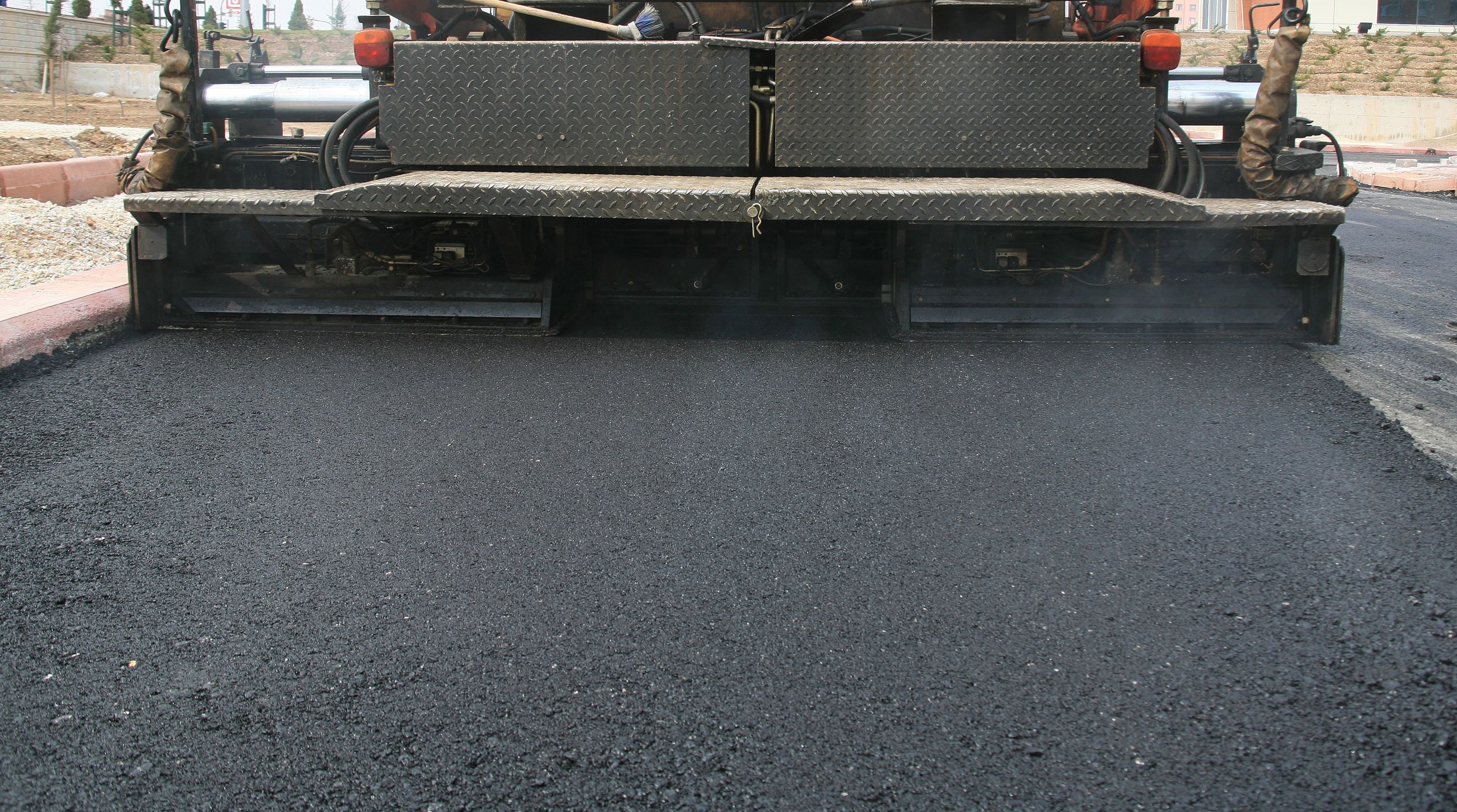
This is especially relevant after commercial parking lot paving or major resurfacing work because those projects create an opportunity to reassess how the space is organized rather than automatically recreating an outdated pattern.
ALK Asphalt LLC provides commercial parking lot paving and related pavement work in the Phoenix area, where striping can be coordinated with broader parking lot improvements.
Should Striping Be Reconsidered After Parking Lot Repair?
Sometimes.
Localized parking lot repair can alter portions of the pavement surface, particularly when work affects entrances, drive lanes, parking stalls, or transitions near concrete.
If repairs are minor and the layout still functions properly, restriping the original markings may be appropriate.
However, if multiple sections have been repaired over time or the property has changed significantly since the original striping plan was created, a broader review may be useful.
Repeated repairs can also leave a parking lot with newer and older pavement sections that no longer align neatly with the original markings.
Can Parking Demand Affect Whether the Layout Should Be Reconfigured?
Yes.
A parking lot that consistently has unused areas in one section and congestion in another may benefit from a closer look at how spaces are allocated.
This does not necessarily mean adding as many stalls as possible. Efficient parking design also needs to account for circulation, turning movements, pedestrian access, delivery areas, and the types of vehicles using the property.
For property managers, the goal should be to make the pavement support actual site operations.
That approach aligns striping decisions with broader commercial asphalt maintenance rather than treating paint as an isolated task.
Why Should Striping Be Coordinated With Asphalt Work?
Striping is usually most effective when it is planned after major pavement work is complete.
If new markings are applied before patching, paving, sealing, or other commercial paving services, they may need to be removed or repainted shortly afterward.
Coordinating the work can help avoid duplicated effort.
A common project sequence may involve:
- Evaluating pavement condition
- Completing necessary asphalt repairs
- Performing paving or surface maintenance
- Reviewing the final layout
- Applying new striping
This order allows the finished markings to reflect the final pavement configuration.
How Does Commercial Asphalt Condition Influence Striping Decisions?
The condition of the commercial asphalt underneath the markings matters.
A parking lot with widespread cracking, deteriorated patches, or upcoming paving work may not be ready for final striping. Repainting lines over pavement that will soon be repaired can create unnecessary repetition.
Property managers should consider both immediate appearance and planned maintenance.
If substantial work is expected soon, it may be more efficient to coordinate striping with that project rather than treating the fading lines separately.
Does Phoenix Weather Make Striping Maintenance More Important?
Phoenix parking lots are exposed to intense sunlight and prolonged periods of high temperatures.
The National Weather Service reports that Phoenix averages about 111 days per year with temperatures of 100°F or higher based on 1991–2020 climate normals. Those conditions contribute to a demanding environment for pavement surfaces and markings alike.
While weather alone does not determine whether striping should be redesigned, it reinforces the value of regular pavement inspections and coordinated maintenance.
What Should Property Managers Review Before Repainting?
Before automatically following the old lines, property managers should consider a few practical questions.
Does traffic move through the site smoothly? Are delivery vehicles able to maneuver without crossing parking stalls? Have entrances, tenants, or building uses changed? Are sections of the parking lot scheduled for repair? Do pedestrians naturally follow routes that differ from the original layout?
If the existing pattern still works, repainting may be appropriate.
If several of those answers indicate operational changes, reconfiguration may provide a better long-term result.
When Is Reconfiguration the Better Choice?
Parking lot striping should be reconfigured when the property itself has changed enough that the old layout no longer supports safe, organized, and efficient use.
For Phoenix commercial properties, the best time to evaluate that question is often alongside commercial paving services, repair work, or other planned pavement maintenance.
Instead of treating striping as a routine repainting task every time lines fade, property managers can use each maintenance cycle as an opportunity to confirm that the layout still reflects how the property is actually being used.