


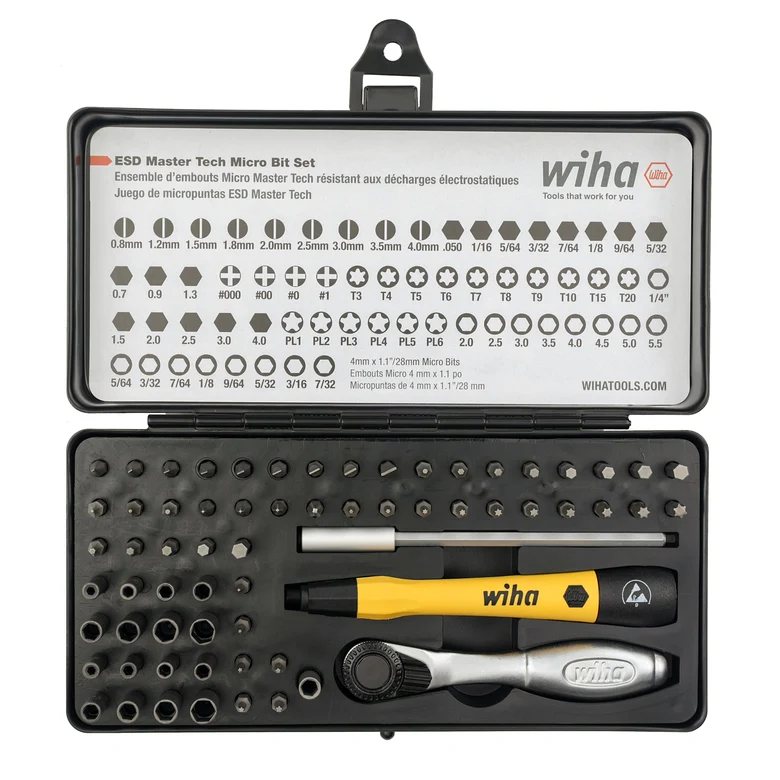
A missing socket can turn a quick repair into a frustrating search through drawers, boxes, and workbench clutter. A well-planned storage setup keeps tools visible and easier to return after each job. If you’re comparing options online, searching for a Foam tool organizer can help you find fitted trays designed to give sockets and other small tools a dedicated place.
Why organized sockets save time
Sockets are easy to misplace because they come in many sizes and often look alike. When they’re jumbled together, finding the right one may mean checking several pieces or interrupting a repair to search the garage. A fitted tray makes gaps noticeable, so you can quickly see which sizes are present and which need to be returned.
Organization also helps protect tools. Sockets rubbing against loose hardware can become scratched, while a tidy drawer reduces the chance of pieces spilling onto the floor. For anyone who works on vehicles, appliances, bicycles, or household projects, a consistent system makes routine tasks smoother.
Choose a layout that fits your work
Start by taking stock of the sockets you own. Separate them by drive size, measurement system, or type—such as deep and standard sockets—depending on how you use them. Keeping metric and SAE sets distinct can prevent mix-ups, while arranging each group from smallest to largest makes selection more intuitive.
Before choosing a tray, measure the drawer or cabinet where it will sit. Check both its interior dimensions and usable depth, and leave room to lift the tray out if needed. A layout that fits your storage space is more likely to stay in use than one that forces you to rearrange the entire workbench.
Consider how often you reach for each set, too. Place everyday sockets in an easy-to-access drawer and less-used specialty pieces elsewhere. If your collection is still growing, leave a little space for additions rather than filling every slot immediately.
Set up the tray for quick identification
Once you have a suitable tray, arrange sockets in a pattern that makes sense at a glance. Keep related pieces together and orient them consistently, with size markings easy to read. If the tray has labeled positions, confirm that each socket is in the correct spot before relying on the labels.
A simple inventory can make the setup even more useful. Write down the sizes in each section or mark the tray where labels are hard to see. This is especially helpful when several people share the garage or when you move tools between a workbench and a service cart.
Keep the system working
A storage system only helps if tools return to their assigned places. Make putting sockets away part of finishing a job: wipe off grease, check for damage, and replace each piece in its slot. A quick visual scan can reveal an empty position before the next project begins.
Every few months, review the arrangement. Remove duplicates you no longer need, make room for new sizes, and clean debris from the tray and drawer. If the organizer shifts during use, add a non-slip liner or adjust how it sits in the cabinet.
A clear layout, a good fit, and a consistent return routine can make a garage drawer far more dependable. With sockets easy to identify and missing pieces easy to spot, you’ll spend less time searching and more time getting the job done.
 SOLED ADEPPS