


Connecting a new irrigation system to existing plumbing requires evaluating the property’s water supply, available pressure, pipe capacity, and necessary protective components before installation begins. A properly planned connection helps ensure that the irrigation system receives an appropriate water supply without interfering with the home’s existing plumbing needs.
For homeowners in Peoria, AZ, adding a sprinkler or drip irrigation system can involve more than extending a pipe from an existing water line. The connection must account for the number of watering zones, the flow requirements of the selected equipment, and applicable plumbing and backflow protection requirements.
Understanding these considerations before installation can help prevent pressure problems, inconsistent watering, leaks, and avoidable modifications. It also gives homeowners a clearer picture of what an irrigation professional should evaluate before connecting new equipment to an established water supply.
Why Should Existing Plumbing Be Evaluated Before Irrigation Installation?
An existing plumbing system was originally configured to serve the property’s current water demands. Adding an irrigation system introduces another demand that may operate at different times and require a different flow rate than household fixtures.
Without evaluating the available supply, a new system may not receive enough water to operate its sprinkler heads or drip irrigation components as intended.
A preliminary assessment should consider:
- The location and size of the available water connection
- Existing pipe material and condition
- Available water pressure
- Expected irrigation flow requirements
- Other household water demands
- The proposed location of irrigation equipment
These details help determine whether the existing connection can support the additional demand or whether modifications are necessary.
For example, a home with several bathrooms, outdoor water features, and an established irrigation system may have a different available capacity than a property with fewer water-consuming fixtures. The important consideration is not simply how much water enters the property, but how much can be supplied to the new irrigation system under actual operating conditions.
How Does Water Pressure Affect a New Irrigation System?
Water pressure influences how effectively an irrigation system distributes water. Sprinkler heads and drip irrigation components are designed to operate within particular pressure ranges, so the available supply must be compatible with the selected equipment.
If pressure is too low, sprinkler heads may not achieve their intended spray patterns or coverage distances. Drip irrigation components may also deliver water inconsistently when the system does not receive the pressure required for proper operation.
Excessive pressure can create different problems, including misting from sprinkler heads, increased stress on connections, and uneven water application.
What Is the Difference Between Static and Operating Pressure?
Two measurements are particularly useful when evaluating a property’s water supply.
Static pressure refers to water pressure when no water is flowing through the measurement point. It provides an initial indication of the pressure available in the plumbing system.
Operating pressure, sometimes called dynamic pressure, is measured while water is flowing. It shows how pressure changes under actual demand.
The distinction matters because a property may have adequate static pressure but experience a significant drop when multiple fixtures or irrigation zones operate.
An irrigation assessment should therefore consider operating conditions rather than relying exclusively on a pressure reading taken when the system is inactive.
Can Existing Water Pipes Support Additional Irrigation Demand?
The size and condition of existing plumbing pipes influence how much water can move through the system. Connecting a new irrigation line to an unsuitable pipe may restrict flow or create pressure fluctuations.
Pipe capacity depends on several factors, including:
- Internal pipe diameter
- Pipe material and condition
- Total length of the supply line
- Number and type of fittings
- Elevation changes
- Expected water flow
A smaller pipe may create more resistance when supplying a system with substantial flow requirements. Long pipe runs and numerous fittings can also contribute to pressure loss.
For this reason, irrigation planning should include an evaluation of the proposed connection point and the route between the water source and irrigation equipment.
Homeowners should not assume that a nearby outdoor faucet or existing plumbing connection can automatically support a complete sprinkler system. Its suitability depends on measured supply conditions and the requirements of the proposed installation.
What Is Backflow Prevention and Why Is It Important?
Backflow prevention protects potable water supplies from contamination caused by water flowing in the wrong direction. An irrigation system can introduce potential contaminants into connected plumbing through fertilizers, soil particles, and other substances that may enter irrigation lines.
Under certain pressure conditions, water can move backward through a connection instead of continuing in its intended direction. This creates a potential cross-connection between the irrigation system and the property’s drinking water supply.
What Causes Backflow in Irrigation Systems?
Two common conditions can cause backflow:
Backpressure: This occurs when pressure on the irrigation side becomes greater than the pressure in the potable water supply. For example, a pump or elevated water source may create pressure that pushes water backward toward the supply connection.
Backsiphonage: This occurs when pressure in the potable water supply drops below the pressure in the connected irrigation system. A water main break, nearby firefighting activity, or other supply interruption may create conditions that allow water to be drawn backward.
Both situations demonstrate why backflow protection must be considered before connecting irrigation equipment to existing plumbing.
Which Backflow Protection Components May Be Required?
The appropriate backflow prevention assembly depends on the property’s plumbing configuration, irrigation equipment, local requirements, and potential contamination risks.
Common assemblies include:
- Pressure Vacuum Breaker (PVB): Designed to protect against backsiphonage under specified installation conditions.
- Reduced Pressure Principle Assembly (RP): Provides protection against both backpressure and backsiphonage and is commonly used where a higher level of protection is required.
- Double Check Valve Assembly (DC): Provides protection against backpressure and backsiphonage in applications where the applicable regulations permit its use.
These assemblies are not interchangeable in every situation. Their suitability depends on the type of cross-connection, installation conditions, and governing plumbing requirements.
In Peoria, homeowners should have the applicable requirements evaluated before connecting a new irrigation line. The selected assembly must be appropriate for the installation and positioned so that required testing, inspection, and maintenance can be performed.
How Should Sprinkler and Drip Irrigation Systems Be Connected?
Sprinkler systems and drip irrigation systems have different water delivery characteristics. Although both can connect to an existing water supply, their flow requirements, pressure conditions, and equipment configurations are not necessarily the same.
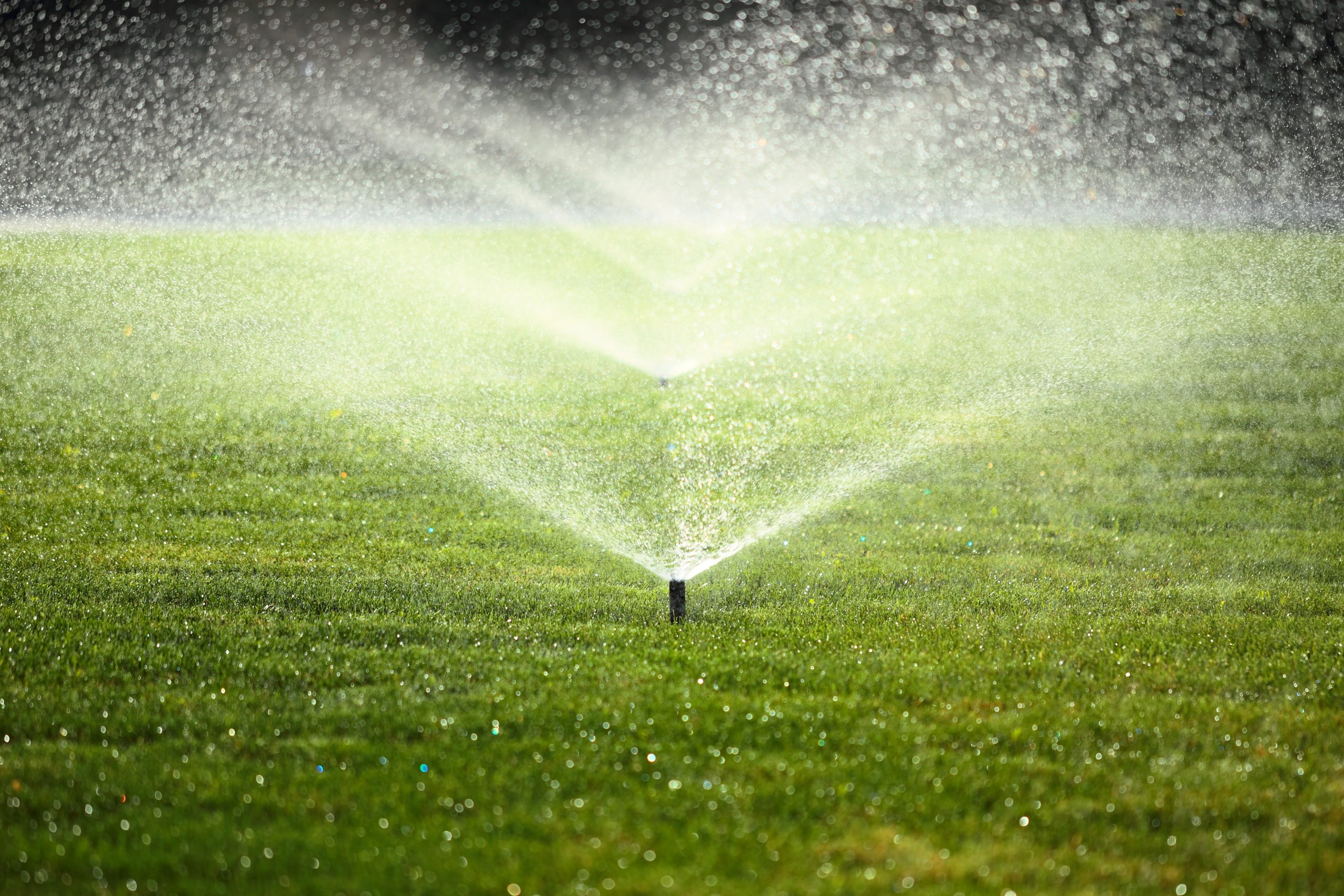
A sprinkler system generally distributes water through spray heads or rotors across designated landscape areas. Its operation depends on the number of heads running within a zone, their flow rates, and the pressure available at each head.
Drip irrigation delivers water through tubing and emitters positioned near plants. Many drip systems require pressure regulation and filtration to maintain appropriate operating conditions and reduce the risk of clogged emitters.
What Should Be Considered When Connecting Sprinkler Equipment?
A new sprinkler system should be evaluated according to the number of heads, their individual flow requirements, and the expected demand of each watering zone.
Important considerations include:
- Whether the available water supply can support the planned zone demand
- Whether the pipe size is appropriate for the expected flow
- Whether pressure remains within the equipment’s operating range
- Whether the selected valves are compatible with the system
- Whether the irrigation controller can operate the planned zones
These factors influence how the system is divided and how its components function together.
For properties with several lawn areas, separate zones may be necessary to manage water demand and accommodate different landscape conditions.
What Should Be Considered for Drip Irrigation Connections?
Drip irrigation systems commonly include components that prepare incoming water for delivery through smaller tubing and emitters.
Depending on the system, these may include:
- A filter to reduce particles entering the irrigation lines
- A pressure regulator to maintain suitable operating pressure
- Distribution tubing sized for the intended layout
- Emitters selected according to plant watering requirements
- Appropriate valves and connection fittings
The filter and pressure regulator must be selected according to the manufacturer’s specifications and system requirements.
For homeowners considering a new Irrigation installation, understanding these differences helps establish realistic expectations about the equipment and plumbing modifications involved.
How Does Irrigation Zoning Affect the Existing Water Supply?
Irrigation zoning divides a property into separate watering sections that can operate independently. This arrangement helps accommodate differences in plant requirements, landscape size, and water demand.
However, each zone also places a demand on the available water supply. The system must be designed so that the components operating together do not exceed the available flow and pressure.
For example, a property may have a lawn zone with several sprinkler heads and separate planting zones using drip irrigation. These areas may require different operating pressures and flow rates, making it important to organize the system appropriately.
Why Should Not All Irrigation Components Operate Together?
Different irrigation components may have different flow requirements and operating characteristics. Running too many components simultaneously can exceed the capacity of the supply connection.
This can lead to:
- Reduced sprinkler coverage
- Inconsistent emitter output
- Pressure fluctuations
- Poor watering distribution
- Increased stress on system components
Dividing equipment into appropriately sized zones helps manage these demands. The final arrangement should be based on measured supply capacity rather than assumptions about how much water the property can provide.
What Plumbing Conditions Should Be Checked Before Installation?
The condition of existing plumbing can influence how safely and reliably a new irrigation system is connected.
Before installation, an assessment should identify visible signs of deterioration, existing leaks, unsuitable fittings, and other conditions that may affect the proposed connection.
Several areas deserve attention.
Pipe Material and Compatibility
Existing properties may contain different pipe materials depending on when the plumbing was installed and whether previous modifications were made.
New fittings and connection components must be compatible with the existing pipe material and suitable for the intended application. Using incompatible materials or improper joining methods can create leaks or premature connection failures.
Existing Leaks and Corrosion
An irrigation connection should not be added without considering the condition of the existing plumbing. Corroded fittings, damaged pipes, and unresolved leaks can affect the reliability of the new installation.
Addressing these conditions before connecting additional equipment helps prevent existing problems from becoming more difficult to identify later.
Connection Accessibility
Valves, shutoff points, filters, pressure regulators, and backflow assemblies may require periodic inspection or servicing.
Their locations should allow adequate access without unnecessary obstruction from landscaping, walls, or other outdoor features. Proper accessibility also makes it easier to isolate the irrigation system when maintenance or plumbing work is required.
Why Should Local Plumbing and Irrigation Requirements Be Reviewed?
Irrigation connections must comply with applicable plumbing, cross-connection control, and backflow prevention requirements. These requirements can vary depending on the water provider, property configuration, and type of irrigation equipment being installed.
Homeowners in Peoria should consider the following before approving a new connection:
- Whether the proposed connection requires a backflow prevention assembly
- Which backflow assembly is acceptable for the specific application
- Whether permits or inspections are required
- Whether the installation must be tested by an appropriately qualified professional
- Whether the water provider has additional cross-connection requirements
These details are important because installing a backflow device does not automatically establish compliance. The assembly must be suitable for the hazard, installed correctly, and maintained according to applicable requirements.
A qualified irrigation contractor can help identify the relevant installation considerations and coordinate the work with plumbing professionals when necessary.
What Should Homeowners Expect During a Professional Irrigation Installation?
A professional irrigation project generally begins with an evaluation of the property and its existing water supply. This allows the installation plan to account for actual site conditions instead of relying on assumptions about the plumbing system.
Although the process varies by property, several stages are commonly involved.
1. Property and water supply assessment
The existing connection, water pressure, pipe condition, and available flow are evaluated. The landscape is also reviewed to determine the areas that require irrigation.
2. System planning and equipment selection
The irrigation layout is developed according to the property’s watering requirements. Sprinkler heads, drip components, valves, controllers, and other equipment are selected based on system needs.
3. Connection and installation
The new irrigation supply is connected using compatible materials and appropriate protective components. Piping and other equipment are installed according to the approved layout and applicable requirements.
4. System testing
The completed installation is checked for leaks, pressure issues, proper valve operation, and appropriate water distribution. Each zone should be evaluated under operating conditions.
5. Controller setup and homeowner guidance
The irrigation controller is configured according to the installed system and landscape requirements. Homeowners should understand how the zones operate, how to identify common performance issues, and when professional servicing may be necessary.
Following these stages helps ensure that the new system is evaluated as a complete installation rather than simply an additional connection to an existing pipe.
How Can Homeowners Prepare for an Irrigation Installation Project?
Homeowners can make the planning process more straightforward by gathering basic information about their existing plumbing and landscape.
Useful information includes:
- The approximate location of the main water supply and outdoor connections
- Known plumbing modifications or previous irrigation installations
- Existing pressure or water flow concerns
- Areas that need new sprinkler or drip irrigation coverage
- Planned landscaping improvements that may affect equipment placement
It is also helpful to identify underground utilities and existing landscape features before excavation begins. Irrigation piping should be routed with consideration for electrical lines, other underground services, foundations, and established outdoor structures.
Homeowners should communicate any known plumbing concerns before installation so the appropriate assessments can be completed.
A properly planned connection considers both the new irrigation equipment and the existing infrastructure it depends on.
Conclusion: Plan the Water Connection Before Installing a New Irrigation System
Connecting a new irrigation system to existing plumbing requires more than identifying a convenient water source. Water pressure, available flow, pipe capacity, backflow protection, equipment compatibility, and local requirements all influence whether the proposed connection is appropriate.
For homeowners in Peoria, AZ, reviewing these factors before installation can help prevent avoidable plumbing complications and support more consistent irrigation performance. A professional assessment also helps determine whether the existing water supply can accommodate the planned system or whether modifications are needed.
Before beginning an irrigation project, consult a qualified irrigation professional to evaluate your existing plumbing and determine the appropriate installation approach for your property.
About HS Irrigation and Landscape Lighting
Based in Peoria, Arizona, HS Irrigation and Landscape Lighting focuses on residential and commercial irrigation, sprinkler systems, drip irrigation, and landscape lighting. They are licensed, bonded, and insured under Arizona ROC License #356613 and can be reached at (623) 414-2567. Property owners can also Find their office on Google Maps for location information.

 SOLED ADEPPS
 Alexander Martin