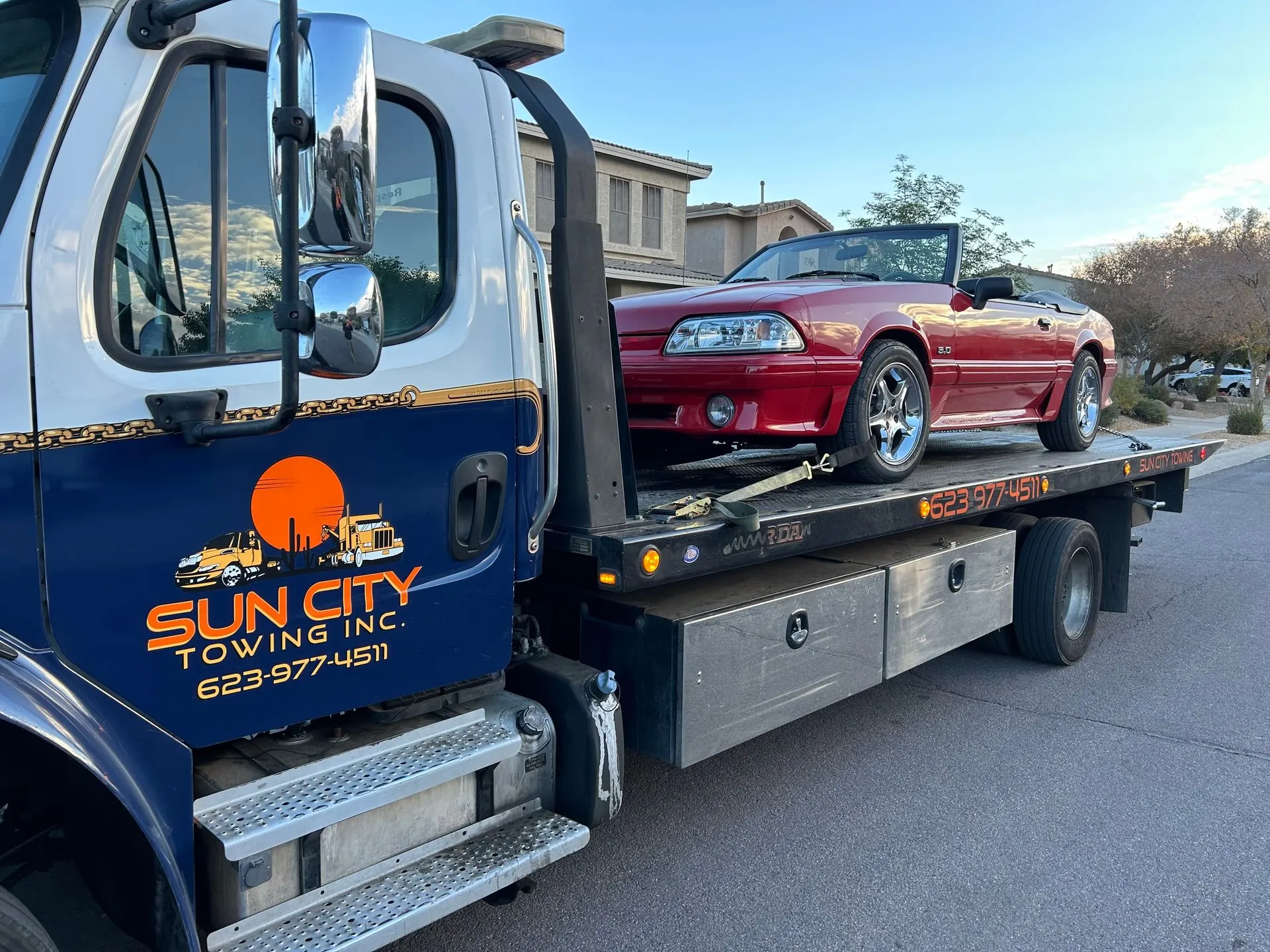

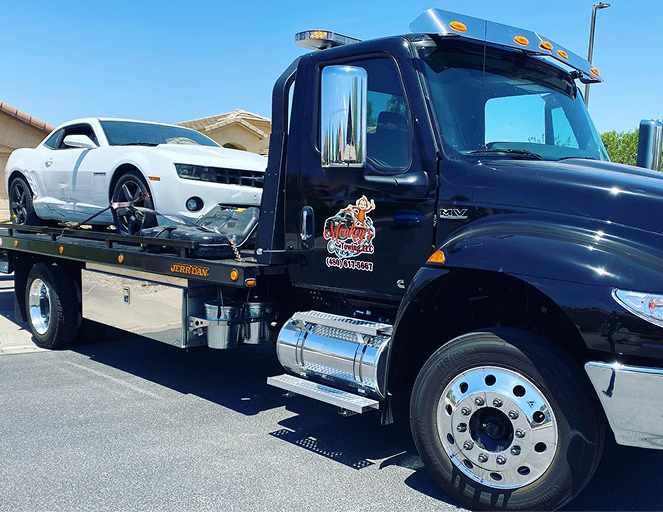
A coolant leak may require emergency towing when the engine begins overheating, coolant escapes rapidly, or the vehicle can no longer maintain a safe operating temperature. Continuing to drive under these conditions can cause serious engine damage, making professional vehicle transportation a safer alternative.
Not every puddle beneath a vehicle indicates a major mechanical failure. However, a suspected coolant leak should not be ignored, especially when accompanied by dashboard warnings, steam, or unusual engine temperatures.
For drivers in Laveen, AZ, understanding the difference between a minor concern and a potentially serious cooling-system failure can help prevent an inconvenient breakdown from becoming a more expensive mechanical problem.
What Does Engine Coolant Do, and Why Do Leaks Matter?
Engine coolant helps regulate operating temperatures by absorbing heat and transferring it through the vehicle’s cooling system.
As an engine operates, its components generate substantial heat. Coolant circulates through designated passages, carrying heat toward the radiator, where it can be released into the surrounding air.
When coolant escapes through a damaged component, the system may lose fluid and pressure needed for effective temperature regulation.
A small leak may initially produce few noticeable symptoms. A more substantial leak can quickly interfere with the cooling system’s ability to control engine temperature.
The seriousness of the problem depends on several factors, including the source of the leak, how much coolant has been lost, and whether the engine has already overheated.
Because these conditions are difficult to assess accurately from the driver’s seat, professional inspection is important when a coolant leak is suspected.
What Are the Warning Signs of a Serious Coolant Leak?
A cooling-system problem may produce several warning signs before a vehicle becomes completely disabled.
Recognizing these symptoms can help drivers avoid continuing a trip when the engine may be at risk.
Rising Engine Temperature
An increasing temperature gauge is one of the clearest indications that a cooling-system problem may be developing.
Some vehicles display a traditional temperature gauge, while others use warning lights or digital messages.
If the temperature climbs beyond the normal operating range, the engine may no longer be cooling effectively.
An overheating warning should be treated seriously rather than dismissed simply because the vehicle still accelerates and responds normally.
Steam From Under the Hood
Visible steam can indicate that coolant is escaping onto hot engine components or that the cooling system is overheating.
Steam may be mistaken for smoke, particularly when it first appears near the front of the vehicle.
Drivers should avoid opening the hood when escaping steam creates a burn hazard.
If smoke, flames, or another immediate danger is suspected, occupants should move to safety and contact emergency services.
Unusual Fluid Beneath the Vehicle
Coolant can appear green, orange, pink, yellow, or another color depending on the formulation.
A puddle beneath the front of a vehicle may raise concern, but color alone cannot reliably identify the substance.
For example, ordinary air-conditioning condensation can leave clear water beneath a parked vehicle without indicating a cooling-system failure.
A qualified automotive technician can determine whether a fluid leak involves coolant and identify its source.
Sweet Smell or Repeated Low-Coolant Warnings
Some coolant formulations produce a distinctive sweet odor when leaking.
A driver may notice the smell after parking or while the engine is operating.
Repeated low-coolant warnings can also indicate that fluid is escaping, although other cooling-system problems may produce similar symptoms.
These signs warrant inspection before the condition becomes more serious.
When Should a Driver Stop Instead of Continuing?
The need to stop depends on the severity of the symptoms and the safety of the surrounding roadway.
A vehicle displaying an overheating warning, releasing steam, or showing evidence of substantial coolant loss should not be driven farther simply to reach a preferred destination.
Continuing to operate an overheated engine can damage important components, including cylinder heads, gaskets, and other temperature-sensitive parts.
Even a short additional drive may worsen an existing problem.
Drivers should move to a safe stopping location when possible, activate their hazard lights, and shut off the engine.
If the vehicle is stopped in a dangerous position or occupants face an immediate threat, emergency services may be necessary.
Once the location is safe, arranging an emergency towing service can prevent the need to operate the compromised vehicle again.
Can a Small Coolant Leak Become a Major Problem?
Yes. A coolant leak that initially appears minor can become more serious without much warning.
A damaged hose, weakened connection, or deteriorated seal may allow coolant to escape gradually. Changes in engine temperature and cooling-system pressure can affect how rapidly fluid is lost.
A leak may also become more noticeable after the vehicle has been operating for a while.
For example, a driver might discover a small puddle after parking at a shopping center. If the vehicle later develops a temperature warning or begins losing coolant visibly, the situation requires more urgent attention.
The absence of steam does not necessarily mean the engine is safe to operate.
A cooling system can lose fluid before obvious overheating symptoms appear.
The practical concern is whether enough coolant remains for the system to function properly and whether the leak can worsen during continued operation.
Only an appropriate inspection can establish the underlying condition.
Why Can Arizona Driving Conditions Complicate Coolant Leaks?
Drivers throughout the Phoenix metropolitan area regularly experience demanding summer temperatures.
Hot outdoor conditions can increase the importance of a properly functioning cooling system, particularly during extended driving, stop-and-go traffic, or periods of heavy engine load.
A compromised cooling system has less ability to manage these demands.
Consider a motorist traveling through Laveen during a warm afternoon who notices that the engine temperature is increasing while waiting at a traffic signal.
The driver may assume the temperature will return to normal once traffic begins moving.
However, if the vehicle is losing coolant, changing driving conditions may not resolve the underlying problem.
Similarly, a driver who notices a coolant odor after arriving home should not automatically assume that the vehicle is suitable for another trip.
The important consideration is the actual condition of the cooling system, not simply the distance remaining to the destination.
Can Roadside Assistance Resolve a Coolant Leak?
Roadside assistance can help drivers who become stranded, but a coolant leak is not always a problem that can be resolved safely at the roadside.
The appropriate response depends on the suspected cause, the vehicle’s condition, and whether professional mechanical repairs are needed.
A cooling-system leak may involve a radiator, hose, water pump, connection, or another component.
Identifying the actual failure may require equipment and inspection procedures available at a repair facility.
Adding coolant does not necessarily address the source of a leak. If fluid continues escaping, the engine may overheat again even after the immediate warning disappears.
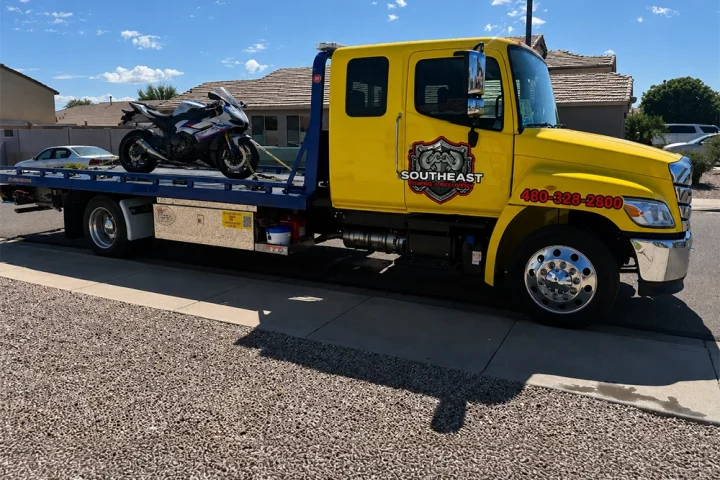
For that reason, roadside assistance towing may be more appropriate than attempting to continue driving when significant coolant loss or overheating is suspected.
Motorists considering Roadside assistance towing in Laveen can arrange transportation for a vehicle that should not be driven until its cooling system has been evaluated.
The purpose of towing in this situation is transportation, not roadside diagnosis or repair of the cooling system.
Why Is Opening a Hot Radiator Cap Dangerous?
A vehicle’s cooling system can remain pressurized after the engine has been shut off.
When the coolant is extremely hot, opening a pressurized radiator cap can release hot fluid or steam.
This creates a significant risk of serious burns.
Drivers should never remove a radiator cap or pressurized coolant reservoir cap while the system is hot.
The engine may also retain heat long after the vehicle stops, so the absence of visible steam does not mean the system is safe to open.
Attempting to inspect hot cooling-system components can introduce unnecessary injury risks.
A professional automotive technician can examine the system once appropriate safety conditions have been established.
Drivers waiting for assistance should focus on personal safety rather than attempting to identify or repair a pressurized leak.
What Information Should Drivers Provide When Requesting Towing?
Clear communication helps a towing provider understand the vehicle’s condition and transportation requirements.
A coolant-related breakdown may involve more than an engine that will not start. The vehicle could still operate briefly but have a mechanical problem that makes further driving inappropriate.
When requesting a towing service, drivers should provide information such as:
- Vehicle location: The street address, nearby intersection, parking area, or recognizable landmark.
- Vehicle description: The year, make, model, and general condition.
- Observed symptoms: Temperature warnings, steam, unusual smells, or visible fluid.
- Current operating condition: Whether the engine has stopped or the vehicle can still move normally.
- Vehicle accessibility: Whether it is parked safely or positioned near moving traffic.
- Requested destination: The repair facility or another authorized location where the car should be transported.
Drivers do not need to determine exactly which cooling-system component has failed.
A simple description such as “the temperature warning came on, coolant appears to be leaking, and the engine is now off” provides useful information without making an uncertain diagnosis.
Does a Coolant Leak Always Require Immediate Towing?
Not every suspected leak represents the same level of urgency.
For example, a small fluid spot discovered beneath a parked vehicle may require professional inspection but may not establish that the engine is currently overheating.
However, drivers should not use the apparent size of a puddle as the only basis for deciding whether to drive.
A leak may become more severe when the engine is running, and fluid may collect in areas that are not visible beneath the vehicle.
If coolant loss is confirmed, overheating symptoms have occurred, or the engine’s operating condition is uncertain, arranging transportation instead of driving may be prudent.
An automotive technician should determine whether the vehicle can safely return to service.
The goal is to avoid turning an unresolved mechanical concern into additional damage.
What Happens After an Overheated Vehicle Is Towed?
Once the vehicle reaches an appropriate repair facility, a qualified technician can evaluate the cooling system.
The inspection may include identifying the source of fluid loss, examining hoses and connections, evaluating the radiator, and checking for signs of overheating damage.
The necessary repairs depend on the findings.
Some cooling-system problems involve relatively localized component failures. Others may be associated with more extensive mechanical damage.
A tow does not resolve the leak itself, but it allows the vehicle to reach a suitable inspection location without requiring the driver to operate a potentially overheating engine.
Drivers should explain the warning signs they observed, including when the problem began and whether the vehicle lost power or displayed repeated temperature warnings.
This information can support the repair facility’s diagnostic process.
Why Might 24 Hour Towing Matter for Cooling-System Breakdowns?
Cooling-system problems do not necessarily occur during normal repair-shop hours.
A vehicle may begin overheating during an evening commute, an early-morning trip, or while traveling on a weekend.
Access to 24 hour towing gives motorists a transportation option when the vehicle cannot safely complete its trip.
However, towing availability does not automatically mean that a repair facility will be open to receive the vehicle.
Drivers should confirm the intended destination and any after-hours drop-off arrangements when possible.
For example, a motorist whose vehicle begins overheating late in the evening may need to arrange transportation to a repair facility that accepts vehicles outside its operating hours.
The towing provider can use the requested destination and vehicle details to discuss transportation arrangements.
The priority remains preventing additional engine operation when continued driving could create unnecessary risk.
What Is the Safest Decision When Coolant Is Leaking?
The safest response depends on whether the vehicle is overheating, how serious the suspected leak appears, and whether further driving could cause additional damage.
A rising temperature gauge, visible steam, substantial fluid loss, or repeated cooling-system warnings are reasons to stop driving and seek appropriate assistance.
Drivers should avoid opening pressurized cooling-system components while hot and should not assume that temporarily disappearing symptoms mean the underlying problem has been resolved.
When the engine’s condition is uncertain, professional vehicle transportation provides an alternative to risking additional damage on the road.
For motorists in Laveen, recognizing these warning signs and arranging timely assistance can help protect both vehicle occupants and the vehicle itself.
About Monkey’s Towing and Transport
Serving Laveen and neighboring Phoenix-area communities, Monkey’s Towing and Transport is a Phoenix-based, family-owned towing company whose website identifies it as licensed and insured. They provide light- and medium-duty towing, roadside assistance, and vehicle transportation for motorists facing unexpected breakdowns or planned transport needs. Drivers can reach them at (480) 617-5667 or Find their business on Google Maps for location information.
 SOLED ADEPPS