

Short answer:
• Sewage cleanup requires removing contaminated water, disinfecting affected surfaces, and drying structures to prevent mold and structural damage.
• Raw sewage carries bacteria, viruses, and parasites, so contact should be minimized and protective equipment used during any exposure.
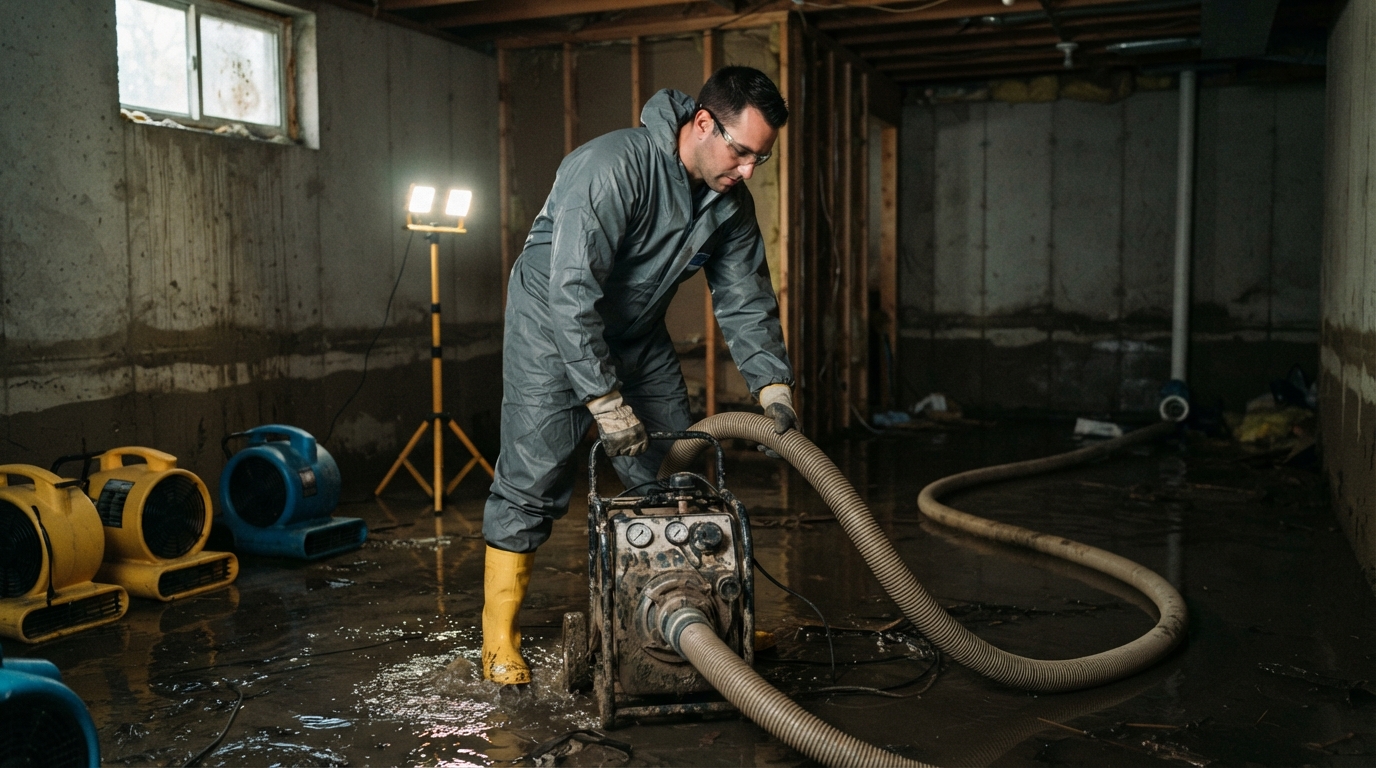
• Professional extraction and sanitizing equipment typically clears contamination faster and more thoroughly than household tools alone.
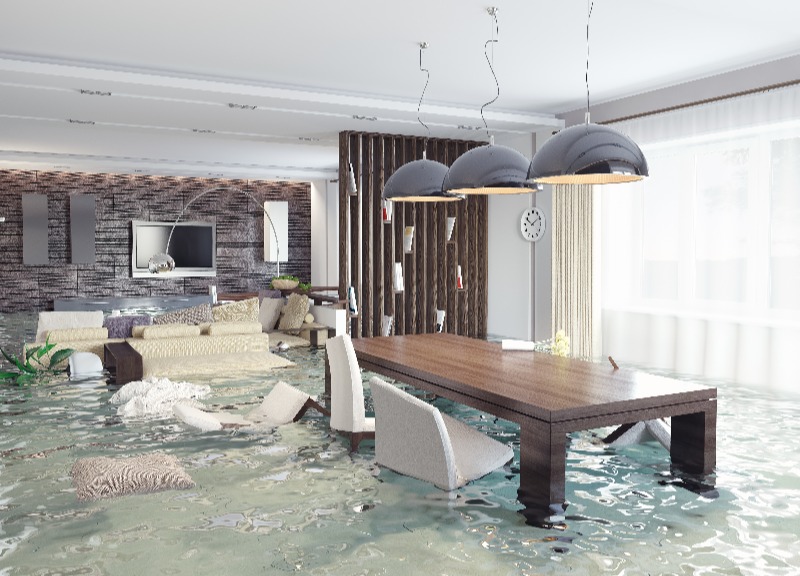
A sewage backup introduces contaminated water into a home, and the response priority is containment, extraction, and disinfection before any repairs begin. Standing wastewater carries pathogens that can affect indoor air quality and surfaces long after the visible water is gone. Visit the Parkside Restoration Official Website for more on its sewage cleanup services.
Addressing the problem quickly limits how far contamination spreads through flooring, drywall, and furnishings. Sewage cleanup typically involves pumping out standing water, removing porous materials that cannot be sanitized, and applying antimicrobial treatments to affected surfaces. Homeowners in Oak Brook, IL dealing with a backup after heavy rain or a sewer line failure often need this process completed within hours to limit damage to subfloors and wall cavities.
Why Sewage Water Poses Health Risks
Wastewater from sewer backups falls into the category water damage professionals classify as “black water,” meaning it contains contaminants that pose a health hazard upon contact. This classification affects how materials are handled during cleanup.
• Bacteria such as E. coli and salmonella are common in raw sewage.
• Parasites and viruses can survive on surfaces for extended periods.
• Porous materials like carpet padding, drywall, and insulation usually cannot be fully disinfected and require removal.
The environmental protection agency notes that moisture left behind after water damage creates conditions for mold growth within 24 to 48 hours, which compounds the health concerns already present from sewage contamination. This timeline is why rapid water removal and drying matter as much as the initial disinfection step.
Steps Involved in a Thorough Cleanup
A structured process reduces the chance that contamination or moisture gets left behind in hidden spaces.
1. Water extraction – Pumps and wet vacuums remove standing sewage before any other work begins.
2. Removal of contaminated materials – Carpet, padding, and damaged drywall that absorbed black water are typically discarded.
3. Cleaning and disinfection – Remaining hard surfaces are washed and treated with antimicrobial solutions.
4. Drying and dehumidification – Industrial air movers and dehumidifiers reduce moisture in framing and subflooring.
5. Odor control – Air scrubbers or ozone treatment address lingering smells once surfaces are dry.
Each stage depends on the one before it. Skipping extraction or drying steps allows moisture to remain trapped, which can lead to secondary mold issues even after surfaces appear clean.
DIY Response Versus Professional Equipment
Homeowners sometimes attempt to manage small spills themselves, but sewage incidents involving significant volume or affecting multiple rooms generally exceed what household equipment can safely address.
| Factor | DIY Approach | Professional Equipment |
| Extraction speed | Limited by shop-vac capacity | Truck-mounted or high-volume pumps |
| Disinfection reach | Surface-level only | Penetrates porous materials before removal |
| Drying monitoring | Visual inspection | Moisture meters track hidden dampness |
| Protective gear | Often minimal | Full PPE reduces exposure risk |
Based in Bolingbrook, IL, Parkside Restoration serves customers throughout Oak Brook, IL, with water damage restoration and sewage cleanup services supported by specialized equipment and structured response procedures. The company provides general service information for property owners comparing restoration options in the area.
Frequently Asked Questions
Is it safe to clean up sewage water without protective gear? Direct contact with raw sewage carries bacterial and viral risk, so gloves, boots, and eye protection are recommended minimums even for small spills.
How long does sewage cleanup take? Extraction and initial disinfection can often be completed within a day, though full drying of structural materials may take several additional days depending on how much moisture was absorbed.
Can carpet be saved after a sewage backup? Carpet and padding that have been saturated with black water are typically not salvageable, since full disinfection of these porous materials is not reliable.
What causes most residential sewage backups? Common causes include tree root intrusion in sewer lines, aging pipe infrastructure, and municipal system overload during heavy rainfall.
Next Steps for Homeowners
Readers comparing local restoration contacts can Find Parkside Restoration’s Business Profile on Google Maps for published service area and contact information.
 SOLED ADEPPS
 Alexander Martin