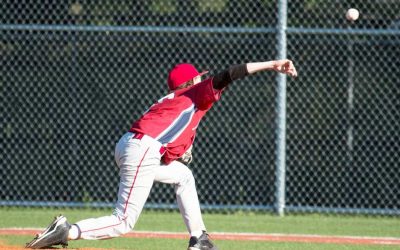
For many student-athletes, playing baseball at an Ivy League school represents the opportunity to compete at a high athletic level while receiving a world-class education. However, Ivy League baseball recruiting is often very different from traditional NCAA recruiting because coaches evaluate athletes based on both academic and athletic performance at an exceptionally high standard.
Families navigating the Ivy League baseball recruiting process quickly discover that strong statistics on the field alone are rarely enough. Coaches at Ivy League institutions look for student-athletes who demonstrate discipline, academic consistency, leadership, and long-term potential both inside and outside the classroom.
Understanding how to get recruited for Ivy League sports requires preparation, organization, and realistic expectations throughout the recruiting journey.
What Makes Ivy League Baseball Recruiting Different?
One major difference in Ivy League baseball recruiting is the balance between academics and athletics. Unlike some other NCAA programs that may focus heavily on athletic performance, Ivy League schools place significant importance on academic achievement during recruitment evaluations.
Coaches often evaluate:
- GPA and class rigor
- Standardized test scores
- Athletic performance
- Leadership qualities
- Character and discipline
- Long-term academic potential
This means student-athletes pursuing Ivy League opportunities must prepare themselves for both athletic competition and rigorous academic expectations.
Families should understand that Ivy League programs recruit student-athletes who can succeed in demanding educational environments while also contributing athletically.
Academic Performance Is a Major Factor
Strong academic performance is one of the most important aspects of the Ivy League baseball recruiting process. Ivy League schools maintain highly selective admissions standards, even for recruited athletes.
Student-athletes pursuing Ivy League opportunities are often expected to demonstrate:
- Consistently strong grades
- Advanced coursework
- Academic discipline
- Strong study habits
- Competitive standardized test scores when applicable
Coaches may work closely with admissions departments to evaluate whether athletes meet institutional academic expectations.
This means athletes interested in Ivy League sports should prioritize academics early in high school rather than waiting until recruiting begins.
Strong classroom performance can also help athletes remain competitive among other highly qualified recruits nationwide.
Athletic Talent Still Matters
Although academics are extremely important, Ivy League coaches still recruit athletes capable of competing at a high collegiate level. Baseball performance, athletic development, and long-term potential remain critical factors during evaluations.
Coaches often assess:
- Hitting consistency
- Pitching mechanics and velocity
- Defensive skills
- Baseball IQ
- Athleticism
- Competitive performance
- Coachability
Many Ivy League programs compete against strong NCAA opponents, so athletes must demonstrate the ability to perform consistently in challenging baseball environments.
Coaches are often looking for athletes who combine strong athletic tools with maturity, discipline, and academic reliability.
The Recruiting Timeline Often Starts Early
Families exploring how to get recruited for Ivy League sports should understand that recruiting timelines may begin earlier than expected.
Many coaches start evaluating athletes during freshman or sophomore year through:
- Showcase events
- Tournament participation
- Recruiting profiles
- Video evaluations
- Academic transcripts
Early preparation allows athletes to build relationships with coaches while continuing to improve academically and athletically over time.
However, recruiting timelines can vary significantly between athletes depending on development, academic standing, position needs, and program priorities.
Families should avoid comparing one athlete’s recruiting timeline to another.
Communication Plays an Important Role
Communication is a major part of the Ivy League baseball recruiting process. Coaches often look for athletes who demonstrate professionalism, maturity, and strong communication skills throughout recruitment.
Student-athletes are typically expected to:
- Send personalized emails
- Share schedules and updates
- Respond professionally
- Express genuine interest in programs
- Communicate directly with coaching staffs
Personalized communication often carries more value than generic mass emails.
Because Ivy League schools emphasize academic and personal fit alongside athletics, coaches usually want to understand the athlete’s long-term goals, educational interests, and overall character during conversations.
Recruiting Profiles and Highlight Videos Matter
Like other NCAA programs, Ivy League coaches frequently use recruiting profiles and highlight videos during evaluations.
A strong profile may include:
- Academic achievements
- Athletic statistics
- Measurable data
- Highlight videos
- Tournament schedules
- Extracurricular involvement
Highlight videos should remain concise and easy for coaches to evaluate. Coaches often prefer clear game footage that demonstrates athletic performance naturally rather than heavily edited videos.
Student-athletes navigating Ivy League recruiting may also seek guidance from a professional baseball and softball recruiting partner in the US to better understand recruiting timelines, profile development, communication strategies, and exposure opportunities.
Character and Leadership Are Important Evaluation Factors
One thing many families learn during Ivy League baseball recruiting is that coaches evaluate much more than statistics alone.
Leadership, maturity, and personal discipline often influence recruiting decisions because coaches want athletes who positively represent their programs both academically and athletically.
Coaches frequently observe:
- Body language
- Team interaction
- Coachability
- Competitive mindset
- Work ethic
- Accountability
- Response to adversity
Athletes who consistently demonstrate professionalism and leadership may stand out during evaluations.
This becomes especially important in academically rigorous environments where time management and discipline are essential for success.
Ivy League Recruiting Is Highly Competitive
Ivy League baseball recruiting is highly competitive because roster spots are limited and applicant pools are extremely strong academically and athletically.
Families should understand that successful recruiting often requires patience and long-term preparation.
Athletes who focus on steady improvement rather than short-term recruiting pressure may place themselves in stronger positions over time.
Consistent athletic development, strong academics, professional communication, and realistic expectations all contribute to successful recruiting experiences.
Final Thoughts on Ivy League Baseball Recruiting
The Ivy League baseball recruiting process requires student-athletes to balance athletic development with academic excellence. Coaches at Ivy League schools evaluate players holistically, considering not only athletic ability but also discipline, leadership, communication skills, and classroom performance.
Families who understand how to get recruited for Ivy League sports can better prepare for the expectations and timelines involved in recruitment. While the process can feel competitive and demanding, athletes who remain focused, organized, and committed to long-term development often position themselves for stronger opportunities throughout their recruiting journey.