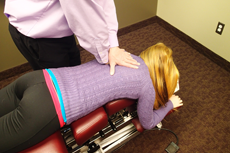




Back pain can make everyday routines feel harder than they should, commuting, sitting at a desk, carrying groceries, or getting through a workout. It’s also one of the main reasons people search for back pain relief without medication and compare options they’ve heard described as the best back pain treatments. In Buckhead, GA, two common paths often come up early: using pain medication to manage symptoms or seeking chiropractic care to address movement-related contributors.
This article explains how these approaches differ, where each may be helpful, and how to choose safer next steps based on your symptoms and goals.
Why Back Pain Often Persists or Returns
Back pain isn’t always caused by a single event. Many cases develop from a mix of factors that build up over time, such as:
- Prolonged sitting and limited movement variety
- Repetitive bending, lifting, or twisting
- Reduced hip mobility or core endurance
- Joint stiffness and protective muscle guarding
- Stress and poor sleep affecting pain sensitivity
- Old injuries that change movement patterns
Because multiple contributors can overlap, a plan that only quiets symptoms may not reduce the chance of recurrence. Many people do better when relief is paired with strategies that improve function, how the spine and surrounding joints move and tolerate daily load.
Pain Medication for Back Pain: What It Can and Can’t Do
Pain medication is often used because it can reduce discomfort enough to function. Depending on the type, medication may reduce inflammation, change how pain is perceived, or relax muscle spasm.
When pain medication may be useful
- Short-term flare-ups where pain limits normal movement
- Supporting sleep when discomfort is disrupting rest
- Temporary symptom control while you arrange an evaluation
- Situations where inflammation is a significant contributor
Limitations to keep in mind
- Medication may not change what’s driving the problem mechanically
- Symptoms can return once medication is stopped
- Side effects can occur, especially with frequent use
- It may be easier to “push through” aggravating activities and prolong irritation
For people aiming for back pain relief without medication, the goal is usually not to avoid all medication in every situation, it’s to rely less on symptom suppression and more on approaches that improve movement and reduce flare-ups over time.
Chiropractic Care: A Movement-Focused Approach
Chiropractic care is commonly used for back pain that appears connected to joint function, mobility restrictions, posture, and daily movement habits. The overall goal is often to improve how the spine and related joints move and to reduce mechanical stress that may be contributing to pain.
Chiropractic visits frequently include an evaluation of:
- Joint mobility and stiffness patterns
- Posture and movement mechanics
- Areas of tenderness or protective muscle guarding
- Daily habits that may be aggravating symptoms (workstation setup, lifting patterns, training routines)
Chiropractic care may also be paired with home guidance, such as mobility work, stability exercises, and activity modifications, because long-term change usually comes from what happens between visits, not only what happens in the clinic.
Chiropractic Care vs. Pain Medication: Key Differences
When comparing chiropractic care and pain medication, it helps to look at what each is designed to do.
Pain medication
- Primary purpose: reduce symptoms
- Typical role: short-term support
- Strength: may quickly lower pain sensitivity
- Limitation: often doesn’t address movement patterns or mechanical contributors
Chiropractic care
- Primary purpose: improve function and reduce mechanical irritation
- Typical role: evaluation + care plan that supports better movement
- Strength: targets contributors like stiffness, movement restrictions, and load tolerance
- Limitation: outcomes depend on the true cause of pain and consistency with follow-through
For many people, the most effective path isn’t strictly one approach. It may involve using symptom control strategically while building a movement-based plan designed to reduce recurrence risk.
What Patients Often Mean by “Best Back Pain Treatments”
The phrase best back pain treatments can mean different things depending on your goals. Most people aren’t looking for a single “magic” intervention, they want a plan that helps them get back to normal life with fewer repeat flare-ups.
In practical terms, “best” often means:
- Helps you move better, not just hurt less
- Improves confidence with bending, lifting, walking, and exercise
- Reduces how often pain returns
- Fits into a busy routine so it’s realistic to maintain
That’s why many back pain plans include multiple parts: evaluation, hands-on care when appropriate, and a clear home routine focused on mobility, stability, and activity pacing.
When You Should Seek Medical Evaluation Promptly
Most back pain improves with time and conservative care, but some symptoms should be evaluated quickly. Seek prompt medical attention if you have:
- Back pain after a significant fall, collision, or injury
- Fever, unexplained weight loss, or feeling ill with back pain
- New numbness, significant weakness, or loss of coordination
- Changes in bowel or bladder control
- Pain that steadily worsens rather than stabilizing
These signs don’t automatically indicate a serious issue, but they do mean it’s safer to get assessed rather than self-managing.
A Practical Next Step Plan for Buckhead Residents
If you’re deciding between medication-based symptom control and chiropractic care, a simple and safer starting framework is:
- Identify triggers: sitting duration, commuting, lifting, workouts, stress, sleep
- Reduce the trigger temporarily: adjust activity without becoming inactive
- Get a movement-based evaluation: look at mobility, joint function, and daily mechanics
- Follow a plan for progress: a mix of in-office care and at-home steps tends to be more sustainable
For people exploring local options and wanting to understand what chiropractic-focused evaluation and care planning can involve, this overview of trusted chiropractic care can serve as a helpful reference point while comparing approaches.

 SOLED ADEPPS