Sciatica is one of the most common conditions affecting the lower back and legs, especially among adults who spend long hours sitting, lifting, commuting, or performing repetitive movements. The discomfort can range from mild tingling to severe pain that affects walking, standing, sleeping, and overall mobility.
For many people in New York, NY, daily routines place continuous stress on the lower spine. Long office hours, physical labor, poor posture, and limited movement can all contribute to spinal issues that irritate the sciatic nerve.
As more individuals seek non-surgical approaches to pain management, chiropractic therapy and spinal decompression therapy have gained attention for their role in supporting spinal health and mobility. A sciatica chiropractor often focuses on identifying the underlying causes of nerve irritation while helping patients improve movement and reduce physical stress on the spine.
Understanding the Sciatic Nerve
The sciatic nerve is the largest nerve in the body. It begins in the lower spine and travels through the hips, buttocks, and down each leg. When this nerve becomes compressed or irritated, sciatica symptoms can develop.
Common symptoms include:
- Sharp lower back pain
- Pain radiating down one leg
- Tingling sensations
- Burning discomfort
- Muscle weakness
- Numbness
- Pain that worsens when sitting
Sciatica itself is not usually considered a standalone condition. Instead, it is often a symptom of another spinal issue affecting the lower back.
Common Causes of Sciatica
Several spinal and musculoskeletal conditions may contribute to sciatic nerve irritation.
Herniated or Bulging Discs
One of the most common causes of sciatica is a herniated disc. Spinal discs act as cushions between the vertebrae. When a disc shifts or bulges outward, it may place pressure on nearby nerves, including the sciatic nerve.
Disc-related issues are especially common among adults with physically demanding jobs or prolonged sitting habits.
Spinal Misalignment
Poor spinal alignment can alter how pressure is distributed throughout the lower back and pelvis. Misalignment may contribute to muscle imbalance, joint stress, and nerve irritation over time.
A sciatica chiropractor often evaluates spinal mechanics and posture to identify movement patterns that may contribute to discomfort.
Degenerative Changes
As people age, spinal discs and joints naturally experience wear and tear. Conditions such as degenerative disc disease or spinal stenosis may narrow spaces around the nerves, increasing the risk of sciatic symptoms.
Muscle Tightness and Piriformis Syndrome
In some cases, tight muscles within the hips and glutes may irritate the sciatic nerve. The piriformis muscle, located deep in the buttock region, can compress the nerve when inflamed or tight.
This type of sciatic discomfort is often associated with prolonged sitting, repetitive activity, or muscular imbalance.
How Chiropractic Therapy May Help
Chiropractic therapy focuses on improving spinal function, mobility, and alignment. Rather than simply masking symptoms, chiropractic care often aims to address structural and mechanical factors contributing to sciatic irritation.
A chiropractor may evaluate:
- Spinal alignment
- Joint mobility
- Posture
- Muscle tension
- Movement mechanics
- Nerve involvement
After assessing the patient’s condition, a care plan may include chiropractic adjustments, mobility work, stretching recommendations, and supportive therapies designed to reduce pressure on affected nerves.
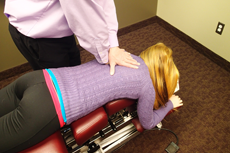
Chiropractic adjustments are controlled movements applied to spinal joints with the goal of improving motion and reducing restrictions.
Potential benefits of chiropractic therapy may include:
- Improved flexibility
- Reduced joint tension
- Better posture
- Enhanced spinal mobility
- Reduced nerve irritation
- Improved movement patterns
Many individuals searching for a sciatica chiropractor are interested in conservative care options that support recovery while helping them remain active.
The Role of Spinal Decompression Therapy
Spinal decompression therapy is another non-surgical approach commonly used for disc-related lower back conditions.
This therapy involves gentle stretching techniques designed to reduce pressure on spinal discs and surrounding nerves. The goal is often to create space within the spine that may help relieve compression affecting the sciatic nerve.
Spinal decompression therapy is frequently discussed in relation to:
- Herniated discs
- Bulging discs
- Chronic lower back pain
- Degenerative disc conditions
- Sciatic nerve discomfort
Many individuals in New York, NY seek spinal decompression therapy as part of a broader wellness and rehabilitation plan focused on restoring mobility and reducing recurring pain episodes.
A provider offering chiropractic therapy may combine decompression techniques with posture correction, rehabilitation exercises, and soft tissue work depending on the individual’s needs.
Lifestyle Factors That Can Worsen Sciatica
Modern lifestyles often contribute to recurring lower back stress and sciatic irritation.
Some common contributing habits include:
- Sitting for extended periods
- Poor workstation ergonomics
- Lack of physical activity
- Heavy lifting with improper form
- Limited flexibility
- Weak core muscles
In fast-paced cities like New York City, many professionals spend hours commuting or working at desks, which may increase pressure on the lumbar spine.
Over time, these repetitive habits can contribute to inflammation, muscle tightness, and reduced spinal mobility.
Long-Term Management and Mobility Support
Managing sciatica often involves more than short-term symptom relief. Long-term spinal health typically requires ongoing attention to posture, movement, flexibility, and recovery habits.
Individuals experiencing recurring sciatic discomfort may benefit from:
- Ergonomic adjustments
- Regular movement breaks
- Stretching routines
- Strengthening exercises
- Mobility-focused therapies
- Postural awareness
Working with a licensed chiropractic partner in New York, NY may help individuals better understand the structural and lifestyle factors contributing to sciatic nerve irritation.
Supportive chiropractic care and spinal decompression therapy are often integrated into broader wellness strategies focused on movement restoration and spinal balance.
Final Thoughts
Sciatica can significantly impact daily comfort, movement, and overall quality of life. Whether symptoms are linked to disc issues, spinal misalignment, muscle tension, or degenerative changes, identifying the underlying cause is an important part of long-term management.
A sciatica chiropractor may help evaluate spinal function and support mobility through chiropractic therapy and spinal decompression therapy techniques designed to reduce stress on the lower back and surrounding nerves.
As more individuals in New York, NY explore conservative care options for lower back pain and sciatic discomfort, chiropractic-focused approaches continue to play an important role in supporting spinal health, flexibility, and functional movement.